Some days, it feels like one week just slips quietly into the next. You wake up, tackle the same chores, answer work calls, cook the usual meals, and before you know it, Sunday evening is here again. If you’ve noticed this sameness weighing on your mind, you’re not alone. Many families quietly deal with weeks that blend together, especially when routines get stretched and there’s little to look forward to. That said, it is possible to bring a little closure and gentle structure to your days—even when life feels like a long, continuous loop.
Why Closure Matters in the Everyday Flow
Closure isn’t just for big events or major life changes. Your mind needs small markers to feel a sense of progress—something to gently close one chapter before starting the next, even if it’s just the end of a workday or finishing the week’s laundry. Without these, emotional fatigue tends to build up quietly, leaving you feeling restless or unsatisfied, even if you’re "doing everything right."
In many Indian homes these days, especially with work-from-home or hybrid schedules, the line between weekdays and weekends has faded. It’s not unusual for office work to spill over into Saturday afternoons, or for chores to stretch late into the night. Here’s the tricky part: when there’s no pause or marker, your brain doesn’t get a chance to reset. Over time, this can make you feel as if you’re running on a treadmill with no stop button.
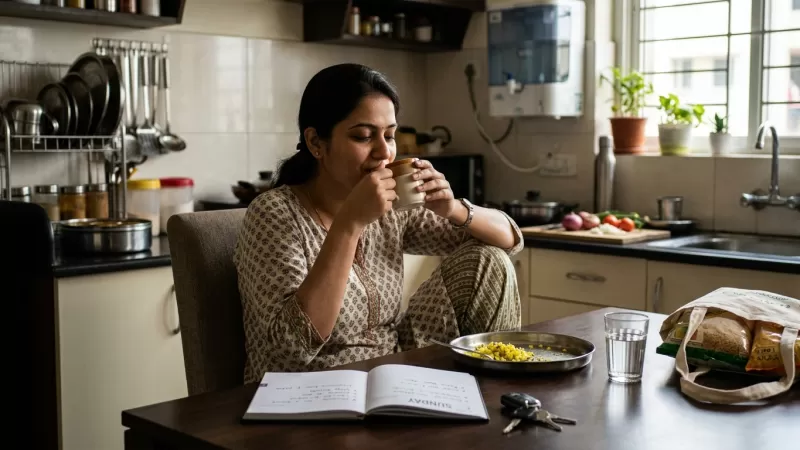
Closure doesn’t have to be dramatic. Often, it’s about little rituals—something as simple as lighting a diya at dusk, or sitting with a cup of chai to mark the end of the day. These moments create mental signposts, helping you feel that, yes, something is finished, and it’s okay to move on.
Recognizing When Weeks Start Blending Together
It’s easy to ignore the early signs of emotional fatigue. You may notice it as a sense of dullness or a lack of enthusiasm about things you usually like. Sometimes, it shows up as irritability over small matters—maybe you snap at a family member for leaving shoes in the wrong place, or you feel restless during your afternoon nap.
Another sign is forgetting what day it is or struggling to recall when you last took a proper break just for yourself. You might find yourself thinking, “Wasn’t it just Monday?” or “Did I actually get anything done this week?” These thoughts are more common than you’d think, especially during long stretches of routine without clear milestones.
Accepting that this is happening is the first step towards change. There’s nothing wrong with you—it’s just the way our minds work when we’re caught in a loop. In fact, many people in joint families or those managing a household alone feel this at some point, especially in busy or uncertain seasons.
Simple Daily Rituals That Offer Closure
Creating closure doesn’t have to mean adding big new tasks to your already full day. Small, familiar rituals work best because you’re more likely to stick with them. In Indian homes, these often fit naturally into the flow of things:
- Evening diya or incense: Lighting a lamp or agarbatti at sunset is a quiet way to mark the end of daytime chores and transition into evening.
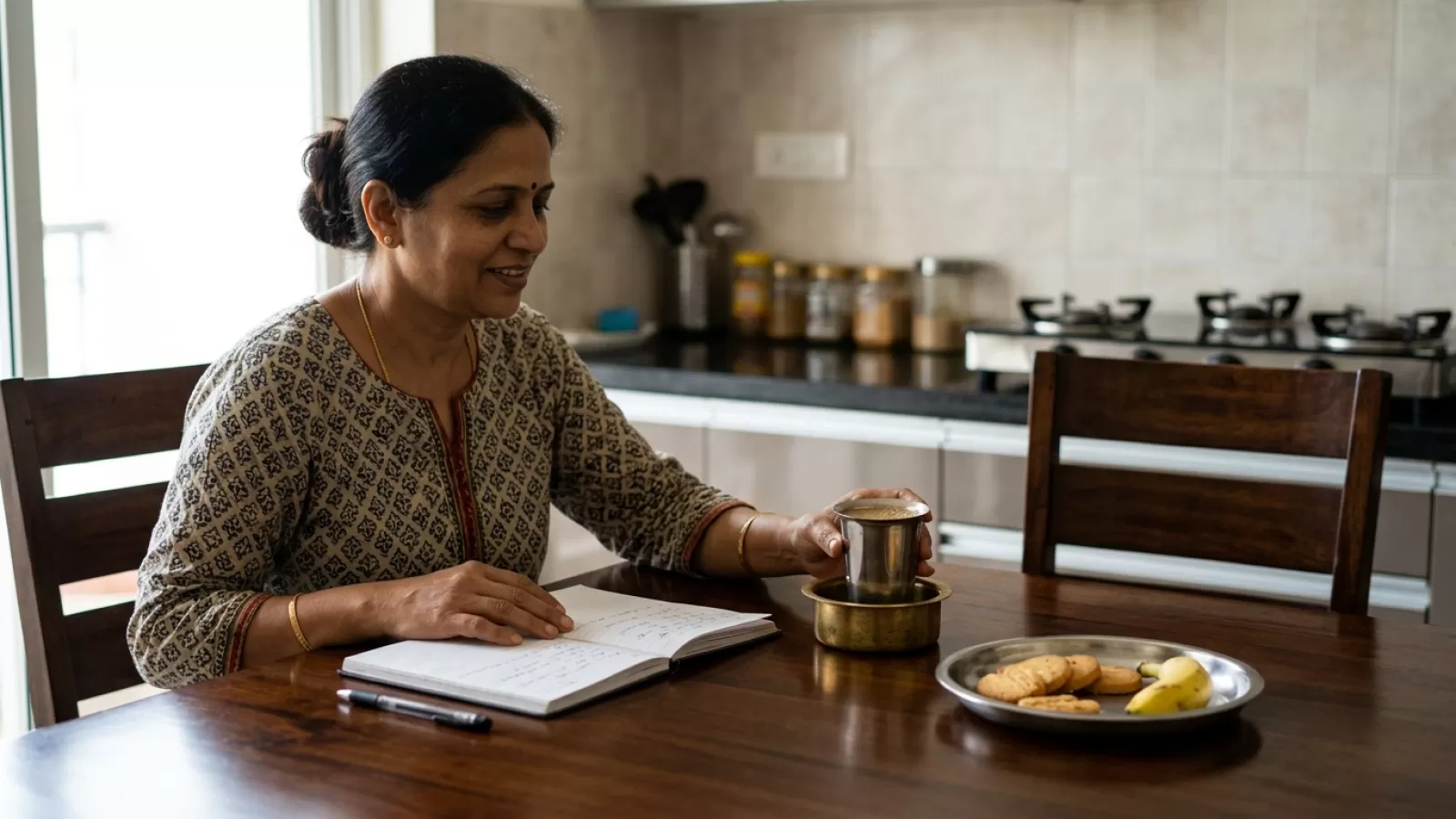
- Evening chai break: Sitting down, even for five minutes, with a cup of tea (and maybe a Marie biscuit) signals that work is done for now.
- Family meal or prayer: Sharing dinner together, or reciting a short prayer as a group, can bring a sense of togetherness and closure to the day.
The key is consistency, not perfection. If you miss a day, it’s fine. The idea is to gently train your mind to recognize when one part of the day has ended—however ordinary it may seem.
Weekly Markers: Creating Mini Milestones
While daily rituals help, weekly markers provide bigger signposts. Many families used to have clear weekend plans—visiting relatives, going to the market, or watching a Sunday movie. In recent years, those things often take a back seat, or the lines blur because life is busy.
That said, you can still build gentle weekly closures into your flow, even without grand plans. Some ideas that work for many homes:
- Friday night treat: Making something slightly special for dinner—maybe homemade pav bhaji or ordering a small sweet—can signal week’s end.
- Weekly cleaning: Finishing up laundry or changing bedsheets on a set day. The fresh smell and tidy room brings a mental “reset.”
- Family catch-up: A simple 10-minute chat about everyone’s week—sharing one good thing and one challenge—helps everyone notice the week’s end.
Sometimes, even watching a favorite TV serial on a particular day can become a marker. It doesn’t have to be elaborate; it just needs to feel a bit different from the rest of the week.
Using Food as a Gentle Marker
Food is a big part of how we mark time in India. The Sunday special lunch, the festival sweets, or even the humble khichdi night when you’re tired—these are all ways families have naturally created closure and rhythm.
When weeks start blending together, consider:
- Rotating menus: Assigning certain foods to certain days—like dal-rice Mondays or paratha Sundays—creates small anchors in your week.
- Festival or seasonal touches: Adding a simple kheer or making pakoras when it rains brings a sense of occasion, even on regular days.
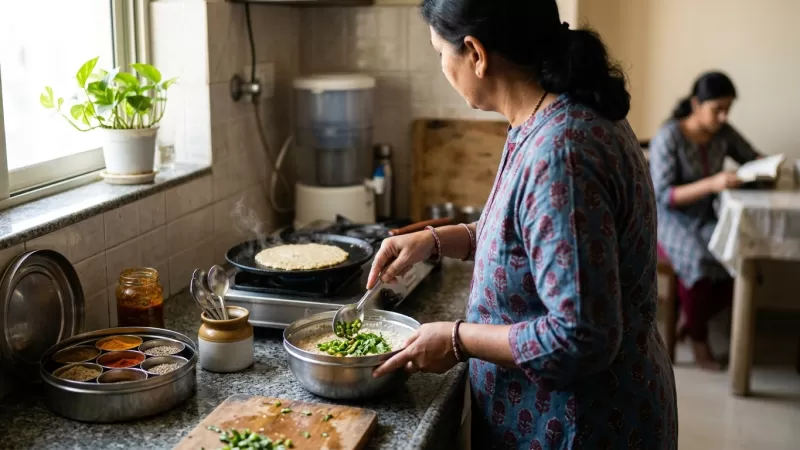
- Meal prep as closure: Finishing the week’s vegetable chopping or spice grinding on a set day (often Sunday mornings in many homes) can bring a satisfying sense of completion.
It’s not about fancy meals. Even a basic meal can become a marker if you pause to notice it, perhaps sitting together or saying “this is our Friday dinner.”
Personal Pause Points – Just for You
Even if you’re managing a busy household or juggling work and home, it’s important to have a personal pause—something just for you, however small. Many homemakers and working professionals feel guilty taking even a few minutes for themselves, but these small pauses are what help prevent emotional fatigue from building up.
Some practical ideas, which don’t require big changes:
- Short walks: A ten-minute stroll in your lane, terrace, or even on the balcony—preferably at the same time each day—becomes a quiet closure to part of your day.
- Music time: Listening to a favorite song after finishing your main chore or work task signals that you’re switching gears.
- Night-time routine: Simple actions like applying coconut oil to your feet or reading a page of a book before bed can tell your mind, “Today is done.”
The point isn’t to add pressure; it’s to offer your mind a small, familiar signal that one phase is over and rest is allowed.
Making Room for Small Celebrations
In many Indian families, celebrations aren’t just for big festivals. Small, everyday joys—like a child finishing an exam, a loved one’s birthday, or even the first rain after summer—are often marked with something special.
When weeks blend together, these tiny celebrations become even more important. You don’t need elaborate decorations or a big gathering. Sometimes, a simple “congratulations” or sharing a sweet is enough to make a moment stand out.
- Light a diya for good news, even if it’s small.
- Make a favorite sabzi or snack when someone has had a hard week.
- Send a quick message or phone call to a friend or relative just to share a laugh.
These small acts remind us that life has milestones, even in the middle of ordinary stretches. They add a little color to days that might otherwise feel dull.
When Routines Feel Heavy: Adjusting with Kindness
Let’s be honest—some weeks, even the smallest rituals feel like too much. Maybe you’re recovering from illness, dealing with family stress, or just tired from the summer heat. It’s okay. Routines are meant to help, not to make you feel trapped or guilty.
If you’re feeling stuck, try softening your routines instead of dropping them entirely. For example, instead of skipping your evening chai, make it a little simpler—just hot water with a slice of ginger, if that’s all you have energy for. Or, swap your usual cleaning day for a quick tidy-up and promise yourself a proper reset next week.
The main thing is to allow yourself flexibility. Closure doesn’t mean perfection. Even a small act—a whispered prayer, a glance at the sky, a moment of sitting with your thoughts—can be enough.
One gentle opinion: Forcing yourself to stick to routines rigidly often backfires. Give yourself permission to rest and adapt. The idea is to support your mind and spirit, not to add another chore to your list.
Staying Connected: Sharing Markers with Family and Friends
Closure and milestones feel richer when they’re shared. In many homes, even a small group chat or a quick phone call on a Sunday can help mark the week’s end. If you live alone, connecting with friends or neighbors, even briefly, can help anchor your days.
Try sharing your small rituals—a recipe, a tip for cleaning, or a photo of your evening diya. You might be surprised how many others are quietly searching for the same sense of rhythm and closure. It’s comforting to know you’re not the only one trying to make sense of the weeks as they pass.
And sometimes, just talking about how the days are blending together is enough to make them feel a bit more distinct. After all, you’re living real life, not a perfectly organized calendar.
If nothing else, remember this: Even in the middle of routine, your days matter. Each one has its own small ending, and with a few gentle markers, you can help your mind notice and appreciate them.