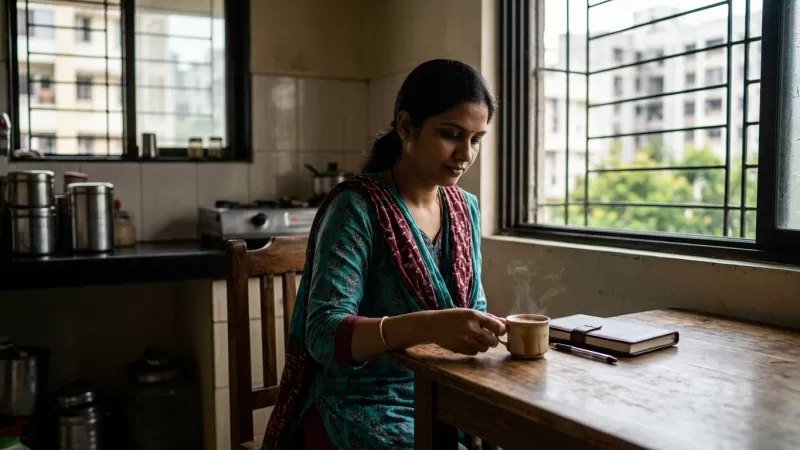
Almost everyone in an Indian household has felt it: that odd sense of being stuck in a loop, doing the same chores day after day. Whether it’s making chai before sunrise, wiping down kitchen counters, or folding laundry while listening to the same serial on TV, these routines are reliable but can sometimes drain your mental energy. If lately you’ve found yourself feeling tired even before breakfast, you’re not alone. Many families quietly deal with this. The good news is, there are very simple changes you can bring in—nothing drastic—to make your daily rhythm feel a bit more alive, even if your chores stay the same.
Why Chores Start to Feel Like a Burden
For most people, household work isn’t just about effort—it’s the repetition that wears you down. You know exactly where the broom is kept, how much oil goes in the tadka, and which child will leave socks on the sofa. Patterns can be comforting, but too much sameness can start to feel heavy, especially after years of doing it.
It’s not always the physical work that exhausts you. It’s the mental fog from knowing what’s coming, every single day. There’s a certain dullness that creeps in, so even a small break in routine feels like a breath of fresh air. It’s completely normal to feel like this now and then. Even those who look very organized on the outside find it hard to stay enthusiastic about the fifteenth load of laundry.
Here’s the catch: Chores themselves are necessary. The trick is to lighten your mind, not just your workload.
Small Tweaks That Change the Mood
Sometimes, a tiny shift in how you do things can refresh your whole morning. You don’t need brand-new gadgets or a big household overhaul. Instead, try making very small adjustments:
- Switch your sequence: If you always sweep before breakfast, try swapping with another task for a week. The change, though minor, often feels like a mental reset.
- Change your environment: Open a different window, play a bhajan or a soft old song, or place a fresh flower near your workspace. Scent and sound do affect mood.
- Set a timer: Give yourself a 10-minute limit for one task, just to see how it feels. Sometimes, a playful challenge lightens the job.
You’ll notice that even these simple actions can give a new feel to your regular chores, especially if you allow yourself to experiment now and then.
The Power of Mini-Breaks (Even Tiny Ones)
There’s a common idea that you need a long holiday or hours of rest to feel refreshed. In truth, two minutes of stepping onto the balcony and watching the sky can do wonders. Many homemakers, especially seniors, rarely pause between chores, thinking the job will never get done.
But the mind works better with breaks, even very short ones. After cleaning the kitchen, just sitting down and sipping water can help. Call it a pause—don’t call it laziness. It’s not about escaping work, but about giving your brain a moment to breathe.
- Stretch your arms or legs for a minute.
- Look out of a window, even if the view is just your neighbour’s clothesline.
- Sit quietly with your eyes closed—no TV, no phone.
Small rests like these work quietly in the background, making the next round of chores less tiring.
Making Space for a Personal Ritual
In many Indian homes, personal time is treated as a luxury, especially for women. But even a simple personal ritual—a cup of masala chai alone, a short prayer, or five minutes with your favourite magazine—can break the spell of monotony.
If you’re a busy professional working from home, this could mean stepping away from your laptop and just watering the plants, or even chatting with a neighbour for a few minutes. The point is to have a small daily routine that’s only for you, not attached to work or family demands.
Over time, these rituals become a mental anchor. They remind you that you’re more than just your to-do list, even on the busiest days.
Bringing Freshness to Old Routines
Chores like kneading atta, chopping vegetables, or folding clothes don’t seem to change. But you can bring some freshness by pairing them with something enjoyable. For example, many people listen to light music, podcasts, or even a cricket commentary while doing repetitive tasks.
You could also try a bit of creativity:
- Experiment with a new sabzi or spice blend once a week, just for fun.
- Arrange your kitchen shelf differently, or try a new way to fold the clothes.
- Invite a family member to join you and turn it into a chat session, especially during festival cleaning.
The main thing is to break the expectation that every day’s work must be exactly like yesterday’s. Even a tiny change can give a sense of freshness to the day.
Sharing the Load (When Possible)
This one can be tricky, especially in homes with fixed routines and clear roles. But sometimes, simply asking for help—without guilt or frustration—can make a difference. It’s not about dividing everything 50-50; sometimes, just having someone sit with you while you work can make chores feel lighter.
Children can help with small tasks, like watering plants or setting the table. Seniors in the family may enjoy peeling peas or sorting vegetables. Even a spouse who’s tired after work can pitch in occasionally; it’s more about the spirit than the quantity of help.
Of course, not every home will find this easy. Some families have long-standing patterns that are hard to change. That’s okay. Gentle, practical sharing can start small, and even small changes often feel meaningful.
Accepting Imperfection
Let’s be honest: Some days, you’ll just not feel like doing the chores. The kitchen may stay a bit messy, or the laundry basket might overflow. It’s normal. Most households have a few days every month when things fall behind, especially during festival seasons or when someone is unwell.
The urge to keep everything perfect can drain your joy. Often, giving yourself permission to leave a chore unfinished for a while is the break your mind needs. It’s not a sign of laziness; it’s a sign of being human.
Try to remember—nobody’s house is spotless all the time, no matter what social media shows. You’re doing enough.
When Routine Brings Comfort
While breaking monotony is helpful, sometimes the old routines are the very thing that keep us steady, especially during stressful times. Many people find peace in the familiar rhythm of mornings—making tea, opening the doors to let in fresh air, or feeding the birds.
If you find comfort in these steady patterns, there’s no need to force change. Monotony isn’t always bad. It can be a soft background beat that gives shape to your day, especially when life outside feels unpredictable.
That said, when you start feeling restless or low, it’s a gentle sign that your mind wants a little variety. Listen to it, but don’t be harsh with yourself. Some days will be ordinary, and that’s perfectly okay.
Wrapping Up: Simple Steps, Real Relief
Breaking the monotony of daily chores doesn’t always mean overhauling your entire routine. Usually it’s about allowing tiny changes, giving yourself small pauses, and letting go of the pressure to do everything perfectly. Whether it’s a new song in the kitchen, a five-minute balcony break, or sharing a task with someone, each small step can keep your mind feeling fresher.
Your home will still run, the dal will still get cooked, and the chores will be waiting tomorrow. But maybe, with these gentle changes, your days will start to feel a little lighter—and a little more your own.