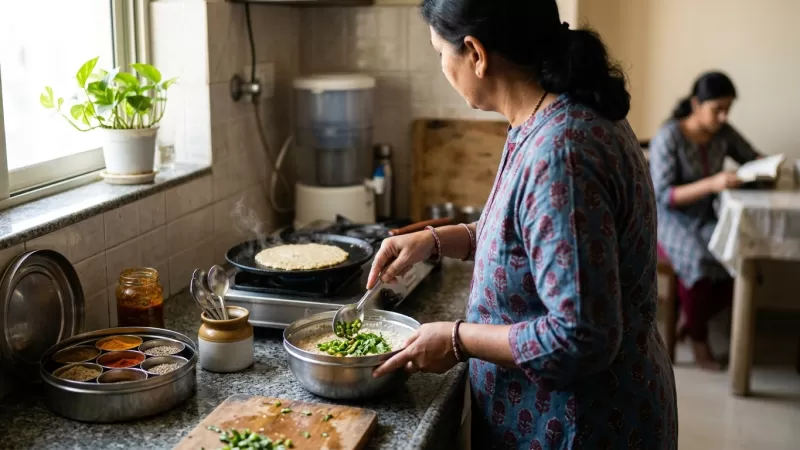
Most Indian families know what it’s like to spend weekends in a flurry of activity—groceries at the sabzi mandi, bills to pay, errands at the bank, kids’ classes, maybe some house repairs, or a family gathering that leaves you more tired than refreshed. By Sunday night, there’s barely any time to catch your breath before the week starts again. It’s a pattern that can quietly wear you down, both in body and mind. And yet, you probably feel like there’s no other way—after all, when else will you get things done?
Why Weekends Never Feel Like Breaks Anymore
These days, weekends in many Indian homes look almost as busy as weekdays. With both partners working in some families, or older parents needing help, the two days that should feel restful turn into a never-ending to-do list. If you’ve ever lain in bed Sunday night, your legs aching and mind buzzing, you’re not alone.
Part of the problem is that everything gets squeezed into those two days. School runs and office work dominate Monday to Friday, so all the “other” tasks—shopping for vegetables, doctor appointments, last-minute repairs—pile up for the weekend. What gets pushed aside? Real rest.
Here’s the catch: Rest isn’t just about sleeping in. It’s about having even a couple of hours where you don’t have to do anything, answer anyone, or rush somewhere. Many quietly long for this, but don’t know where to start.
Spotting the Hidden Drains on Your Weekend
Sometimes, the weekend slips away not because of big events, but small, unnoticed time drains. You plan to go to the market “quickly,” but traffic, crowds, and waiting in line stretch it out. Then there are surprise guests, last-minute family requests, or the temptation to finish just one more chore.
Some common hidden drains:
- Unplanned trips to the market for forgotten items
- Waiting for home deliveries or repair people who never show up on time
- Saying yes to every family request, even when you’re tired
- Scrolling on your phone and losing track of time
Recognizing these patterns is the first step. It’s not about blaming yourself, but noticing where your time actually goes.
Simple Planning Shifts That Actually Work
Here’s something many don’t realize: a few small planning changes can free up more rest time than you expect. You don’t need fancy apps or complicated routines—just a little thought a day or two before the weekend starts.
Try these gentle shifts:
- Group errands by location. Instead of three separate trips, try to combine tasks in the same area. For example, if you’re going to the main market, finish all nearby tasks in one go.
- Choose one "big errand" per day. If possible, do your bank work on Saturday and market shopping on Sunday—not both on the same day.
- Keep a running list during the week. Stick a notepad or phone note for items needed, so you don’t forget things and have to go back out.
It may sound too simple, but you’ll probably notice a difference within a couple of weekends.
Protecting Your "Rest Block" Like an Appointment
In many homes, rest is the first thing to be sacrificed. Most of us wouldn’t dream of missing a doctor’s appointment, but we often skip the time we set aside for ourselves. One idea that works: treat your rest time as a real appointment.
Pick a two-hour window on Saturday or Sunday (maybe after lunch, or before evening tea). Mark it on the family calendar or just say it out loud, “This time is for rest.” Let family know you won’t be available for errands or long phone calls during this slot.
It feels strange at first. But after a few weekends, you might find that others in your home start to respect it too. You’ll be surprised how even a small, protected break can help you feel more like yourself.
Delegation Isn’t Always Easy—But It Helps
Not everyone has help at home, but even in small families, there are usually tasks that can be shared. Kids can be sent on small errands (like picking up bread from the local shop). Elderly parents can help make a shopping list. Spouses can split up appointments or household tasks.
Here’s the tricky part: Many people, especially homemakers, feel guilty asking for help or worry things won’t be done “properly.” But, honestly, a little imperfection is okay if it gives you a real break. The house may not be spotless, or you might get a different brand of dal—but some rest is worth it.
Sometimes, you just have to ask. Or let go, just a bit.
Making Errands Less Tiring (and Maybe More Fun)
Some errands can’t be avoided, but you can try to make them less draining. Go early in the morning when markets are less crowded, or late evening when it’s cooler, especially during summer. Carry your own water bottle and maybe a light snack—standing in line on an empty stomach is no fun.
If you’re able, bring someone along and use the time to chat. Sometimes, turning a chore into a shared activity with a family member can make it feel less like a burden. Or, if you prefer, listen to music or a podcast while waiting.
It won’t turn errands into a holiday, but these small touches can make things feel lighter.
Building Tiny Rituals of Rest at Home
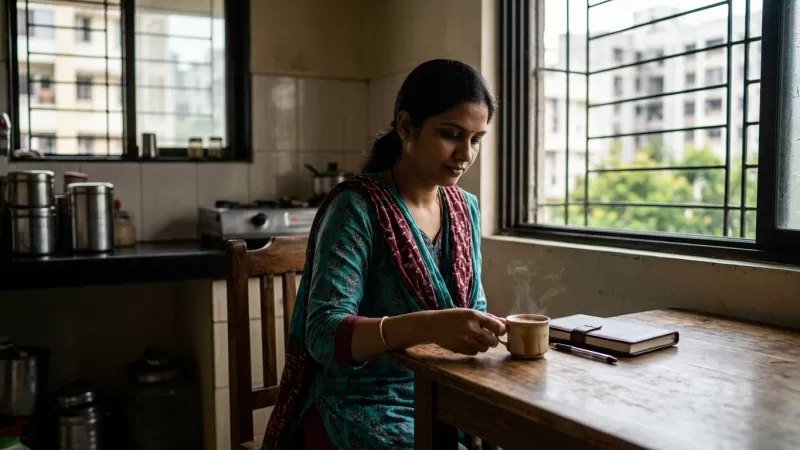
Rest doesn’t always mean a long nap or hours with your feet up. Even short rituals can help. Try a cup of chai on the balcony in the evening, five minutes with your favourite music, or reading a few pages of a book. Some find washing their face or changing into loose clothes after returning from errands helps signal their body it’s time to wind down.
It might sound small, but these mini-breaks add up. Over time, they become signals to your mind and body that it’s okay to pause—even on busy days.
And yes, sometimes you’ll be interrupted. That’s okay too.
When Guilt Creeps In—Remember What’s Really Important
Many people, especially those who manage homes, feel guilty taking a break. There’s always something more to do, someone else to help. But here’s a gentle reminder: Rest isn’t selfish. It’s what keeps you going for the rest of the week.
If you’re feeling uneasy about taking a rest block, remind yourself that you’re not just doing it for yourself. You’re also showing your family that it’s normal—and important—to care for your own well-being. In the long run, this small shift can make the home a calmer, kinder place.
Truthfully, most families don’t talk about this directly. But everyone feels the difference when someone in the house is less stressed and more present.
Start Small—And Notice What Changes
No one expects you to overhaul your weekends in one shot. Just try one new idea at a time. Maybe you combine two errands, or guard one hour for yourself. Maybe you let someone else take over a small task, even if it’s not perfect.
The real change comes from noticing how you feel. If Monday morning feels a bit less heavy, you’re already on the right track.
And if one weekend slips by, don’t worry. There’s always another chance to try again. That’s the real comfort of home life—the chance to begin anew, one small rest at a time.