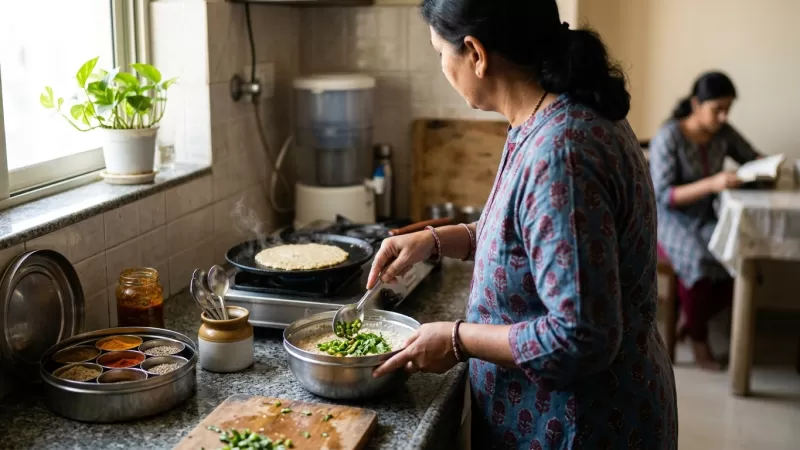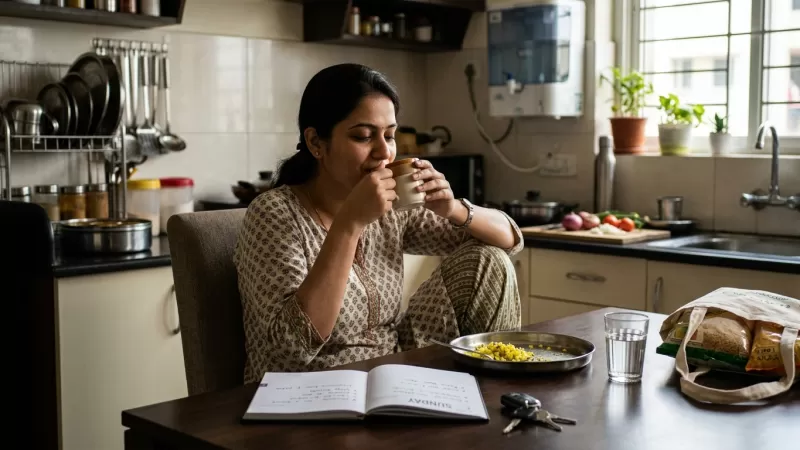
Most families across India know this feeling: you wake up, get through breakfast, send everyone off, start your own work, and by evening, it’s the same meals, the same chores, and the same tired faces. Weekdays can start to feel almost copy-pasted. There’s comfort in routine, but after a while, it can leave you feeling oddly empty—like you’re living life on repeat and not really enjoying it. If you’ve found yourself wondering, “Is this all there is?”—you’re definitely not alone. Many homes, whether big or small, quietly deal with the mental drain of monotony. The good news is, gentle changes in how you pace your day can make a real difference, even if you can’t skip your responsibilities.
Why Repetitive Routines Start to Feel So Heavy
Routines are supposed to make life easier. They help us get things done without overthinking, and in busy Indian homes, they’re almost essential. But when every day starts blurring into the next, it doesn’t take long before you feel dull, restless, or even a bit irritable. There’s a certain comfort in knowing what comes next—parathas on Monday, dal-chawal on Tuesday, laundry on Wednesday—but after months or years, the predictability can become exhausting in its own way.
Here’s the catch: most of us can’t just drop everything and go on vacation. There are tiffins to pack, bills to pay, and elderly parents to look after. That said, it’s possible to gently refresh your day-to-day life without throwing your whole schedule out the window.
Small tweaks to the way you move through your day can help your mind feel more awake, even if your responsibilities don’t actually change much. Sometimes, it’s not about doing less but about doing things a little differently.
The Power of Mindful Pacing (Not Rushing or Slowing, But Noticing)
Mindful pacing isn’t about doing things slower or faster. It’s about noticing what’s happening as you do it. That might sound a bit vague, but it really just means being present, even for a few minutes, during your daily tasks.
For example, when you’re making chai in the evening, try to actually watch the bubbles rise or breathe in the smell of ginger and cardamom instead of rushing through it. Even folding clothes, if you pay attention to the feel of the fabric or the quiet in the room, can give your mind a mini-break from autopilot.
These tiny moments of awareness add up. They offer a gentle pause in an otherwise predictable day—and over time, they help you feel more connected to your own life, not just swept along by it.
Simple Ways to Break the Monotony (Without Disrupting Everything)
Most people assume that to feel refreshed, you need a big change: a new job, a new hobby, or a new house. In reality, it’s the small, almost unnoticeable shifts that can bring unexpected lightness to your weekdays.
- Change your breakfast or tea spot. If you usually eat at the dining table, try sitting on the balcony, in the living room, or even near a sunny window for a change of view.
- Switch up your walking route. If you go for morning or evening walks, take a different path. Even a small detour can make familiar surroundings feel interesting again.
- Rotate your playlist or TV shows. Many homes play the same devotional songs, FM stations, or serials every day. Try swapping in something new once a week—an old song, a comedy video, or even bird sounds.
It’s surprising how a simple change of scenery or sound can interrupt the feeling of endless repetition.
The Role of Mini-Breaks: Realistic Ways to Pause
Long breaks or spa days sound wonderful, but they’re not practical for most people juggling work, meals, and family. Instead, try building in very short pauses—just a few minutes—between tasks. You don’t have to meditate or do yoga unless you want to. Even a slow stretch, a glass of water on the terrace, or a quiet sit with your eyes closed can help reset your mind.
You’ve probably noticed that after a short pause, chores feel a bit easier and conversations at home become less snappy. It’s not magic—just a brief chance for your brain to catch its breath.
- Set a cup of tea aside for yourself before the household rush begins.
- Step outside for fresh air after finishing a big kitchen task.
- If you read the newspaper, try doing it alone for five minutes, without interruptions.
These mini-breaks may not seem like much, but they often make the difference between feeling burnt out and feeling steady, especially during long weeks.
Mixing Up Household Routines (Without Extra Stress)
Not everyone has the freedom to change their entire household schedule, especially in joint families or homes with young kids. But even in such setups, a few tweaks can help. For example, if you usually cook alone, try inviting someone to chop or stir, even if it’s just for company.
If everyone eats together, swap seats for a day. Or, if you always watch TV after dinner, try switching to a card game or a chat—just once in a while. Small changes can spark new conversations or laughter, and they help break the invisible wall of sameness.
Here’s a thought: sometimes, it’s okay to skip a non-essential chore for a day. The world won’t end if the beds aren’t perfectly made every morning or the balcony isn’t swept on Wednesday. Allowing yourself these small mercies takes off some pressure, which is often half the battle.
Bringing Gentle Variety to Meals
Many Indian homes have a set meal pattern—sabzi-roti for lunch, dal-chawal for dinner, and a rotating list of sides. While it’s comfortable, it can get dull. Adding a little variety doesn’t mean complicated recipes or exotic ingredients. Sometimes, it’s about simple swaps or playful additions.
- Try a new sabzi once a week—maybe something from a different region, like Bengali aloo posto or Maharashtrian zunka.
- Bring in a seasonal touch—raw mangoes in summer, sweet potatoes in winter, or peas in the monsoon.
- Let someone else pick the menu for a day, even kids or elders. Their choices might surprise you.
Even changing the order—having rice for lunch and roti for dinner, just for fun—can make routine meals feel a bit more interesting. You might find that these little shifts make everyone look forward to mealtimes again.
Letting Go of Perfection—The Hidden Key
One reason routines become so draining is the constant effort to “do things right.” Perfectly timed meals, spotless homes, everyone’s needs met—it’s a lot to keep up with, especially on weekdays. Over time, this need for perfection can make you feel trapped in your own schedule.
It’s worth remembering: nobody’s routine is flawless, no matter how it looks from the outside. Allowing yourself small imperfections—late dinner, skipped ironing, a missed WhatsApp reply—gives you breathing space. Families adjust, and kids learn that it’s okay if everything isn’t always just so.
This gentle self-kindness is often the missing piece. When you stop chasing perfection, routines feel lighter, and you’re less likely to burn out.
When Monotony Lingers: Accepting That Some Days Are Just Tough
Even with all the gentle tweaks in the world, some days will still feel heavy or repetitive. That’s normal. Life in Indian homes, especially during extreme weather or busy exam seasons, can get extra tiring. Sometimes, you just need to get through the day, and that’s perfectly fine.
If you find yourself feeling low despite trying these ideas, it doesn’t mean you’ve failed. It just means you’re human. Reach out to a friend, take a quiet moment for yourself, or simply ride it out. The feeling usually passes, especially when you’ve built small moments of joy or change into your week.
After all, routines are there to help us—but a little variety, a gentle pause, and some self-kindness can help us feel alive within them.