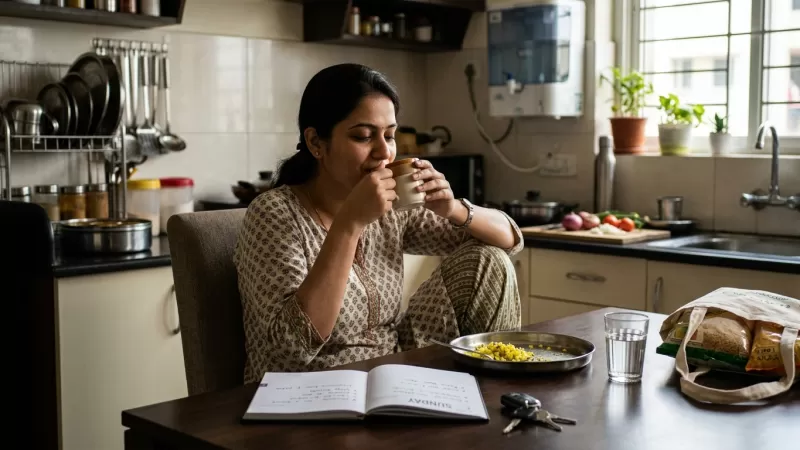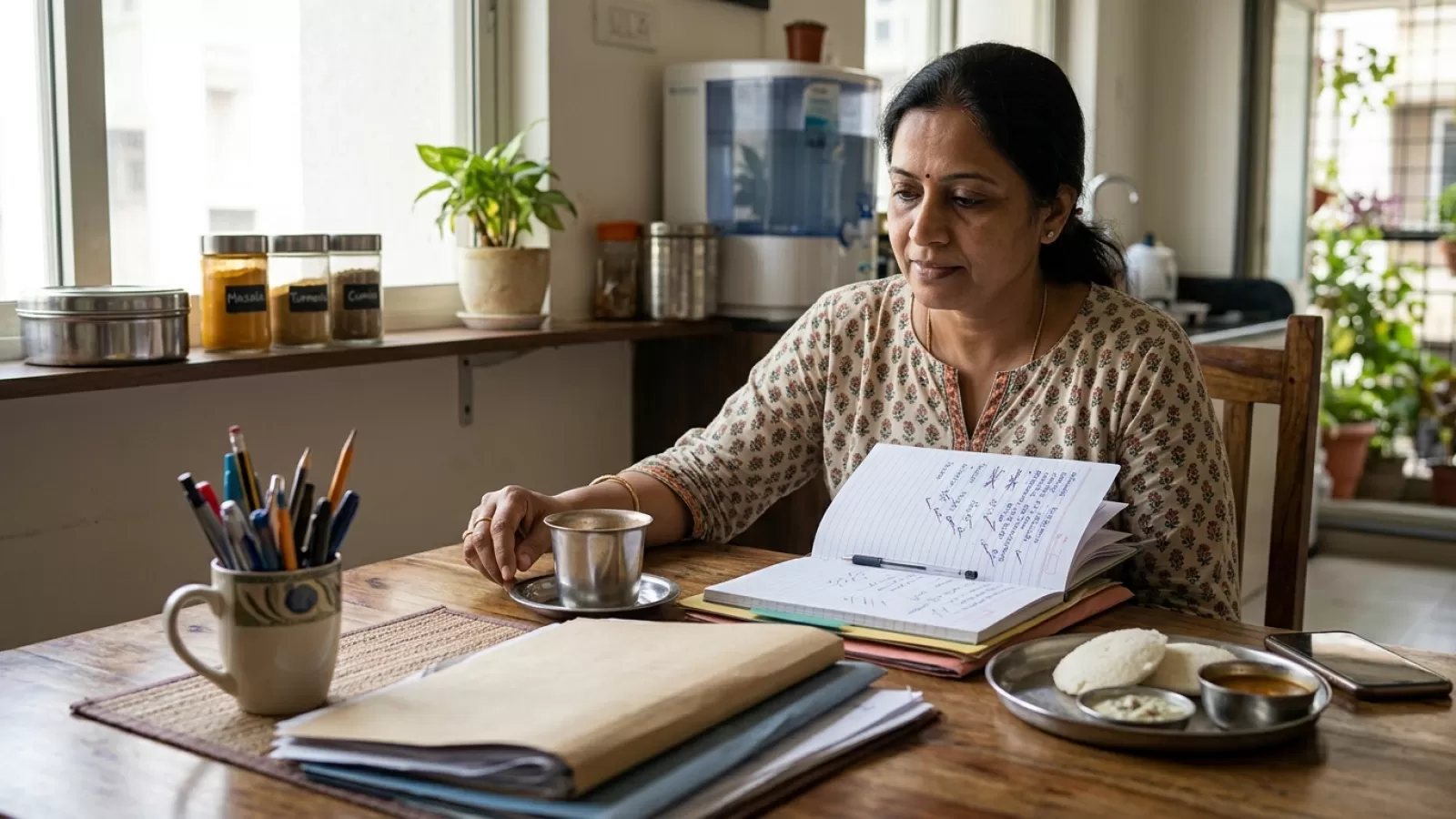
Some weeks just seem to run away from us, don’t they? You start out with a long list of things to finish—paying bills, getting groceries, school projects, work deadlines, fixing that leaky tap, maybe even planning for a festival or a family event. But by Friday, you find half those tasks still hanging around, half-done or not even started. The mind keeps returning to these unfinished jobs, creating a steady hum of worry in the background. In many Indian homes, this is a familiar rhythm—especially during busy seasons or when life throws extra responsibilities your way. If you’re feeling buried under a pile of incomplete work, you’re not alone. Here’s a gentle, practical guide to staying calm and balanced, even when the to-do list never seems to end.
Why Unfinished Tasks Feel So Heavy
It’s not just the physical work that tires you out—it’s the mental load. When important chores keep getting rolled over from one day to the next, your mind rarely gets a break. You might notice it’s harder to relax, sleep well, or even enjoy a quiet cup of chai. For homemakers, the house itself can start to feel restless—the pile of laundry in the corner, the unfiled papers on the table, those WhatsApp reminders waiting for a reply.
There’s a reason for this: unfinished tasks tap you on the shoulder all day, reminding you of what’s still pending. In joint families, sometimes it’s the weight of everyone’s needs together; in smaller families, there’s often less help to share the load. Either way, the effect is similar—a constant background anxiety that adds up over days.
Of course, not every task is equally urgent. But when several important things remain incomplete for too long, your mind can start to imagine worst-case scenarios, making you feel even more anxious or restless. It’s completely normal, and it happens to most people at some point.
Recognizing Your Limits—And Accepting Them
Here’s the catch: nobody can do everything, every day. Yet, many of us still expect ourselves to run like clockwork. You might feel guilty for not keeping up, or frustrated when family members don’t notice all that you’re managing. It’s easy to forget that some days, especially during exam season or festival prep, life just gets crowded.
So, it helps to gently remind yourself that it’s perfectly okay to have unfinished tasks. In fact, it’s quite ordinary. Recognizing your own limits doesn’t mean you’re giving up—it just means you’re human. In most homes, there are weeks when things pile up, and somehow, life still goes on.
Try not to compare your pace with others. Social media can make it look like everyone else has spotless homes and endless energy, but that’s rarely the full picture. Many families quietly deal with exactly what you’re facing—lists that grow faster than they shrink.
Making Peace with the Mess (For Now)
One of the hardest things is learning to live with a little bit of chaos. Maybe the dining table is still cluttered with schoolbooks, or your work emails are piling up faster than you can reply. This doesn’t mean you’re failing; it just means life is happening.
Instead of fighting the mess, try to make peace with it—at least for a while. It can help to focus on what absolutely must be done today and let the less urgent things wait their turn. Sometimes, it’s worth closing your eyes for ten minutes, having a slow cup of tea, or chatting with a friend, even if the kitchen sink is full. Oddly enough, these little pauses often make it easier to tackle the next thing on your list.
Many families find that during tough weeks, a bit of relaxed conversation or laughter is more valuable than a perfectly tidy home. The mess can wait; your mind’s peace is more important.
Setting Gentle Routines, Not Rigid Schedules
Routines help, but only if they suit your life. Rigid schedules—where every hour is packed and every task has a fixed time—often create more stress, especially when things don’t go as planned. In most Indian households, flexibility is key. School timings, sudden guests, power cuts, or even just a late start in the morning can throw off the best-made plan.
Instead of strict timetables, try creating gentle routines. For example, many people find it calming to set aside certain times for types of work, not specific tasks. You might decide that mornings are for household chores, afternoons for work or study, and evenings for family. If something gets missed, you can move it to the next available slot—no drama, no guilt.
- Batch similar chores together (like folding all the laundry in one go, or paying bills at the same time each week).
- Use reminders on your phone for things that really can’t be forgotten (like medicine refills or school fees).
- Give yourself one or two "anchor tasks" each day—just the most important ones to finish, even if everything else waits.
The main thing is to let your routine support you, not control you. Life is unpredictable. Your routines should bend with it.
Prioritizing Without Overthinking
It’s easy to get stuck trying to figure out which task to do first, especially when they all seem important. Sometimes, the mental effort of deciding is more tiring than the work itself. That said, most tasks aren’t equally urgent, even if they all feel pressing in the moment.
A simple trick many families use is to divide tasks into three categories:
- Must do today (urgent and important)
- Should do soon (important but can wait a day or two)
- Nice to finish (not urgent—can be done when you have time or help)
Try not to spend too much time perfecting your list. It’s enough to have a rough idea. Sometimes, just writing things down frees your mind a little. And if you can cross off even one or two things from the “must do today” column, that’s progress.
Remember, it’s normal for some things to move down the list. Give yourself permission to let go of what’s not urgent. It’s not laziness—it’s just practical.
Making Space for Small Comforts
These days, most people are running on empty by the end of the day. Whether you’re managing work calls, helping kids with homework, or just keeping the house running, the energy can run out before the tasks do. That’s where small comforts matter—even if they don’t fix the big problems.
In many Indian homes, things like a quick walk after dinner, a favourite TV show, or even a call to a sibling can be surprisingly soothing. Some people find peace in small rituals—lighting a diya in the evening, listening to old songs, or making a simple dal-chawal meal instead of something elaborate.
It’s not selfish to look after yourself, even when there’s more to be done. In fact, taking time for small comforts can make it easier to keep going, especially when responsibilities stretch over many days. You don’t have to wait till everything is perfect before you allow yourself a little joy.
Accepting Help—And Letting Go of Perfection
One common habit, especially in many middle-class families, is trying to do everything yourself. Maybe you feel that things won’t get done right, or you’ve just become used to handling it all. But when the load is heavy, accepting help makes all the difference.
Even small things—like letting someone else chop vegetables, or asking kids to pack away their own school bags—can ease the pressure. If you have house help, it might mean giving up some control over how things are folded or cleaned. The tricky part is, things may not be done exactly to your standard. But the relief is worth it.
Letting go of perfection doesn’t mean lowering your standards forever. It just means recognizing what matters most right now: your own balance and peace of mind. The house doesn’t need to look like a magazine photo. What’s more important is that you’re not completely worn out.
Staying Kind to Yourself When Things are Unfinished
Perhaps the hardest part is dealing with your own thoughts. When you see unfinished tasks day after day, it’s easy to become your own harshest critic. You might find yourself thinking, “Why can’t I keep up? What’s wrong with me?”
This self-talk is more harmful than any pile of laundry. The truth is, everyone has weeks (or even months) where things just don’t get done on time. Life in India has its own rhythm—there are festivals, family emergencies, sudden rainstorms, or just plain tiredness. These things happen in every home, even if we don’t talk about them aloud.
Try to notice when you’re being hard on yourself. If you wouldn’t say the same thing to a loved one, maybe it’s time to be gentler with yourself too. Eventually, the tasks will get done. Until then, you deserve the same patience you give others.
Sometimes, the only job for the day is to stay calm. And that’s enough.