These days, life in most Indian homes is full of small decisions—what to cook, when to leave for school or office, which chores to tackle now and which to leave for later. Even choosing a WhatsApp reply or picking the right kurta can start to feel like a big task. If you often find yourself mentally tired by afternoon, you’re not alone. This constant stream of choices—big and small—can quietly wear out your energy and patience. The good news? With a few thoughtful changes, you can make daily life feel lighter and calmer.
Understanding Decision Fatigue: It’s More Common Than You Think
Decision fatigue isn’t just a fancy term from psychology textbooks. In many Indian families, especially where both partners work or older parents manage the home, you’ll notice this tiredness creeping in by evening. It’s that sense of “I can’t think about one more thing today.” Sometimes, even picking between rice or roti feels like too much.
This is because our brains use up a little bit of energy with each choice—no matter how small. Over time, it adds up. You may have noticed that you’re more likely to snap at family or postpone chores later in the day. These are little signals that your mental fuel tank is running low.
The tricky part is, our culture often expects us to keep going—especially homemakers who juggle everyone’s needs. Here’s where some gentle changes can really help.
Why Simplifying Choices Makes Life Easier
When you reduce the number of daily decisions, you free up your mind for things that matter—whether that’s work, caring for family, or simply enjoying a cup of chai in peace. Simplicity isn’t about being boring or rigid; it’s about making space for what’s important by not getting stuck in the small stuff.
Some people think that more choice equals more happiness, but often, it just brings more confusion. You’ve probably seen this at the supermarket when you’re staring at rows of biscuits, not sure which one to pick. At home, this can look like standing in front of the fridge every night, hoping dinner inspiration will strike.
That said, simplifying doesn’t mean giving up variety or joy. It’s just about setting up little systems so you’re not starting from zero each time.
Start with Mornings: Routine Is Your Friend
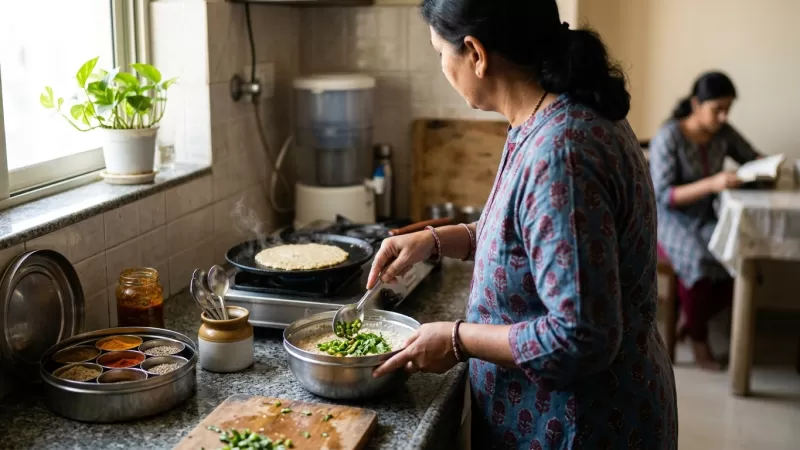
Mornings in Indian homes can be a whirlwind of activity—packing tiffins, ironing uniforms, sorting breakfast. Having a set routine for the first hour of your day can make a big difference. It takes away the need to think and plan when your mind is still waking up.
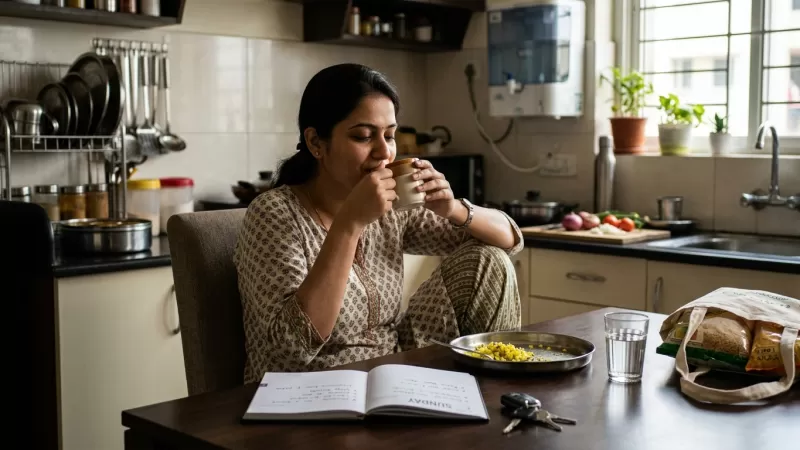
- Keep your breakfast options limited—say, poha on Mondays, eggs or cheela on Tuesdays, and so on. This way, you’re not reinventing the wheel each morning.
- Lay out clothes (yours and your children’s) the night before. Even if you’re working from home, knowing what you’ll wear saves those precious ten minutes of indecision.
- Keep keys, wallets, and masks in a single spot every day. It might sound too simple, but scrambling for things adds to your mental load.
The less you have to decide in the morning, the more calm you can carry into the rest of your day.
Meal Planning: The Quiet Superpower
“What’s for dinner?”—this question haunts many kitchens by 6 pm, especially when everyone has different tastes or dietary needs. Meal planning isn’t glamorous, but it’s one of the most effective ways to cut down on daily decisions.
Try setting a loose weekly menu. For example:
- Monday—dal, rice, bhindi
- Tuesday—roti, chole, salad
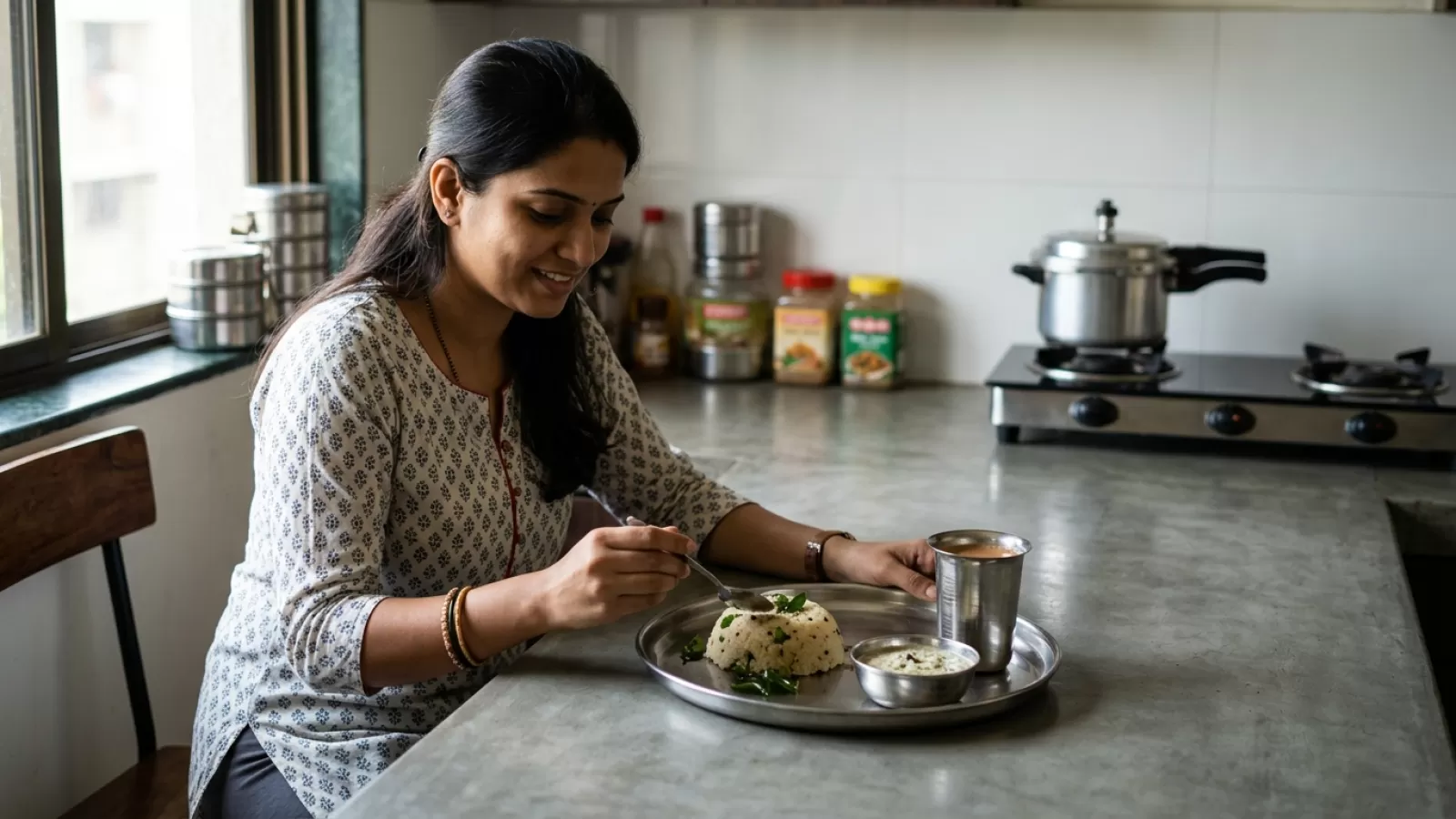
- Wednesday—leftovers or something easy like upma
You can always swap days around if needed, but having a plan means you’re not starting from scratch every evening. Some families prep vegetables in advance or keep basic gravies ready in the fridge, which helps on busy nights.
Of course, there will be days when you’re too tired or life throws a curveball. That’s fine. Having a go-to “emergency meal” (like curd rice or khichdi) takes the pressure off. Nobody expects perfection all the time.
Clothes, Shopping, and Other Small Stuff
We don’t always notice how much time goes into picking clothes, choosing household products, or scrolling through endless online options. Sometimes, it’s out of habit. Other times, it’s because we want to make the “best” choice. But does it really matter if you buy Surf or Ariel this month?
If you find these small decisions tiring, it’s okay to stick to what works for you. For example:
- Pick a “default” set of clothes for work or daily wear—a few kurtas, shirts, or sarees that you rotate. No need to rethink every time.
- Shop for groceries and essentials on the same day each week. Make a running list on the fridge or your phone.
- When you find a product you like (oil, soap, detergent), keep buying it until you have a reason to change. It’s one less thing to think about.
It’s perfectly fine to skip endless comparisons unless it’s a rare or expensive purchase.
Family Decisions: Sharing the Load Makes a Difference
In many Indian homes, especially where elders or women manage the household, all decisions big and small can fall on one person. This can be quietly exhausting, even if nobody says it out loud.
Try sharing routine decisions with others. Children can help pick the week’s menu or manage their own uniforms. Partners can decide which day to pay bills or handle certain errands. If you live in a joint family, even small discussions about breakfast or TV time can help everyone feel included and reduce arguments later.
Sometimes, it’s tempting to just do everything yourself for the sake of speed, but letting others take small decisions—even if they’re not exactly how you’d do them—can bring relief in the long run.
Dealing with Digital Overload
Smartphones and notifications are a big part of modern life now, and they bring a lot of tiny choices: reply now or later, mute or read, which news to follow, which video to watch. It’s a lot for one mind.
You might find it helpful to set specific times to check WhatsApp or social media, rather than keeping your phone nearby all day. Some people keep work and personal groups muted during meals or family time. Others switch off notifications for less-important apps.
Of course, there will be urgent calls or messages. But you don’t have to respond to everything immediately. Giving yourself these small boundaries can quietly reduce the number of decisions you have to make hour by hour.
Letting Go of the “Perfect” Choice
Here’s something many people quietly struggle with: wanting to make the “best” choice every time. Whether it’s picking a birthday gift, arranging furniture, or choosing a school project topic, the search for perfect can become its own source of stress.
It often helps to remember—most daily decisions aren’t life-changing. It’s okay to choose what’s “good enough” and move on. If a certain shampoo works for your family, you don’t need to try every new brand. If you like your current mobile plan, there’s no harm in sticking with it.
This doesn’t mean you can’t try new things. But chasing perfection in every little choice can be draining. Sometimes, good enough really is good enough.
Making Peace with Imperfection
No matter how well you plan, there will be days when you feel scattered, tired, or overwhelmed by choices. That’s just part of life, especially in busy Indian households. The idea isn’t to control every detail, but to gently create routines and habits that make things easier.
If today was full of endless small decisions, maybe tomorrow you could skip one or two. Maybe you wear the same kurta two days in a row or order in dinner once a week. It’s not a failure—just a way to save your energy for things that truly matter to you.
When you give yourself permission to simplify, life at home often feels a little lighter. And sometimes, that’s all you really need.