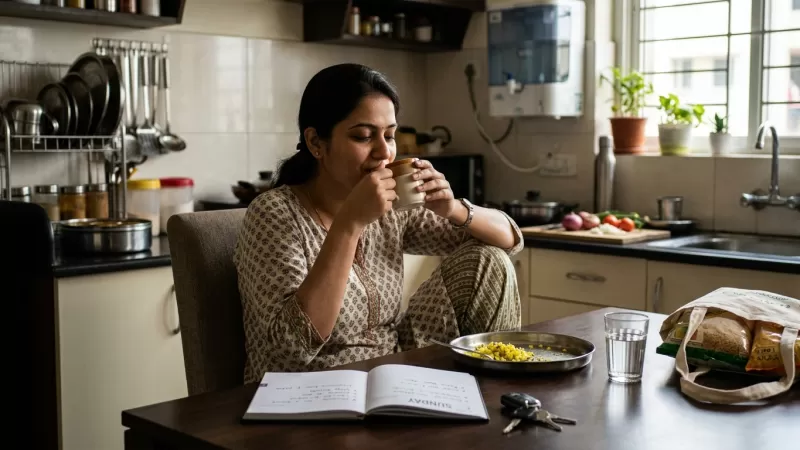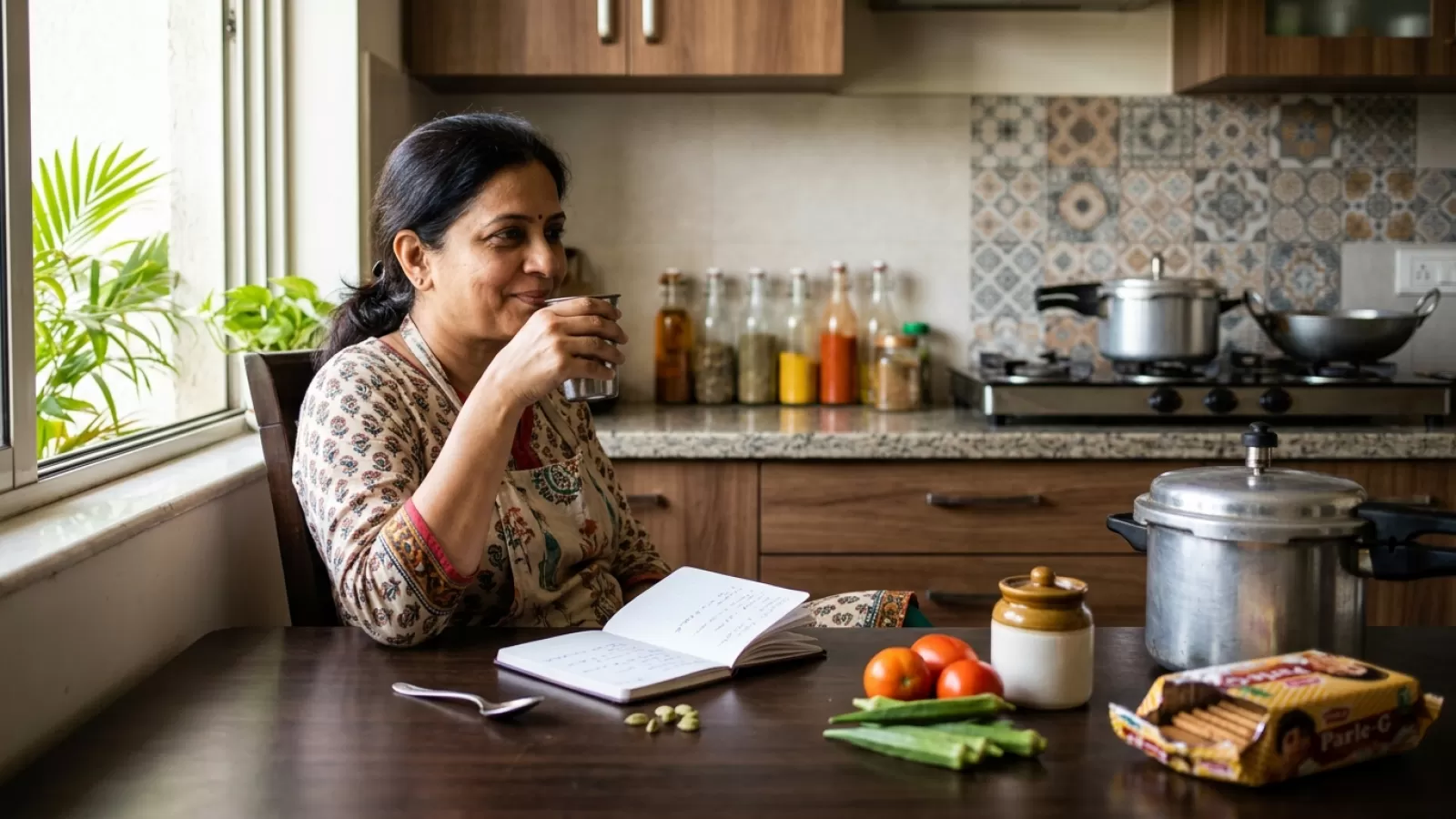
Most people want a sense of balance in life, but sticking to strict daily plans can sometimes make things worse. Maybe you've tried making detailed schedules—like waking up at 5 a.m., doing yoga for exactly 35 minutes, preparing three fresh meals a day, and reading for 20 minutes before bed. It sounds good on paper, but life in a typical Indian household rarely runs like clockwork. A late night, an unexpected guest, a child's school project, or a power cut can throw everything off. The more tightly you try to control your day, the more stressful it can become.
Why Strict Schedules Often Don’t Work Here
Many Indian families, especially in the middle class, live with unpredictability. Work calls stretch late into the night, relatives drop by unannounced, and festivals can turn an ordinary week upside down. If you’re the one managing meals, children’s needs, and maybe elderly parents, you already know how quickly plans can unravel.
The problem with rigid routines is that when you can’t follow them, you often feel guilty or frustrated. That feeling of ‘failing’ your plan can be worse than not having a plan at all. Over time, you might just give up and slide into a sense of chaos. Strangely, it’s not uncommon for people to feel more trapped by their own rules than by their actual responsibilities.
So here’s a thought: There may be better ways to keep your balance without these tight boundaries.
The Gentle Power of Flexible Structure
Instead of strict schedules, some families quietly follow what you might call a loose structure. This means you have a general idea of what needs to get done, but you’re not married to exact times or a rigid order. For example, you might know that mornings are for breakfast and school prep, afternoons for work or rest, and evenings for family time and dinner. But you let each day shape itself based on everyone’s energy and the day’s surprises.
Flexible structure can sound vague, but it works because it’s built around your real life, not some ideal version of it. Many people find that this approach helps them stay calm and get more done overall, even if their days look different from each other. It’s about rhythms, not rigid time slots.
- Anchor activities to general times of day, not the clock (like “after breakfast” or “before dinner”).
- Keep a short list of essential tasks, not a minute-by-minute plan.
- Let go of perfection—doing most things most days is usually enough.
Listening to Your Real Energy
One reason fixed plans fail is that our energy and mood don’t always show up on schedule. Some mornings, you might feel ready to tackle chores at 6 a.m. Other days, you need an extra cup of chai just to get moving. In many homes, this natural up-and-down plays out quietly—parents, seniors, and kids all have different rhythms.
If you can notice your own energy patterns, you can plan your day’s tougher tasks for when you tend to feel most alert. For some, that’s after a light breakfast. For others, it’s in the late evening when the house has finally quietened down. There’s no need to force yourself into someone else’s routine if it doesn’t fit you.
Here’s the catch: It takes some patience to notice these patterns, and it won’t always be obvious. But once you get a sense of your natural flow, you may find it easier to get things done without pushing yourself all the time.
Making Space for Breathers—Not Just Tasks
In busy Indian households, the day can fill up with endless “to-dos.” Cooking dal, folding clothes, checking homework, sending emails—it’s easy to end up running on autopilot. But if you don’t give yourself small pauses, the stress builds up quietly. Many people only notice their tiredness after snapping at someone or losing their appetite.
Instead of scheduling long breaks that you can’t keep, try weaving in short breathers. These don’t have to be fancy. Just sitting quietly with your tea, stepping onto the balcony for a minute, or lying down with your eyes closed can help your mood more than you’d expect. You don’t even need to call it “me time.”
- Pause for two minutes between chores, especially after demanding ones.
- Step out for fresh air when you feel your head getting heavy.
- Let yourself sit down during ad breaks or while the cooker whistles.
It’s surprising how these tiny moments add up, especially when you’re not waiting for the perfect time to relax.
“Loose Planning” for Meals and Health Habits
Food is often at the heart of Indian daily routine, but planning every meal in advance can become another source of pressure. Many households, especially with working parents, end up eating whatever is quickest or leftover. That’s normal. The tricky part is not feeling bad about it.
Loose planning is about having a general sense of what’s in your fridge and pantry, and keeping a few basics around (like dal, rice, roti atta, and some vegetables). You don’t need to decide on Monday what you’ll eat on Thursday. Instead, try to ensure there’s something healthy-ish available, and don’t stress if it’s the same sabzi two days in a row.
When it comes to health, you can also take a relaxed approach. For example, if you can’t fit in a 30-minute walk every day, maybe you walk for 10 minutes when you can, or climb stairs instead of waiting for the lift. It all counts, and it’s usually better than nothing.
Handling the Guilt of “Not Doing Enough”
One thing many people quietly struggle with is guilt—feeling like they should be doing more, or doing things more perfectly. Social media and WhatsApp forwards don’t help, with their polished photos of meal preps, spotless homes, and detailed planners. The truth in most homes is much more ordinary and, honestly, messier.
It’s worth reminding yourself that being flexible isn’t the same as being lazy. Taking care of your family, working, and managing a home is already a lot. If you’re managing to keep everyone fed, safe, and reasonably happy most days, that’s something to appreciate.
No one can do everything, every day. Not even the people who seem to on the outside.
Balancing Family Needs and Your Own Space
Joint families, nuclear families, and everything in between—almost every Indian home has people with different needs. Sometimes, one person’s attempt at a routine can clash with another’s. Maybe you want a quiet tea at 7 a.m. but your child wakes up at 6:45. Or you’d like to watch a serial in the evening, but dinner prep takes over.
Instead of trying to carve out long periods just for yourself, you can look for shared moments that are good for everyone. Maybe you all take a short walk after dinner, or everyone pitches in to tidy up before bedtime. These shared routines can give structure to the day, even if nothing else goes to plan.
When you do need your own space, try saying it gently, without guilt. Something like, “I need ten minutes to sit quietly,” usually goes down better than a big announcement. Over time, families get used to these little boundaries.
Letting Go: When to Drop the Plan Altogether
Some days just go off the rails. The fridge stops working, the neighbour’s renovation never ends, your boss calls at 8 p.m., or you just feel low for no clear reason. On those days, it's okay to drop the plan. Eat what’s easy, let chores slide, and give yourself permission to be imperfect.
These off-days are part of life, and they don’t mean you’ve failed at self-care or family care. If you find yourself having more of these days than usual, it might be a sign that your routines need to be even lighter and kinder. Sometimes, lowering your expectations helps everyone breathe easier.
You’re not alone in this—many families quietly deal with unpredictability and messiness, even if it doesn’t always show.
Small, Gentle Ways to Find Balance—Even Without Perfect Plans
If you’re tired of strict plans but still want a sense of balance, it helps to focus on the small things that make you feel grounded. This might be a quick walk, a favorite song, or a simple home-cooked meal. Over time, these little habits stack up to create a sense of stability—even when your days are anything but predictable.
- Pick one or two small “anchors” each day—like family tea time or a quick prayer before bed.
- Allow plans to change without beating yourself up.
- Remember that most homes are a bit imperfect—and that’s perfectly normal.
Balance isn’t about following a flawless plan. It’s about moving gently with the ups and downs, and giving yourself—and your family—the space to breathe.