Some evenings just seem to drag on, don’t they? You finish your work, the house is mostly in order, and suddenly, the hours between sunset and bedtime feel slow and empty. In many Indian homes, this time can feel especially quiet after a busy day—kids may be doing their homework, elders might be watching TV, and you’re left wondering how to fill the space without slipping into boredom or restlessness. It’s a common feeling, especially in today’s world where our days are packed but our evenings can feel oddly hollow. Finding your balance isn’t about making every evening productive; sometimes it’s just about keeping your mind gently engaged and your mood steady.
Noticing the Slow Evenings
First, it helps to simply notice when an evening feels slow or mentally empty. Sometimes, you might look at the clock and realize it’s only 7:30, but you’re already tired of the TV and there’s nothing urgent left to do. Other times, your body feels restless but your mind is fuzzy—neither fully relaxed nor interested in doing much. This isn’t unusual. In fact, many families quietly deal with these lulls, especially after a long stretch of busy days or during seasons like the monsoon, when going out isn’t appealing.
Here’s the catch: it’s easy to reach for your phone, scroll endlessly, or snack out of boredom. It’s not wrong, but over time, these habits can leave you feeling even more sluggish. Sometimes, just being aware that you’re in a slow evening helps you respond with a little more intention.
That said, there’s no need to fill every minute. Evenings like these can become gentle opportunities for balance—if you let them.
Creating a Gentle Evening Structure
On days when the evening feels too slow, a bit of structure can help. This doesn’t mean forcing yourself into a strict routine, but rather giving your evening a loose shape. You’ve probably noticed that on days when you have a small task to look forward to—maybe folding laundry while chatting with a family member, or prepping vegetables for the next day—the time passes more smoothly.
Consider breaking your evening into small blocks, each with a purpose. It might look like this:
- 20 minutes for a walk or some gentle stretches
- 30 minutes for a family activity (card game, board game, or just chatting after dinner)
- 15 minutes prepping for tomorrow (setting out clothes, making a to-do list)
- Some quiet time for yourself—reading, listening to music, or just sipping tea on the balcony
You don’t have to follow this every day. But having a few anchor points can give your evening a comfortable flow, instead of feeling like a blank space you need to fill.
Simple Movement for Calm Energy
Many people find that slow evenings feel heavier when there’s no physical movement. After sitting through work, commuting, or household chores, your body and mind can both benefit from gentle activity. This doesn’t mean a sweaty workout—just something to get your blood moving.
Options in most Indian homes are simple:
- A leisurely walk in your lane or around the terrace
- Stretching exercises while watching your favourite serial
- Light housework (dusting, watering plants, folding clothes) with some music in the background
Even ten minutes can make a difference. You might notice your mood lifting, and sometimes you’ll sleep better too. On days when you’re really tired, just stepping outside for a bit of fresh air can be enough.
Meaningful, Low-Effort Engagement
When your mind feels empty but you don’t want to get lost in your phone, gentle engagement helps. This doesn’t have to be anything big—just small activities that feel pleasant and don’t require too much effort.
Some practical ideas:
- Sorting old photos or organizing a drawer (it can be oddly satisfying)
- Trying a new simple recipe or making a cup of masala chai with extra care
- Listening to old songs or a family-friendly podcast
- Calling a relative or friend for a short, light conversation
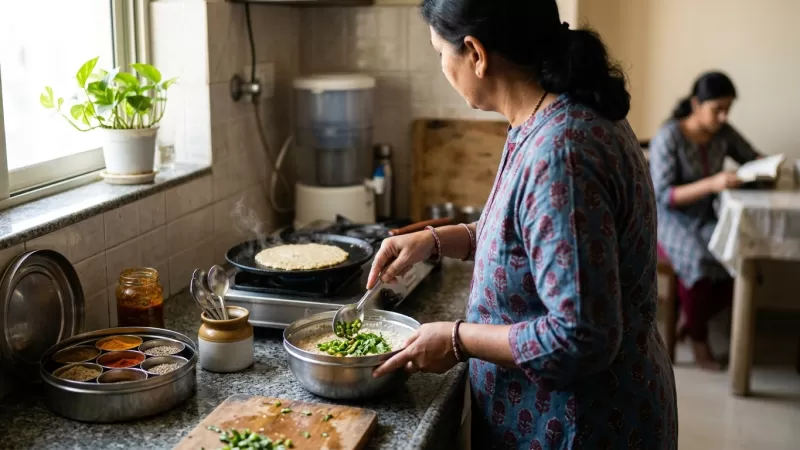
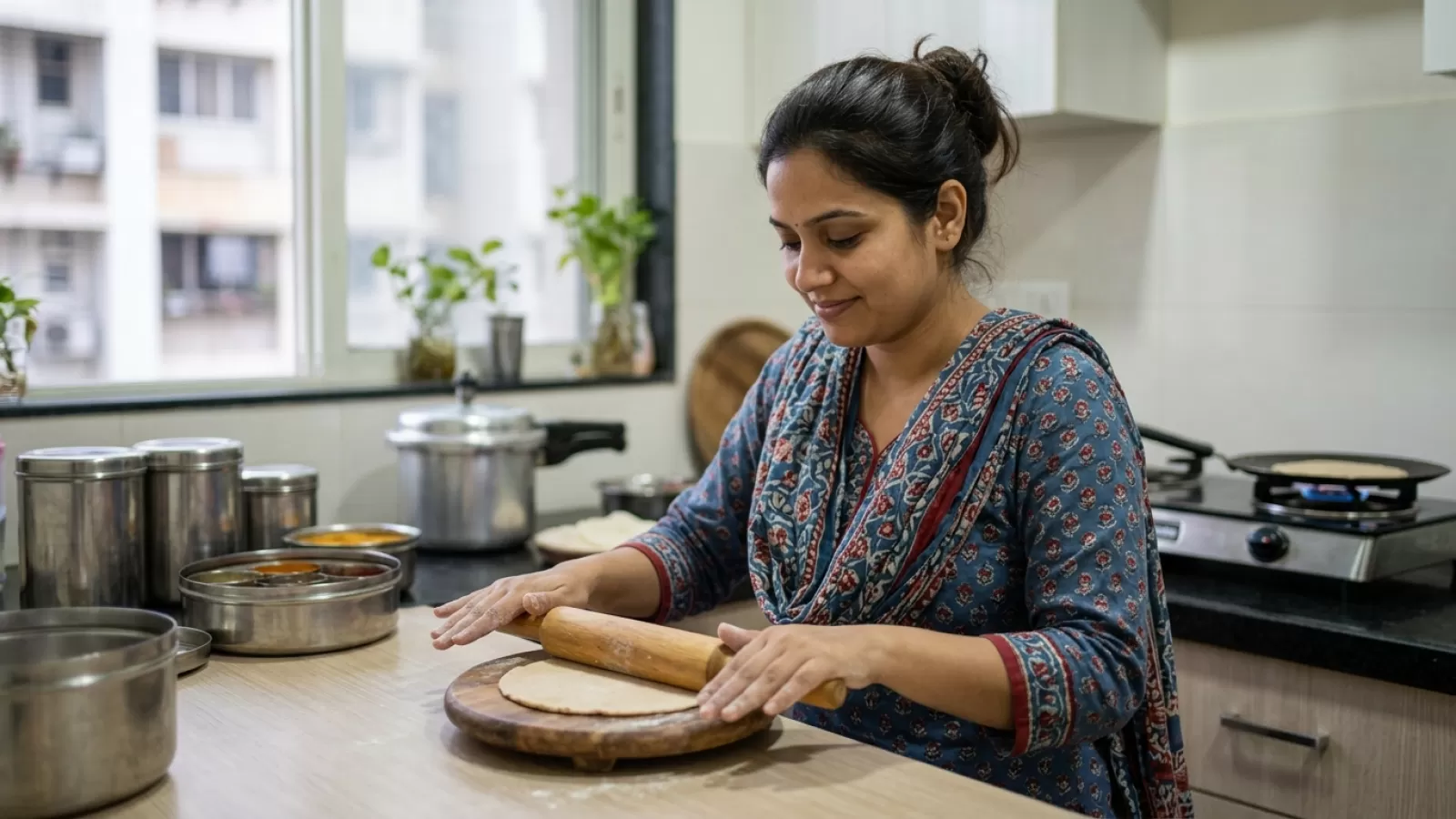
In many homes, people enjoy rolling out rotis together, or cleaning up the kitchen as a group after dinner. These shared moments can bring a sense of connection without any pressure to be “productive.”
Calming Evening Rituals
Some families have small evening rituals that signal the day is winding down. It could be lighting a diya, saying a simple prayer, or just sitting quietly for a few minutes after dinner. These habits tend to help anchor the mind, especially during slow evenings when you might feel a little lost.
Other calming rituals you might try:
- Changing into comfortable home clothes as soon as you’re done with the day’s work
- Washing your face or feet to feel refreshed
- Spending a few minutes with a book, magazine, or even a puzzle
It’s surprising how much difference these small things can make. They help you transition from the busy part of the day to a quieter, more restful state, without feeling completely empty.
Family Time Without Much Fuss
In joint and nuclear families alike, evenings are a natural time to come together. The tricky part is, not everyone wants to talk or play games every night—sometimes people just want to relax in their own way. That’s fine. Still, a small window of togetherness can make slow evenings feel warmer and more connected.
Some easy, low-pressure ideas:
- Watching a favourite comedy or old movie together (even if some people are half-watching while doing other things)
- Peeling peas, shelling peanuts, or doing small kitchen chores as a group
- Taking turns to share one good thing about the day at the dinner table
You don’t have to force conversation. Just being in the same room, sharing space, can often be enough to lift the mood and break the sense of emptiness that sometimes creeps in during quiet evenings.
Balanced Eating for a Light Night
Late evening boredom can sometimes lead to extra snacking—biscuits, namkeen, sweets left over from festivals. While it’s normal to crave a little treat, eating too heavily at night can make you feel sluggish and disturb your sleep. Many families have found that simple, familiar dinners (dal, roti, sabzi, and a bit of curd) tend to suit the Indian stomach best, especially if eaten on time.
If you’re hungry later, consider lighter options:
- Roasted chana or murmura with a bit of masala
- Fresh fruit or a small bowl of dahi
- Warm milk with a pinch of haldi
The idea isn’t to deny yourself, but to notice when you’re eating out of boredom rather than hunger. Small changes here can make your evenings feel more balanced overall.
Respecting Your Own Rhythm
Here’s something that often gets overlooked: not every evening will feel meaningful or lively, and that’s okay. Some days, you’ll want to do more; other days, you may just want to rest and not talk to anyone. It’s natural, especially if your workdays are long or you’ve been dealing with family responsibilities.
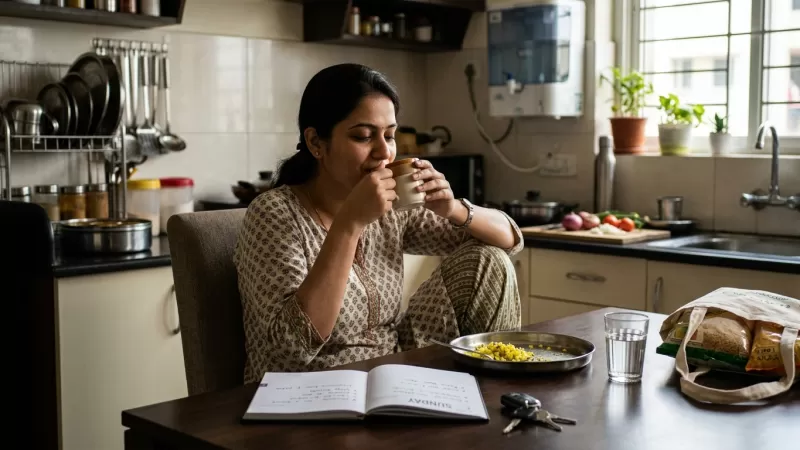
The key is to avoid judging yourself for these slow patches. Instead, see them as signals—maybe your body and mind need a gentler pace tonight. With a few simple habits and a little self-kindness, you can find calm engagement and maintain a steady mood, even when the evening feels unusually still. Some nights, all you really need is a cup of chai and a peaceful moment by yourself.
That’s perfectly fine.