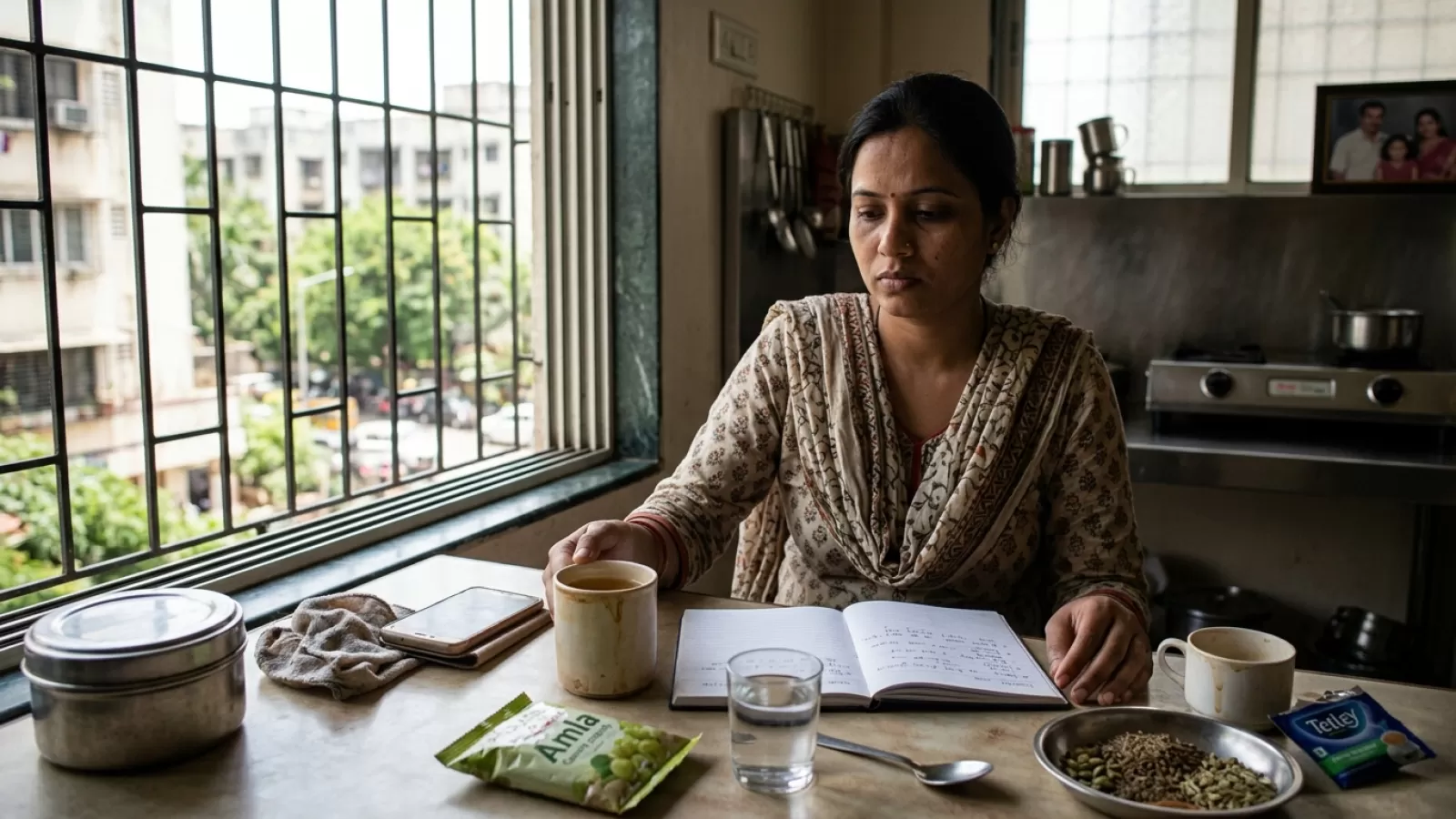
Many people across India quietly struggle to get good sleep, especially as routines have changed in recent years. Whether it’s the stress of work, noisy neighbours, changing seasons, or even just the habit of scrolling through your phone before bed, poor sleep can creep up on anyone. The good news is, you often have more control over your sleep than it feels like. Everyday choices—what you eat, how you move, and even when you sip your last cup of tea—can make a noticeable difference. Let’s look at some practical, familiar habits that can help you rest better, naturally and safely, right at home.
Understanding What’s Disrupting Your Sleep
If you’re tossing and turning at night, you’re not alone. Many Indian families, whether in big cities or smaller towns, quietly deal with sleep troubles. The tricky part is that poor sleep isn’t usually caused by just one thing. It’s often a mix: late-night TV, heavy dinners, stress about the next day, or even the way your bedroom is set up.
It’s helpful to pause and notice what’s happening in your evenings. Are you lying in bed scrolling endlessly? Does your mind race with tomorrow’s chores? It’s alright—these things happen. Sleep issues can show up as trouble falling asleep, waking up too early, or feeling tired even after hours in bed.
Here are some common culprits many people notice:
- Drinking tea or coffee late in the evening
- Heavy, spicy dinners close to bedtime
- Watching exciting TV shows or news just before bed
- Work calls or emails late at night
- Noisy streets or bright lights outside the window
Once you spot these patterns, small changes can start to make a difference.
The Role of Daytime Habits in Nighttime Sleep
It might sound surprising, but how you spend your day matters just as much as what you do at bedtime. In many homes, mornings begin early—chai brewing, school tiffins, or logging in for work-from-home calls. By evening, everyone feels tired, but sometimes the body is too wound up to actually relax.
Regular movement during the day—whether it’s a walk after lunch, sweeping the veranda, or climbing stairs—helps your body feel naturally ready for rest later. If your routine is mostly sitting (at a desk, in the car, or on the sofa), the body doesn’t get the gentle tiredness it needs for good sleep.
Some people find a short afternoon nap refreshing, but long naps or sleeping too late in the day can throw off your nighttime rest. These days, it’s common to nap after a heavy lunch, especially in the summer—but if you’re struggling to sleep at night, try keeping afternoon naps under 30 minutes and before 3 pm.
Watching What and When You Eat or Drink
Food and drink play a bigger role in sleep than most realise. In India, dinners are often eaten late—sometimes after 9 pm, especially if work or family routines run long. While it’s not always possible to change dinner time, what you eat and drink can still help.
Heavy, oily, or spicy foods (think paneer butter masala, biryani, or fried snacks) close to bedtime can cause heartburn or make you feel uncomfortably full when you lie down. Lighter meals—dal, sabzi, roti, some curd—tend to be gentler on the system in the evening.
Drinks matter too. Many people enjoy tea, coffee, or even soft drinks in the evening, not realising that the caffeine can linger and disrupt sleep hours later. Here’s something to try:
- Switch to decaffeinated or herbal tea after 5 pm
- Limit heavy sweets and desserts to earlier in the day
- Drink water, but not too much right before bed (to avoid midnight trips to the bathroom)
Sometimes, just shifting your last cup of chai to the afternoon can help more than expected.
Creating a Calmer Evening Routine
Evenings in many Indian homes are busy—kids finishing homework, elders watching TV, and everyone catching up. But the hour or so before bed shapes how easily you’ll fall asleep. A calm, predictable wind-down routine gives your mind and body the signal that it’s time to rest.
This doesn’t have to be fancy. Simple steps can help:
- Dim the lights and reduce loud noises about an hour before bed
- Switch off bright screens (TV, phone, tablet) 30 minutes before sleeping
- Read a light book, listen to gentle music, or chat quietly with family
- Try a warm bath or simply wash your feet—an old Indian habit that many still find soothing
You don’t have to do everything perfectly. Even choosing one or two calming activities can make those last moments before bed more restful.
Managing Worries and Mental Overload
In today’s fast-moving life, it’s easy for worries to pile up. Sometimes, even after a tiring day, the mind stays busy—thinking about unpaid bills, work deadlines, or family matters. It’s no wonder sleep gets pushed away.
One gentle idea is to keep a small notebook by your bedside. If thoughts keep swirling, jotting down tomorrow’s to-do list or jotting a quick note can help the mind let go. This isn’t about solving everything—just making space so your brain doesn’t feel it needs to remember everything overnight.
Some people quietly pray, meditate, or simply sit in silence for a few minutes before bed. If you find your mind racing, taking a few slow, deep breaths can sometimes help. Of course, not every night will feel peaceful, but giving yourself small moments of calm can slowly make a difference.
This is easier said than done, especially during stressful times. It helps to be gentle with yourself on restless nights.
Making Your Bedroom Friendlier for Sleep
Your bedroom environment can make a surprising difference to your sleep quality. Many homes in India double up rooms for multiple uses—a bedroom is sometimes a study, TV room, or even a shared space for children and elders. Even so, a few small tweaks can help signal to your body that it’s time for sleep.
Some practical suggestions:
- Keep the room dark with thick curtains or an eye mask if needed
- Try to reduce noise—close windows, use a fan or white noise if the street is loud
- Keep the bed clean and comfortable—a simple cotton bedsheet and pillow that suits you
- Avoid bringing work, laptops, or heavy discussions to the bed if possible
In the summer, a cool room helps—open a window for fresh air or use a ceiling fan. In winter, a light blanket and closed windows can keep you cozy. You don’t need a fancy setup; small adjustments often go a long way.
Adapting Sleep Habits to Family and Festival Life
Indian homes are full of life—joint families, visiting relatives, festivals, and late-night celebrations. During Diwali or weddings, sleep routines can get thrown out completely, and that’s alright sometimes. The goal isn’t to be strict, but to find a rhythm that lets you rest well most days.
With children and elders in the house, sleep times may not match up. You might get disturbed by a child waking up or an elder needing help at night. These things happen in many families, and it’s normal to feel a bit worn out. When possible, try to catch up on rest the next day, or ask for help so you’re not always the only one sacrificing sleep.
If you live in a city with constant noise outside or late-night traffic, white noise (like a fan) or earplugs can help. During festival seasons, it’s okay to accept a few disturbed nights and return to your usual routine after celebrations.
When to Seek Help and What Not to Worry About
Everyone has a few bad nights now and then. If you sleep poorly for a couple of days—after a family event, travel, or stressful week—it usually settles on its own. But if you’re regularly struggling to fall asleep or stay asleep, and it’s affecting your mood or energy, it’s worth talking to someone you trust or seeking advice from a doctor. Sometimes, sleep problems are linked to health conditions or medication side effects, especially as we get older.
That said, there’s no need to panic about the occasional sleepless night. Worrying too much about sleep can sometimes make it even harder to relax. Many people find that simply accepting that not every night will be perfect takes the pressure off.
Gentle routines, familiar foods, and small changes in your daily habits can quietly support better rest at home. You don’t have to overhaul your life overnight—just start with one or two things that feel manageable. Over time, these little habits add up, and sleep tends to improve naturally, without much fuss.