In a typical Indian household, the idea of personal space can feel like a distant wish. Many families, whether joint or nuclear, share rooms, mealtimes, and even workspaces these days. With everyone at home—kids studying online, elders following routines, partners on back-to-back calls—privacy is almost a luxury. Yet, you quietly crave a corner to breathe, think, or just collect yourself. The challenge is real, but so are the small, gentle ways to create space for yourself, even in a packed home.
Understanding Personal Space in Indian Homes
For most Indians, the thought of personal space isn’t about a separate room or shutting out loved ones. It’s often about a few minutes of calm, a quiet cup of chai, or simply reading the newspaper without interruption. In many homes, there’s an unspoken acceptance that life is busy and noisy—so you learn to carve out tiny islands of peace rather than expecting total silence or solitude.
Sometimes, asking directly for space feels odd, maybe even selfish. But it’s not. Everyone—parents, grandparents, teenagers—needs moments to recharge. You’re not alone in feeling overwhelmed when there’s constant chatter or activity around you. The good news is, you can gently set cues and routines that others start to recognize, all without hurting anyone’s feelings.
Soft Cues: The Quiet Language of Boundaries
In Indian families, bluntly declaring, “I need space!” can sound harsh. Here’s where soft cues come in handy. These are subtle signals you send, through actions or gentle words, that let others know you need a breather. Over time, family members pick up on these cues without anyone feeling pushed away.
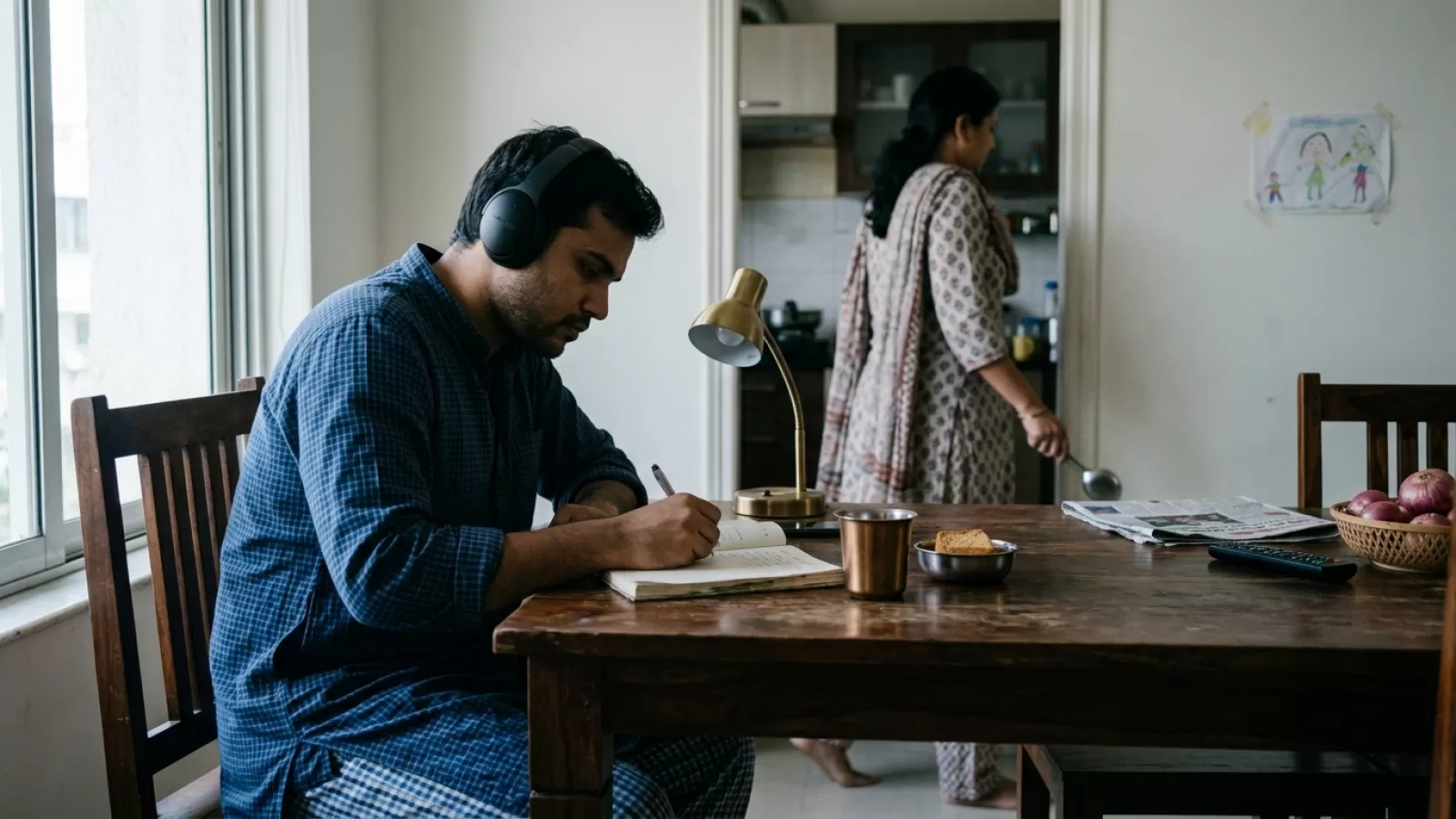
- Wearing headphones or earphones (even if you’re not listening to anything) signals you’re in your own zone.
- Spreading out your newspaper or book in a corner chair usually hints you’d like a few quiet minutes.
- Stepping onto the balcony with your tea, instead of sitting in the middle of the living room, is another gentle sign.
- Using soft phrases like, “I’ll just finish this and join you,” or “Give me two minutes,” buys you some breathing room.
You’ve probably noticed: these cues work best when used regularly and calmly, not suddenly during a heated moment.
Creating ‘Mini Retreats’ in Shared Spaces
Finding a whole room to yourself is rare, especially in small flats or joint families. Instead, think about creating ‘mini retreats’—tiny spaces or routines that help you step back, even for five minutes. It could be as simple as sitting by a window, tending to a potted plant, or folding laundry quietly in a corner.
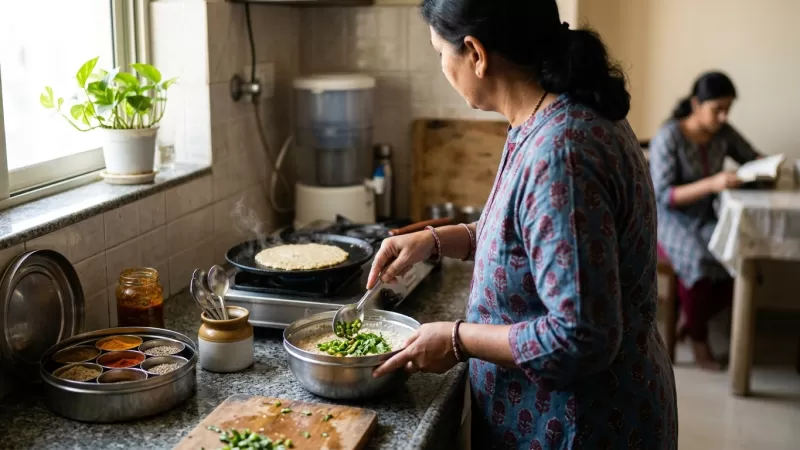
Even a daily task can become a moment of peace if you treat it as your own. Some homemakers find solace in kneading dough on the kitchen counter, while others enjoy chopping vegetables alone after lunch. The trick is to let your family know (in a soft, matter-of-fact way) that you look forward to these moments, so they start respecting them as your time.
It’s not about escaping your responsibilities—just giving yourself a small pause to recharge.
Negotiating Time Without Drama
Time is often the hardest thing to claim in a busy home. Mornings are a rush, evenings get noisy, and weekends fill up with chores or guests. Instead of fighting for long stretches, try negotiating for short, regular breaks.
For example, after dinner, you might quietly slip away for a few minutes—a quick walk on the terrace, or just sitting alone in the room before clearing the table. If your family knows you do this every night, it soon becomes a normal part of the routine. Or, if you’re working from home, a closed door for half an hour (with a gentle “Please don’t disturb unless urgent” note) can help everyone respect your need for focus.
Of course, there will be days when the door still swings open or someone forgets. That’s part of family life. The key is consistency and patience, not perfection.
Respecting Others’ Space, Too
It’s easy to focus on your own need for space, but often, other family members crave the same—even if they don’t show it. Children, elders, and partners all have their quiet moments and routines that help them feel balanced.
Paying attention to these signals can strengthen your relationships. If your daughter is quietly drawing in the corner, or your spouse is lost in a book, let them be. Over time, the whole family becomes better at giving each other breathing room, without any blame or fuss.
- Notice when someone seems withdrawn and offer space instead of questions.
- Encourage small, individual hobbies—gardening, craft, or music—without insisting everyone join in.
- If a family member tends to wake up early or stay up late, respect their routine instead of pulling them into group activities every time.
This gentle respect goes both ways. It’s not always easy, especially in homes where everyone is used to doing everything together. But it makes a quiet difference.
Using Daily Routines as Boundaries
Routine is a powerful tool in Indian homes. Most families have set times for tea, meals, prayers, or TV. These routines can also be used to mark personal time, without making a big announcement.
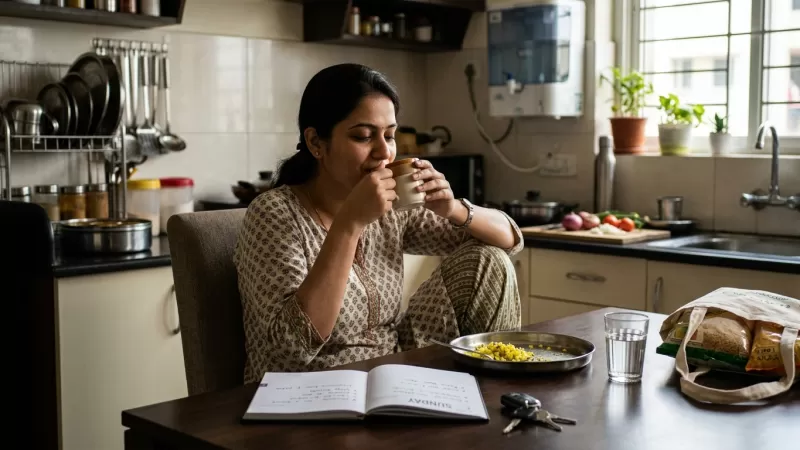
For example, you might use your early morning chai as your “me time”—maybe you sit by the window, listen to bhajans softly, or just enjoy the breeze. Or, after everyone goes to bed, you could spend ten minutes stretching, journaling, or simply reflecting on the day. When these routines are repeated daily, others begin to understand and quietly leave you to it.
Here’s the catch: it works best when you stick to it, even if only for a few minutes. The more regular the routine, the more natural the boundary becomes.
Gentle Communication: Saying What You Need
It’s not always easy to talk about personal space, especially with elders or in-laws who grew up in times when family meant constant togetherness. But gentle, honest communication goes a long way.
Instead of complaining or shutting yourself away, try soft phrases that explain your feelings. Saying, “I just need a short break to clear my head,” or “Can I have five minutes alone, then we’ll talk?” usually works better than snapping or staying silent. Over time, even those who don’t fully understand the need for space start to respect your request, simply because you ask kindly and consistently.
Many families quietly deal with misunderstandings around this—one person feeling ignored, another feeling crowded. A calm chat, often over a cup of tea or during a quiet evening, can clear up a lot.
When You Can’t Find Space: Coping With Overwhelm
There will be days—during festivals, school holidays, or when someone’s unwell—when finding any space at all feels impossible. The house is noisy, everyone’s talking at once, and you can’t even hear your own thoughts. It’s normal to feel irritable or tired during these times.
In such moments, simple coping tricks can help:
- Breathe deeply or count to ten before reacting to noise or interruptions.
- Step into the bathroom for a minute to splash your face or just pause.
- Write down your thoughts or worries in a small notebook—sometimes, just putting words on paper helps.
- Remind yourself: this phase will pass, and you’ll get your quiet moments back soon.
This isn’t about being perfect. It’s about doing your best with what you have, on the days when space is scarce.
Personal Space Is a Family Habit
Learning to protect your own personal space—and respect others’—doesn’t happen overnight. It’s a slow, ongoing process, shaped by small daily actions and quiet cues. In most Indian homes, it means gently carving out moments for yourself, without moving away from the warmth of family life.
So, if you’ve ever longed for a brief pause in the middle of a busy day, just remember: it’s both natural and possible, even in the most crowded homes. Sometimes, all it takes is a soft cue, a familiar routine, and a little patience.