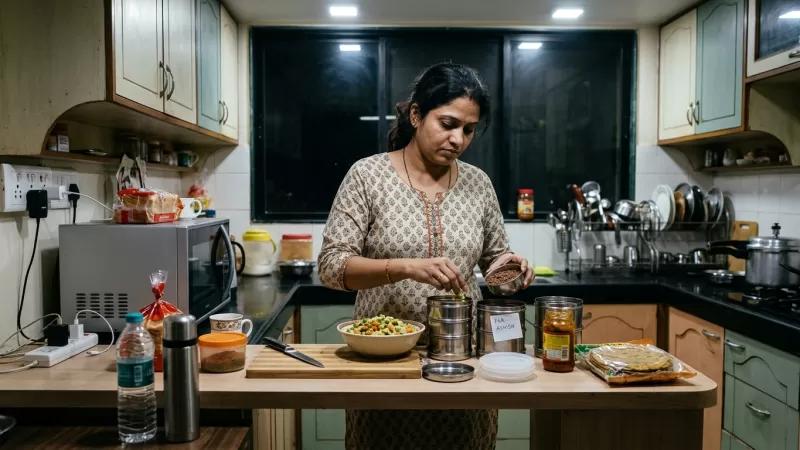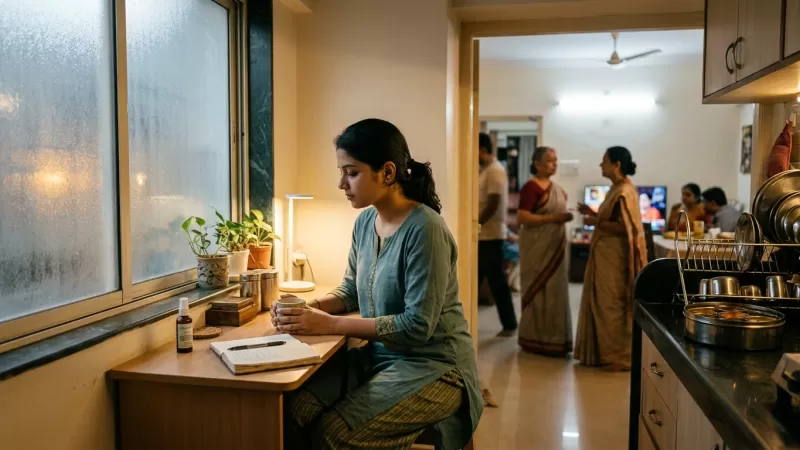
Late on a humid Sunday, after a long week of office work and family calls, you might find yourself scrolling through your phone in the living room. The fan hums, the pressure cooker whistles in the kitchen, and your thumb keeps gliding over WhatsApp updates, online grocery deals, and a few silly videos. Somewhere, a nagging feeling creeps in—should you be doing something more productive? Screen time management in India often feels less about discipline and more about guilt, especially for adults juggling multiple roles at home and outside.
Most Indian adults will tell you, the phone is not just for entertainment. It’s the hub for work chats, school updates, family group photos, online banking, paying the milkman, and even ordering vegetables. With all this, managing screen time India realistic is a daily challenge, and the guilt of scrolling seems to come free with every recharge pack. But here’s the catch—it's not always the number of hours, but the way we use our screens and the feelings attached to it that matter most.
Why Phone Guilt Is So Common in Indian Homes
In many Indian households, phone use is woven into every part of the day. A parent checks school WhatsApp groups while waiting for milk to boil. A working professional in Hyderabad toggles between client calls and grocery lists. The phone is not just a source of entertainment, but an essential tool for managing modern Indian life.
The tricky part is, the same device that helps you pay the electricity bill also tempts you with endless reels or news headlines. Often, adults feel guilty about their screen time—especially when elders comment on "always being glued to the phone" or when they notice a headache after a long day of staring at screens. The guilt gets worse when you compare your habits to someone else's—maybe an aunt who claims she barely touches her phone or a cousin who posts about digital detoxes.
In reality, most Indian adults phone habits have little to do with addiction and more to do with the demands of daily life. The pressure to be available for work, family, and logistics—all through the phone—means that reducing phone use India without guilt is rarely about cutting out screens completely. It's about understanding which screen time is draining and which is actually helpful or connecting.
Why the Urge to Check the Phone Keeps Returning
In many homes, the phone is the central organiser. One minute, it’s a work call; the next, a message from the colony's security group. For adults with kids, school notifications can come at odd hours—sometimes right as you're stirring the dal. For seniors, the phone is often the only way to do bank work or connect with relatives far away.
Here's the thing: Indian homes tend to be busy, sometimes chaotic. Joint families mean more people sharing devices, and working from home means work messages can pop up at any hour. Add to this the pressure to respond quickly—bosses expect prompt replies, family members want help with online forms, and friends share urgent news. There’s also the reality that after a tiring day, the phone offers easy, passive entertainment. Many adults don't turn to their screens because they're hooked; they do it because it's the most accessible way to decompress, especially in small apartments or when the TV is occupied.
Mental health counselors who work with Indian professionals often find that guilt about phone habits is made worse by unrealistic screen time targets or social pressure to "disconnect." Most adults are not mindlessly scrolling—they are managing tasks, relationships, and sometimes, just catching their breath.
Clues You Might Be Feeling Drained by Screen Time
- You reach for your phone before finishing your chai. Many people realise they've checked work updates or WhatsApp before they’ve even woken up fully. It’s a sign when the phone becomes the first and last thing you see each day.
- Family comments about your screen time. In Indian homes, elders or children often point out when someone is “always on the phone.” These comments might sting, especially if you’re actually juggling work or family needs.
- Physical discomfort after long usage. Sore eyes, a heavy head, or a stiff neck after a video call or long scrolling session are common signals in many homes, particularly during summer when fans run but the heat still lingers.
- Feeling guilty after "wasting" time. That heavy feeling after an hour of watching reels or reading news, especially if chores or work are still pending, is very recognisable.
- Missing out on family chats or house routines. Sometimes, people notice they’ve zoned out during dinner or missed a funny story because they were looking at their phone. When the phone feels more like an interruption than a help, it’s a sign to pause.
Practices That Help Reduce Phone Use in India Without Guilt
- Notice what feels draining versus connecting. Not every hour on the phone is the same. Reading a recipe with your spouse or video calling a sibling away from home can feel energising. Mindless scrolling, on the other hand, usually leaves you tired. Try to notice which moments make you feel good and which leave you restless.
- Give yourself permission to rest passively. On Sundays or after a tough week, it’s normal to want mindless entertainment. Instead of scolding yourself, ask: did I actually need this slow time? Often, you did. Guilt reduces when you see rest as necessary, not a weakness.
- Anchor phone-free windows to household rhythms. During mealtimes or evening chai, keeping the phone in another room can be helpful. Many families in Indian cities have quietly discovered that even 30 minutes of screen-free time during dinner brings more relaxed conversations.
- Use physical cues to break up long stretches. Place your phone on a shelf in another room when cooking or spending time with family. Or, after a long call, step outside to water the plants or stretch. These small breaks reduce strain without needing strict screen time rules.
- Talk openly about your needs with family. If you need to be reachable for work, let your family know. This reduces misunderstandings and the feeling that you must sneak in screen time. When everyone understands why the phone is necessary, the guilt often lessens.
How Screen Time Management Looks in Everyday Indian Routines
A kitchen in Nagpur at 6am: the aroma of ginger chai floats through the air. An adult stirs the milk, one eye on the phone as school alerts buzz in. The house is quiet, but there’s a gentle pressure to check work emails before the day begins. Later, as the family gathers for breakfast—poha, dahi, maybe leftover sabzi—the phone sits on the table, half-forgotten. For half an hour, talk flows about the weather, power cuts, and the neighbour’s new scooter. The phones come out again as everyone heads to work or school, but that small window of connection lingers.
In many homes, these small, deliberate pauses—whether during meals, evening walks, or joint family chats—become natural anchors for managing screen time India realistic. No alarms or apps needed, just a gentle pattern that fits the rhythms of Indian family life.
When It’s Time to Seek Extra Help
If screen time begins to disrupt your sleep, work, or relationships for more than a few weeks, or if you notice signs of anxiety, sadness, or withdrawal, it’s wise to speak with a mental health professional. Sometimes, what feels like a phone habit might be a sign of deeper stress or loneliness. In these cases, a trained counselor or doctor can help you sort out what’s really going on. Most of the time, though, small changes and family support are enough to bring balance.
Common Questions
Screen time management in India is not about strict rules or feeling bad about every minute spent on your phone. It’s about making gentle shifts that fit your daily life, your family routines, and your real needs. If you’re wondering how to move away from guilt and towards more mindful phone use, these common questions may help you find your own approach.
How do Indian adults build a more intentional relationship with screen use without making it a source of constant guilt?
In many Indian families, the phone is both a lifeline and a source of stress. Building a more intentional relationship starts with noticing which types of screen time feel connecting or useful—like family video calls or paying bills—and which leave you feeling drained, such as endless news scrolling. Try setting aside small, regular phone-free times that fit your routine, like during meals or evening walks. Over time, these gentle boundaries help reduce guilt, because you’re choosing when and how to use your phone, not just reacting out of habit or pressure.
Is there a realistic amount of daily screen time that is not harmful for Indian working adults?
There isn’t a single number that works for everyone, especially in India where work, family, and daily tasks often depend on the phone. For many working adults, 4–6 hours of screen time (including work calls, banking, and family groups) can be common and not necessarily harmful if balanced with offline activities, regular breaks, and good sleep. The key is to notice when screen time starts to feel tiring or interferes with your health and relationships. If that happens, adjust your habits gently, rather than aiming for a strict target.
How do you manage the fact that the phone is genuinely necessary for Indian adult life — work, family coordination, banking — while also reducing mindless use?
Phones are essential in Indian homes for work, school updates, payments, and even safety alerts. Instead of strict limits, many adults find it helpful to separate "useful" screen time (like work and chores) from "draining" screen time (like endless scrolling). Keeping the phone away during natural breaks—like meals or evening family time—helps reduce mindless use, even if you need to be reachable at other times. Small physical cues, like leaving the phone in another room, can create breathing space without making life harder.
What are the most effective times in an Indian day to create natural phone-free windows?
Mealtimes are often the easiest—breakfast with family, evening chai, or dinner together. Many Indian homes also create phone-free windows during prayer, gardening, or evening strolls. Some households find that early mornings, before everyone wakes up, are a peaceful time to keep screens away. The key is to link phone-free time to routines you already have, rather than forcing new ones. This keeps the change realistic and sustainable.
How do Indian parents model healthier screen habits for children while still needing their phones constantly for adult responsibilities?
Indian parents often manage work calls, school updates, and family chats all on the same device, making it tough to set a perfect example. The most practical approach is to talk openly with children about why the phone is needed and to create shared, screen-free moments—like board games, cooking together, or evening walks. When children see adults sometimes putting the phone aside for real-life connection, they learn that screens have a time and place. Mistakes happen, and that’s alright; the goal is to show balance, not perfection.