Most evenings in Indian homes, the day lingers far past sunset. The kitchen is cleaned, the last WhatsApp forwarded, and yet—there’s a sense the day hasn’t really ended. For many adults, especially those balancing work and household, the question of how to end the day in India is less about a set time and more about finding that missing moment of daily closure.
These days, with longer work hours, shifting routines, and expectations to “be available” well into the night, creating daily closure for Indian adults has quietly become a challenge. The day that never ends in India isn’t just about work, but about how family, chores, and that final scroll on the phone all blend together, leaving no clear boundary between tasks and true rest.
Why Evenings Often Feel Endless in Indian Homes
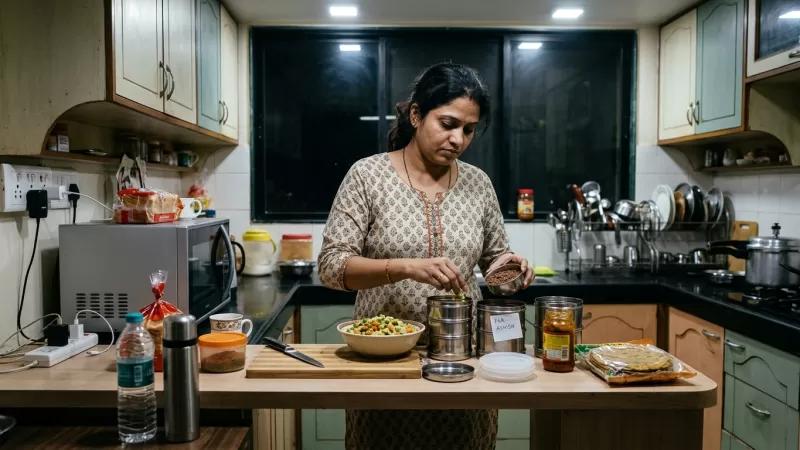
In many Indian homes, the boundaries between work, family, and personal time tend to blur. The living room becomes a workspace during the day, then turns into a spot for evening chai, and finally a late-night TV room. There’s rarely a bell that signals, "You can switch off now." Instead, the rhythm is set by whatever needs doing next—tiffin boxes to wash, uniforms to iron, last-minute office emails, someone’s homework help, or checking in with relatives. Creating daily closure as an Indian adult often takes a back seat to these rolling duties.
The tricky part is, the same devices that help us manage work also keep us in work mode. A Bengaluru professional, for example, might shut their laptop at 7pm, only to reply to a quick message from their boss near midnight. The psychological closure Indian working life needs is hard to come by when the end of the day slips further away with every ping and notification. The expectation—spoken or not—is to handle it all, all the time. Even dinner isn’t always a pause; it’s sometimes eaten in shifts, or in front of a screen, instead of as a clear moment of winding down.
The Real Reasons Indian Adults Struggle to End the Day
The roots of a day that never ends in India are woven into both cultural habits and modern realities. Work-from-home setups mean professional spaces spill into family rooms. Parents juggle work calls and helping kids with maths homework at the same time. Seniors may find their evenings filled with managing household helpers or waiting for everyone to finish their routines so they can lock up.
Family expectations also play a role. In joint families, there’s often no such thing as "my time"—evenings are about shared TV, group chai, or helping with the next day’s meal prep. For many, the last thing done before bed is a household task or a WhatsApp message, not something that signals closure. Sleep routines get pushed later and later as people try to squeeze in their own quiet moment after everything else is done.
Sleep coaches who work with Indian adults often find that the absence of evening rituals is a big reason why psychological closure remains elusive. Most people know rest matters, but nightly routines tend to be inconsistent, improvised, and easily interrupted by a power cut or a late-night call from a relative. There’s always something left to finish, so the mind stays alert, never quite letting go.
Signs Your Day Isn’t Really Over
- Mentally replaying the day in bed. Even after switching off the lights, your mind might run through unfinished tasks or tomorrow’s worries.
- Late-night device use feels necessary, not relaxing. Scrolling Instagram or clearing WhatsApp groups is the last thing done before sleep, more out of habit than enjoyment.
- Eating dinner at odd hours. Meals are not a pause but squeezed in between tasks, sometimes as late as 10:30 or 11pm, especially in urban homes.
- Restlessness or irritability in the evening. Family members may notice snapping or impatience, often because the mind hasn’t shifted gears from "doing" to "unwinding."
- Difficulty recalling what you did for yourself that day. Looking back, it’s hard to pick out a single moment that felt like a satisfying end or personal reward.
Ways to Create a Clear End to the Active Day
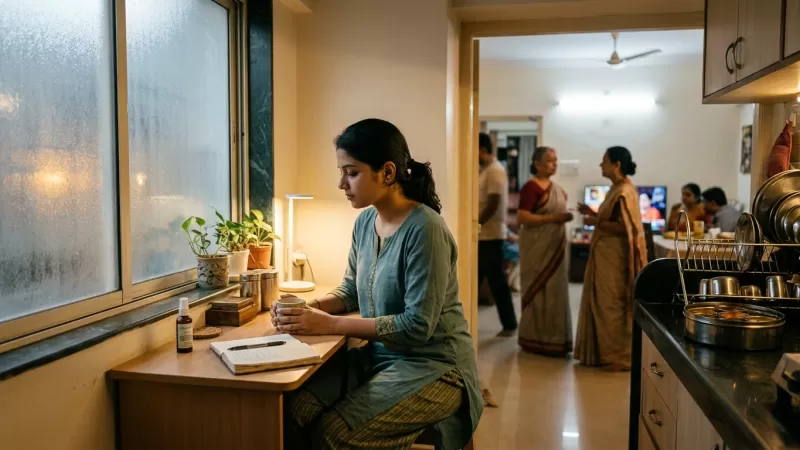
- Designate a closing ritual, however small. Lighting a diya, listening to a soft bhajan, or even just sitting quietly with dahi after dinner can become a signal that the active part of the day is done. It doesn’t have to be elaborate—consistency matters more.
- Set a “last work message” time. On most evenings, decide that after a certain hour (say, 8:30pm), you won’t check work emails or respond to office messages unless truly urgent. This boundary is hard to stick to at first, especially if your team is scattered across time zones, but gets easier with practice. Many families in Indian cities have quietly discovered that this simple rule helps everyone switch off earlier, even if dinner runs late.
- Share a low-pressure, screen-free moment. For some households, this means a walk on the terrace, listening to the night sounds, or chatting over chamomile chai. In others, it could be folding laundry together while talking about anything except chores or work. The point is to give your mind something gentle and different from the rest of the day.
- Physically separate work and rest spaces. Even in a one-bedroom flat, try to pack away laptops and files before dinner. Drape a dupatta over your work chair or move the laptop to a cupboard. Small physical changes help signal to your brain that work is over, even if you’re still in the same room.
- Write down the next day’s worries and tasks. Keep a notepad near your bed. Before you wind down, jot down anything unfinished. This makes it easier to tell yourself, “I’ll handle this tomorrow.” It’s a way to let the day’s mental load rest somewhere other than your mind.
How This Pattern Appears in Indian Daily Routines
On many evenings in Indian cities, lights stay on well past midnight. In one home, the mother finishes her kitchen chores at 10:45pm, only to notice her son’s school shoes need cleaning. Meanwhile, the father is on his phone, replying to one more "urgent" office group message. The TV plays in the background, but no one is really watching. Instead, each person moves from one “last thing” to another—refilling the water bottles for tomorrow, checking the gas knob, sending a birthday wish to a relative in another time zone. The idea of how to end the day in India slips further away with each small, necessary task.
During summer, when the heat lingers late, some adults find themselves sitting outside long after the children have gone to bed, hoping the air cools enough to help them sleep. But the mind is still buzzing, half in the day that just passed, half planning the next. These moments of pause are rare, but when they happen—maybe with a quiet cup of milk or a minute spent listening to the ceiling fan—they can feel like a real ending, however brief.
When It Makes Sense to Seek Support
If you notice that sleeplessness, anxiety, or irritability are becoming a persistent part of your nights, or if your day never seems to end no matter what you try, it’s worth talking to a doctor or counselor. Sometimes, small changes aren’t enough, and that’s okay. Seeking support is just another way to care for yourself and your family.
Common Questions
Every Indian home manages evenings in its own way, but many adults share the same struggles with ending the day. If you’re wondering about how to create closure or why the mind doesn’t easily switch off, you’re not alone. Let’s look at some of the most common concerns, with real-life examples from Indian households.
Why do so many Indian adults feel like their day never truly ends even when they are no longer officially working?
For most Indian adults, the end of the official workday rarely brings actual rest. In many families, the evening is filled with responsibilities—helping children with homework, managing household chores, making late-night calls to relatives, and sometimes continuing work tasks because of flexible hours. The constant blending of professional, family, and social duties means there’s no single moment that signals, “The day is done.” Even after logging off, adults often find themselves mentally on call for both work and home. This ongoing sense of responsibility makes it hard for the mind to switch off.
What are the most effective daily closure habits that create a genuine psychological end to the active day?
Simple, repeatable habits work best. In many Indian homes, lighting a diya, listening to soft music, or sharing a quiet cup of chai after dinner can become the cue that signals closure. Some families have found that writing a short list of tomorrow’s tasks before bed helps the mind let go. For others, a brief evening walk or reading a few pages of a book (instead of scrolling the phone) helps. The most effective rituals are the ones that feel natural and don’t add extra pressure to the evening.
Is the absence of a daily closure ritual connected to the difficulty Indian adults have in falling asleep?
Yes, in many cases, the lack of a consistent closure ritual makes it harder for both the body and mind to transition into restful sleep. When the last moments before bed are spent on stimulating activities—like finishing chores, checking work messages, or watching intense TV—your brain stays alert. Many adults find that even a small, calming habit in the evening (like listening to gentle music or drinking warm milk) helps signal that it’s time to wind down. If sleep issues persist, it’s a good idea to consult a doctor.
How do you create a satisfying sense of daily closure on days that were genuinely unproductive?
Not every day will feel productive, especially when things don’t go as planned. On such evenings, it helps to mark the shift from day to night with a gentle, forgiving ritual—lighting incense, sitting on the balcony for five minutes, or tidying a small corner of the home. The point isn’t to judge the day but to signal, “This day is over.” Many Indian adults find that accepting an unproductive day and still giving it a respectful ending helps the mind reset for tomorrow, rather than carrying guilt into the night.
What is the single most effective daily habit for helping an Indian adult's mind release the day and prepare for genuine rest?
For most people, a consistent, calming ritual—however brief—makes the biggest difference. In many Indian homes, this could be as simple as sitting quietly with a cup of warm milk or herbal tea, without any screens or chores. The act of pausing, in the same way every night, helps the brain recognize that it’s safe to let go of the day. Over time, this small habit often becomes an anchor that signals closure, even on the busiest days.