Have you ever caught yourself hurrying through the day, even when there’s no real reason? Maybe the clock isn’t chasing you, but you still feel a constant urge to move quicker—finishing your chai, speeding up chores, or even rushing through conversations. In many Indian homes, this invisible hurry creeps in quietly. It’s not always about traffic jams or deadlines. Sometimes, it’s a subtle inner pressure that builds up over months or years—a feeling that you must keep moving, even when nobody is asking you to.
Noticing the Invisible Pressure
Most people don’t talk about this kind of rushing. You might wake up on a Sunday, with nowhere to go, and still feel tense as you fold laundry or chop vegetables. It’s easy to brush off, thinking, “Everyone’s busy these days.” But if you notice that your mind is always one step ahead—planning dinner while eating lunch, or worrying about tomorrow while getting ready today—it might be time to pause and notice what’s really happening.
It isn’t always about having too much to do. Sometimes, it’s just a habit of the mind. Over the years, many of us get used to a certain pace—especially if we grew up watching our parents multitask, or if our routines are built around school schedules, office hours, and never-ending WhatsApp messages.
There’s no shame in it. But it can leave you feeling tired, disconnected, or even a bit lost sometimes. That’s usually when you start wondering, “Why am I rushing? What am I hurrying towards?”
Common Signs of Unnecessary Rushing
You might ask, how do I know if I’m rushing without reason? Sometimes, it’s obvious—like dropping things often or feeling breathless after simple tasks. Other times, it’s more subtle. Here are a few things people quietly notice:
- Frequently checking the clock, even when there’s no urgent task.
- Skipping small joys—like enjoying a full cup of tea or chatting with a neighbor—because you want to “get things done.”
- Feeling irritated by minor delays, such as waiting for the pressure cooker’s final whistle.
- Difficulty sitting still, even when you’re free.
These patterns show up in all kinds of families—joint or nuclear, city or small town. And honestly, they’re more common than you think.
Understanding Where the Pressure Comes From
It’s tempting to blame work deadlines or traffic, but often, this habit goes deeper. Maybe you grew up in a house where being idle was frowned upon, or you absorbed the idea that “good” people are always busy. Some of this is cultural, shaped by years of watching our parents and relatives keep themselves occupied, rarely sitting down for a breather.
Modern life adds its own layer. Smartphones buzz all day, and social media shows everyone else “achieving” something. Even during festivals or family gatherings, there’s a quiet expectation to keep things moving—serving snacks, managing guests, cleaning up quickly. It’s easy to internalize this constant motion as the right way to live.
But here’s the catch—when this invisible pressure becomes your default, you start missing out on the gentle, unhurried parts of life. And sometimes, you don’t even realize it until you’re too exhausted to enjoy them.
Small Adjustments for a Steadier Pace
The good news is, you don’t have to overhaul your entire routine. Steadier pacing often comes from a few simple, calming changes that fit naturally into everyday Indian life. You might find these more helpful than complicated routines or strict time management systems.
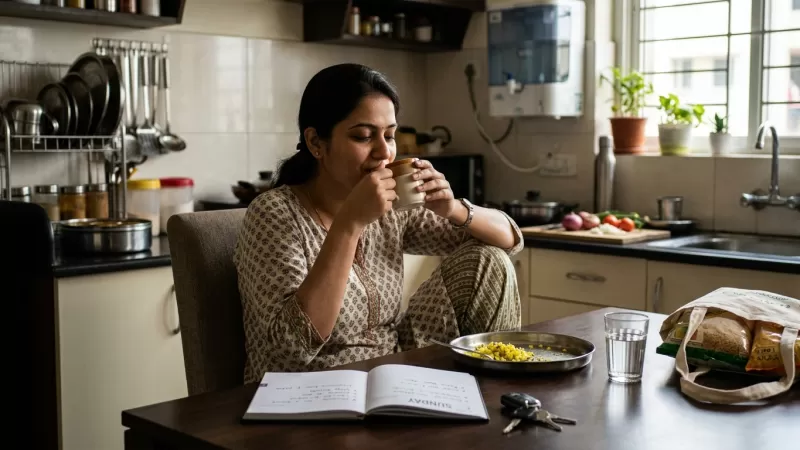
- Try starting your morning 10 minutes earlier, just to sit quietly with your tea or coffee. No phone, no news—just the sound of the fan, or birds outside the window.
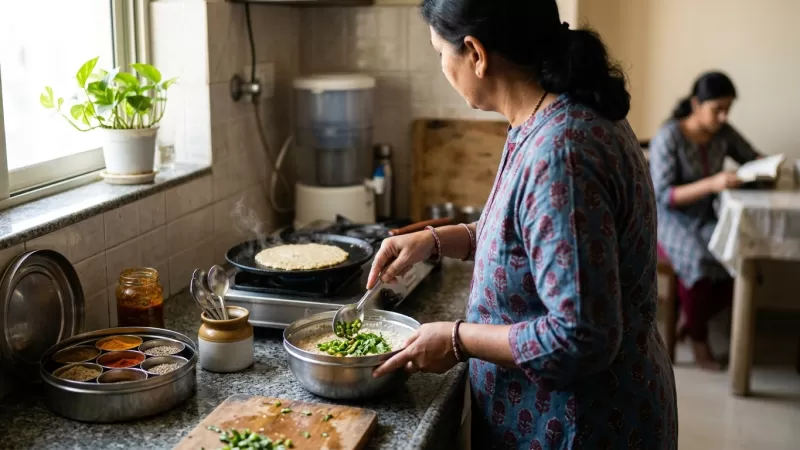
- When preparing dal or sabzi, allow yourself to focus only on the task at hand. Notice the smell of tadka, the rhythm of chopping, the warmth rising from the stove.
- Build in one tiny pause between activities—maybe after lunch, before you get up to clean, just sit for two minutes, eyes closed or looking out the balcony.
These aren’t dramatic changes. But over time, they gently slow your inner pace.
How Indian Routines Can Actually Help
Sometimes, routines get blamed for making life feel robotic. But in many Indian homes, familiar routines can actually offer calm and steadiness—if you use them thoughtfully.
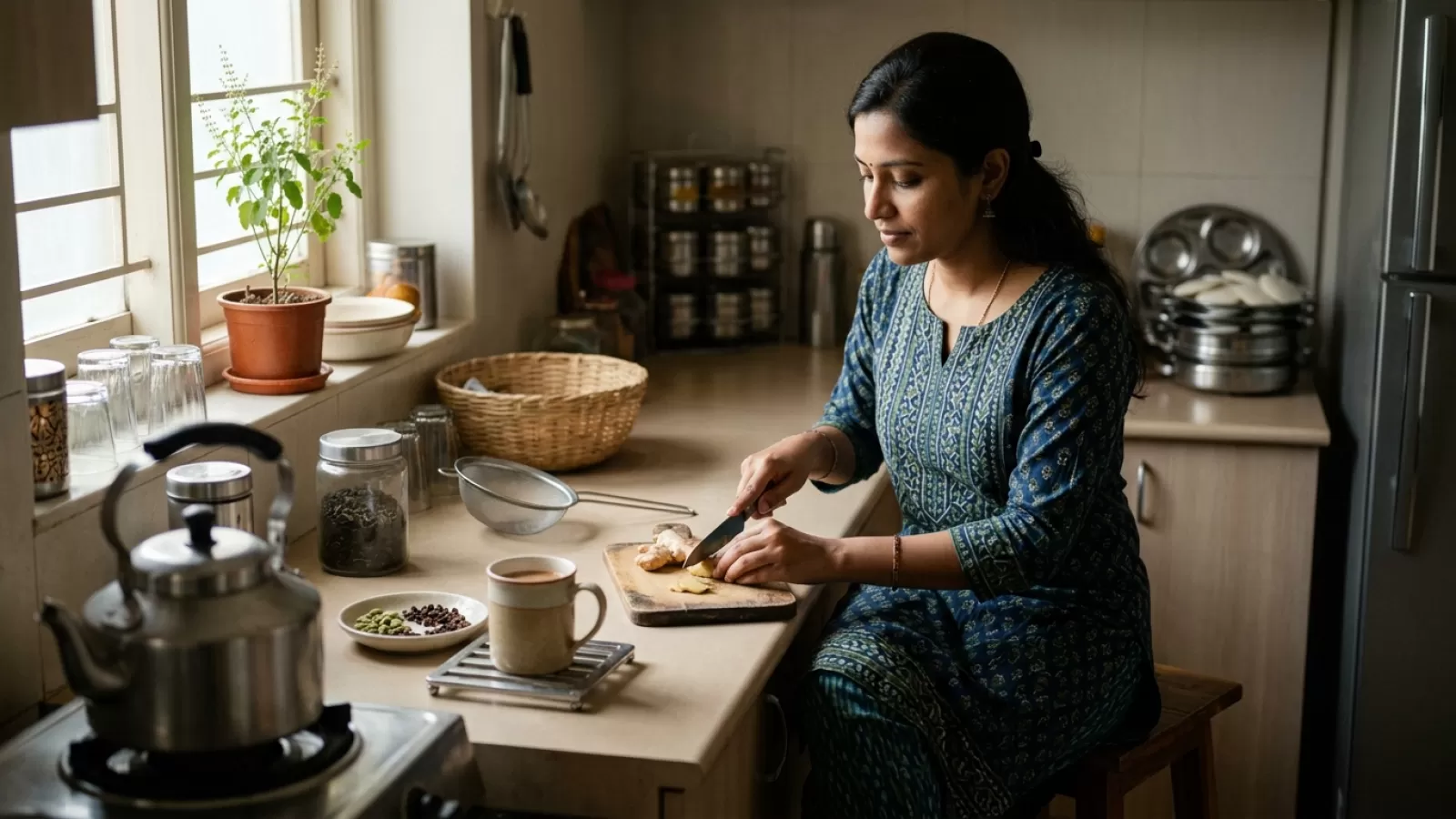
For instance, the ritual of evening chai, lighting a diya, or even folding clothes after they dry in the sun—these can become anchors that slow you down, if you let them. It’s about bringing your full attention to the moment, rather than treating it as something to rush through.
Some families use meal times as gentle pauses. Sitting together, even for 15 minutes, without distractions, helps everyone catch their breath. And if you live alone, you can still mark these moments—maybe by playing soft music, or simply taking a longer breath before starting to eat.
Learning to Say “Not Now”
This one can be tricky, especially if you’re used to putting others first. But sometimes, the healthiest thing you can do is quietly tell yourself, “Not now.” That might mean letting a phone ring for a moment while you finish your meal, or leaving a small chore for later instead of jumping up immediately.
It isn’t about laziness. It’s about respecting your own pace. Many people feel guilty at first, especially homemakers who are used to being “on call” all day. But with practice, you realize that most things can wait a few extra minutes without any real trouble.
And if someone questions you? Just be honest—“I’ll do it in a bit.” You might be surprised at how little anyone minds.
What to Do When Slowing Down Feels Impossible
There will be days when every effort to slow down feels pointless—festivals, exam weeks, or just those naturally busy times when life refuses to cooperate. On such days, even the smallest pause can seem out of reach.
That’s normal. No one can move at the perfect pace all the time. The goal isn’t to become a saint of stillness, but to remember that you can return to steadier habits when things settle down again.
When things get overwhelming, sometimes the best you can do is take a deep breath at the kitchen sink or close your eyes for a moment before bedtime. Even these small pauses matter.
Steady Pacing and Self-Compassion
One of the most overlooked aspects of a calmer pace is being kind to yourself. It’s easy to get frustrated when you slip back into rushing, or when family members don’t seem to notice the pressure you’re under.
Try not to judge yourself harshly. You’re dealing with years of habit, not just a bad week. Some days will be better than others. Over time, you’ll notice more moments when you can simply be present—watching the rain, enjoying a slow breakfast, sitting with a loved one in comfortable silence.
And if you forget for a while, that’s okay. There’s always a chance to try again tomorrow.
When to Seek Extra Support
Most of the time, gentle changes and self-awareness are enough to support a steadier daily flow. But if you find that rushing is leading to persistent anxiety, sleepless nights, or a feeling that you can’t cope, it might help to talk things over with a trusted friend, family member, or even a professional counselor.
There’s nothing weak or shameful about asking for help. Many people, especially seniors and busy professionals, quietly deal with these feelings for years without saying a word. Sometimes, just sharing your experience can lighten the load.
Remember—life in India, with its festivals, family ties, and daily routines, is full of built-in opportunities to slow down. You don’t have to do it perfectly. Just notice the moments when you can, and give yourself permission to enjoy them. Even a single, unhurried breath can be a good place to start.