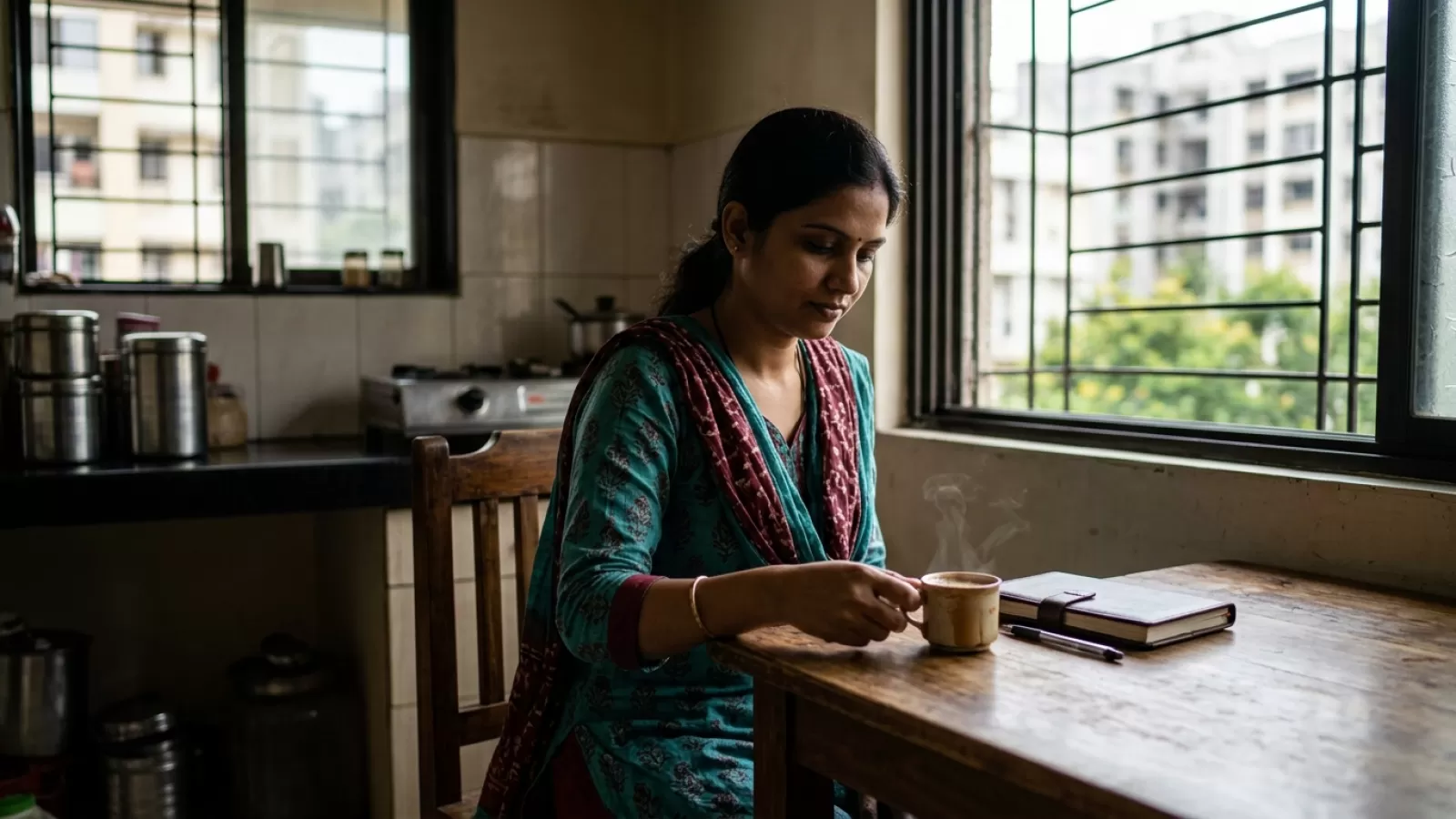
There’s something about money worries that quietly follows you around—from the moment you wake up to when your head hits the pillow. In many Indian homes, even a small unexpected expense can make everything feel heavier. The mind keeps counting bills, even during your chai break or while folding laundry. But here’s the thing: while you might not always control what comes in or goes out, you can shape how you move through your day. Reliable, comforting routines—rooted in our own household habits—often help keep that sense of panic at bay, even when the budget is tight.
The Weight of Money on a Busy Indian Day
It’s not just about numbers on a page. Money stress can make mornings feel rushed and evenings restless. You may notice your patience running thin, or your mind wandering during small moments—like when packing tiffins or chatting after dinner. This anxiety tends to sneak into family conversations, and sometimes, even into your sleep.
Here’s the tricky part: Indian families often don’t talk openly about these worries. Still, you’re not alone if you sometimes feel overwhelmed by the endless list—school fees, groceries, electricity, small repairs, and those sudden festival expenses. Many quietly juggle, hoping things will settle next month.
But while the financial situation may take time to improve, your daily habits can be a steady anchor. They give you a sense of rhythm, something familiar to fall back on—like the way dal-chawal can feel comforting even when nothing else goes as planned.
Why Grounding Habits Actually Help
There’s a reason our elders have always valued routine. When life feels shaky, the small things you do every day—no matter how simple—offer a kind of quiet reassurance. You already know this deep down. Think of the calm after lighting a diya in the evening, or the peace in a slow cup of tea before the children are up.
These routines aren’t about ignoring problems. They’re about giving your mind a gentle rest, a pause from constant worrying. When you keep up with a few steady habits, it’s easier to make decisions and respond to challenges without feeling so scattered.
- Simple rituals remind you that not everything is out of your hands.
- Predictable mealtimes and chores create a sense of normalcy, even when budgets are tight.
- Shared family moments—like folding clothes together or evening walks—give small pockets of joy that money can’t buy.
Start with the Morning: Building a Calm Foundation
How you begin your day sets the tone for the hours ahead. In many households, mornings are chaotic—especially if you’re working, managing children, or caring for elders. But it’s still possible to create a tiny pocket of calm, even if it’s just five minutes.
Some families find that a quick prayer, a few stretches, or just sitting quietly with chai helps ground them before the day’s rush. You might lay out the day’s clothes the previous night, or soak dal before bed to save a few precious minutes in the morning.
The key isn’t perfection—it’s consistency. Even on busy days, a small morning ritual can remind you that there’s more to life than bills and deadlines.
Practical Routine Ideas for Anxious Months
These days, with prices going up, many families quietly adjust their routines to suit tighter budgets. Here are a few ways to gently ground your day, no matter what’s happening outside:
- Meal Simplicity: Rely on basic, filling foods like dal, rice, and seasonal sabzis. Rotate recipes so you don’t feel bored, but don’t pressure yourself to make elaborate spreads every day.
- Chore Rhythm: Assign small, regular tasks to each family member. Even children can help with simple chores, which lightens your load and gives a sense of shared purpose.
- Evening Pause: After dinner, step out to your balcony or terrace for a few minutes. Watching the sky change or feeling the evening breeze can do wonders for your nerves.
- Budget Check-in: Instead of obsessing daily, pick one fixed day a week to review expenses, preferably together with your spouse or family member. This limits worry to a set time and keeps it from spilling into every conversation.
Remember, these aren’t rules—just gentle suggestions. Pick what suits your home and let the rest go.
The Power of Small, Shared Family Moments
There’s a quiet strength in doing things together, especially during tough times. Many Indian families find comfort in evening prayers, reading aloud, or simply sitting together after dinner. These don’t have to be formal or time-consuming. Even a shared cup of milk before bedtime can be grounding.
You might notice that when everyone in the house follows a familiar rhythm, the mood becomes lighter. A small joke over roti, a shared laugh during chores—these moments remind you that you’re not alone in facing daily challenges.
It helps to be kind to yourself and others. On days when tempers run short or someone forgets a chore, let it go. The point is not to add more pressure, but to create a thread of togetherness through the day.
Making Space for Yourself (Even in a Full House)
In joint or small families, finding quiet time can seem impossible. There’s always someone calling, a phone beeping, a pressure cooker whistling in the background. But it’s important to carve out a few moments just for yourself—no matter how busy things get.
This could be as simple as sitting with your thoughts for two minutes after lunch, listening to a favorite old song, or watering your plants. The mind needs short breaks from constant responsibility. If you find your thoughts turning to money worries, gently bring them back to what’s in front of you—the smell of your chai, the feel of cool water, the sound of birds outside.
Here’s the catch: it’s easy to dismiss these moments as a waste of time. But in reality, tiny pauses throughout the day can actually help you think more clearly and calmly about whatever comes next.
Managing News, Social Media, and Comparison
These days, phones and TVs bring a constant stream of news—often about rising prices, job losses, or someone’s big new purchase. It’s natural to feel anxious or even a bit jealous at times. The problem is, too much comparison can make you forget the small joys already present in your own home.
It’s okay to take breaks from news and social media, especially during stressful months. You can set a fixed time to check updates, then put the phone away during meals or family time. Many people find that after a few days, their mind feels less crowded and more present.
Instead of scrolling late at night, maybe return to an old habit—reading a book, chatting with a family member, or just sitting in silence for a few minutes before bed. These small changes often bring more peace than any outside update.
When You Feel Overwhelmed: Gentle Reminders
Some days, no matter what you do, the anxiety just refuses to leave. You might feel tired, irritable, or even a bit hopeless. This is more common than you think—many families quietly deal with these ups and downs.
In those moments, it helps to remind yourself that this phase, like all others, will pass. You’ve weathered storms before. Sometimes, all you need is a short break—a walk, a quiet prayer, or a chat with a trusted friend—to reset your mind.
If you make a mistake, overspend, or snap at someone, try not to be too hard on yourself. Life isn’t a perfect budget or a flawless routine. It’s the small efforts, repeated daily, that eventually bring a sense of steadiness—even when money is tight.
And remember: you are not your worries. You are much more than the bills and the budgets. Even on the toughest days, there is comfort to be found in the familiar habits of home.