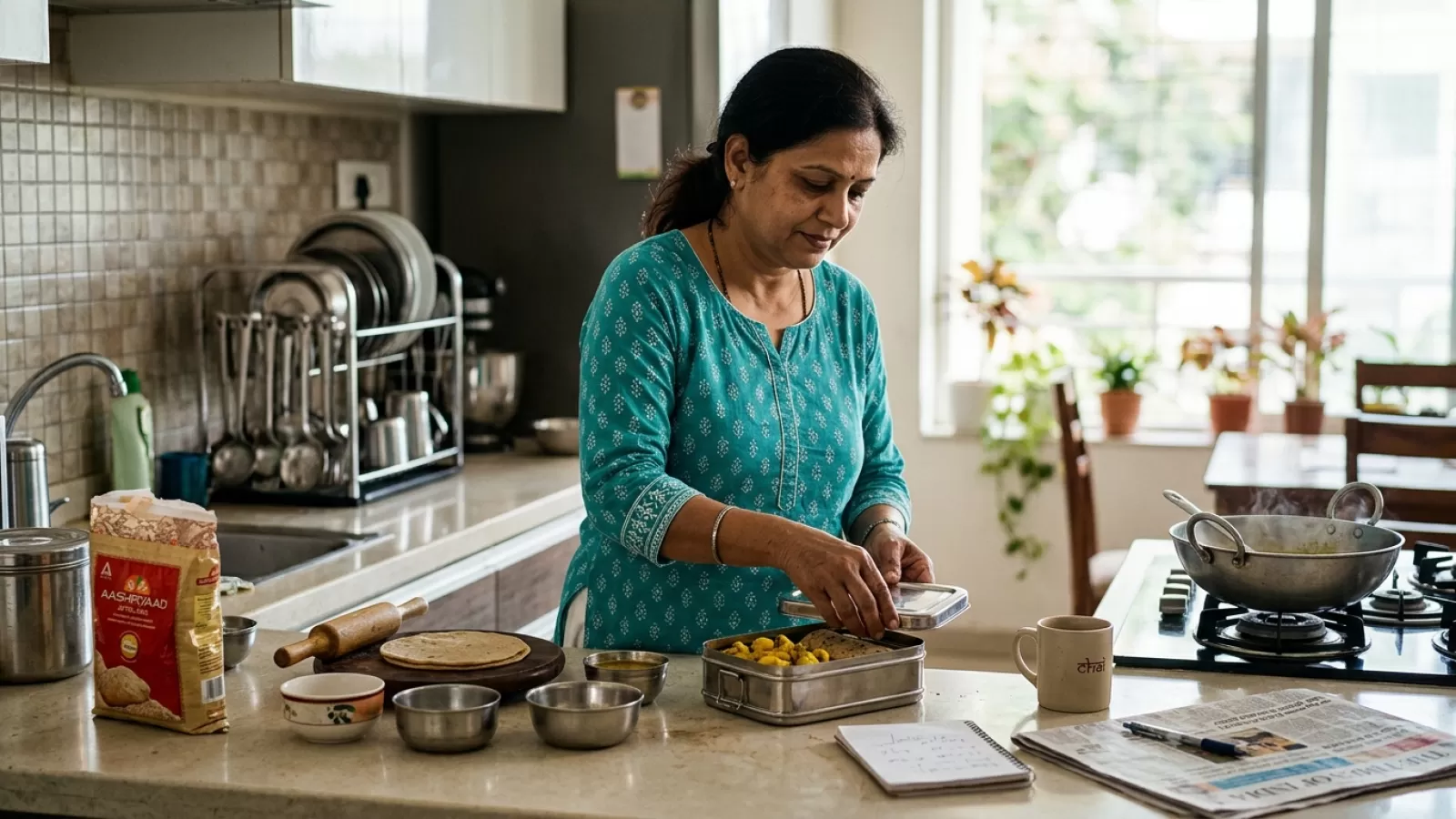
Have you ever tried to follow one of those "perfect" daily routines you see online—only to feel like you’re constantly falling behind? In most Indian homes, the reality is far from picture-perfect schedules. Someone’s always ringing the bell, the pressure cooker whistles at odd times, and plans change with a single WhatsApp message. Rigid routines just don’t survive the unpredictability of real family life. But that doesn’t mean you can’t have a daily flow that grounds you and keeps things manageable, even when life is a bit messy.
Why Strict Schedules Rarely Work at Home
Let’s be honest—time blocking your entire day down to the hour sounds lovely but tends to fall apart quickly in most Indian households. There are too many moving parts: school buses running late, sudden guests at the door, power cuts, or just a family member needing help at the last minute. These interruptions aren’t problems to fix; they’re simply how many homes function.
You’ve probably noticed, even if you set alarms and plan your morning in detail, one small change—a child’s forgotten tiffin box, a late Zoom call—can have a domino effect. That’s why routines built around rigid timing often leave people feeling guilty or anxious when they can’t keep up. The tricky part is, none of this is your fault. Life at home is just unpredictable sometimes.
Instead, a flexible daily flow—anchored by habits rather than the clock—tends to fit better with the rhythm of Indian life.
Building Your Day Around Familiar Anchors
Think about the natural anchors that already exist in your day. For many families, these are things like chai time, meal prep, school drop-offs, or a regular evening walk. These moments offer a sense of structure, even if the exact time shifts from day to day.
- A morning cup of tea or coffee, often shared with family.
- Preparing breakfast and packing tiffins.
- Lunchtime, usually around the same window.
- Evening snack or tea break, sometimes the only real pause in a busy day.
- Family dinner—often the main time to sit together.
When you start to think in terms of these anchors, it becomes easier to slot other activities (work, errands, rest) around them, instead of forcing everything into fixed time slots.
Identifying What Actually Needs Routine
Not everything in your day has to be tightly scheduled. In fact, some tasks work better with a little flexibility. It helps to separate what genuinely needs a regular spot from what can float around your anchors.
For many people, these things benefit from a routine:
- Meals and snacks (your body likes regular fuel)
- Household chores that pile up if ignored, like sweeping or washing clothes
- Basic self-care: bathing, brushing, a few minutes of quiet time
- Essential work tasks with deadlines
Other things—like reading, extra cleaning, hobbies—tend to fit best in the in-between spaces or on quieter days. Giving yourself permission to let some tasks wait is often healthier than constantly chasing a perfect checklist.
Keeping It Simple: The “Next Best Step” Idea
Here’s a gentle approach that works in many busy homes: Instead of chasing the entire schedule, focus on the next best step. After you finish one anchor (say, breakfast), ask yourself, “What’s the next thing that matters?”
This could be:
- Clearing the kitchen before it gets overwhelming
- Taking a 10-minute breather before work calls begin
- Laying out vegetables for lunch prep while kids get ready for school
Some days, the "next best step" is just sitting down for a few minutes. That’s okay too. The real benefit is that you’re responding to what’s needed, rather than feeling stuck or guilty about what didn’t get done earlier.
Dealing with Distractions and Interruptions
When everyone is home—especially these days with more work-from-home or hybrid setups—distractions are everywhere. Doorbells, phone calls, relatives dropping by, even the urge to check social media… it all adds up.
Most families quietly deal with these interruptions by accepting them as part of daily life. Instead of fighting every distraction, it often helps to build in small “catch-up” moments. For example, after a long phone call, you might simply pause, stretch, and ask yourself what you need to do next, rather than scrambling to make up for lost time.
Gentle boundaries—like a closed door during work calls, or a set tea break—can help signal to others (and yourself) that you’re focused, but it’s never perfect. If you’re feeling frustrated, you’re definitely not alone.
Balancing Family Needs and Personal Space
In joint or even small families, everyone’s preferences and routines overlap. This can make it feel like there’s never a quiet moment or enough “me time.” Still, a little bit of planning can help.
- Try to claim a small window—early morning or late evening—just for yourself. Even 10-15 minutes of quiet can help you reset.
- If you share household chores, talk openly about what each person prefers or finds manageable. A simple rotation or assignment can reduce confusion.
- During festivals or busy weeks, let some tasks slide. The world won’t end if you skip deep-cleaning once in a while.
It’s perfectly normal to feel stretched thin now and then. The aim isn’t perfection—it’s just finding a balance that works most days.
Adapting to Seasons and Life Changes
Indian routines naturally shift with the seasons. In summer, mornings may start earlier to beat the heat, while winter evenings often stretch out with a little more family time. School vacations, festivals, and health issues also nudge routines in new directions.
Rather than resisting these changes, it usually works better to adjust your daily flow. For example, you might move some chores to cooler parts of the day in May, or plan simpler meals during busy festival weeks. If someone in the family is unwell, giving yourself permission to do less is a kindness, not a failure.
The main thing is to notice what’s working and what’s not, and tweak your routine gently—without expecting to get it “right” all the time.
Letting Go of Toxic Productivity
There’s a lot of pressure these days to be endlessly productive, even at home. Social media is full of people showing off their color-coded planners, spotless kitchens, and elaborate workout routines. It’s easy to feel like you’re not doing enough.
But here’s the catch: Most families have days when nothing goes as planned. The kitchen stays messy, someone is cranky, and you don’t tick off half your list. That’s simply real life. The healthiest routines are the ones that help you feel steady—not the ones that demand more from you every day.
If your current system leaves you feeling tired, irritable, or guilty, it’s probably time to try a gentler approach. Remember, there’s no prize for having the busiest or most organized day.
Small Steps to a Smoother Daily Flow
No one can control every part of their day, but a few gentle habits can make things smoother:
- Start with a simple morning anchor, like chai or a quiet prayer, before jumping into chores or work.
- Batch similar tasks together—like folding laundry while listening to music, or prepping veggies for two meals at once.
- Pause after each major anchor (meals, work sessions) to reset, even for just a minute.
- End the day with a calming ritual—maybe a short walk, a light chat with family, or a few pages of a book.
Over time, these small practices build a sense of rhythm, even when the rest of life stays unpredictable.
So, if your routine feels like it’s falling apart, you’re not alone—and you’re not failing. Life at home is rarely tidy, but with a few gentle anchors and a flexible mindset, you can find a daily flow that works more often than not.