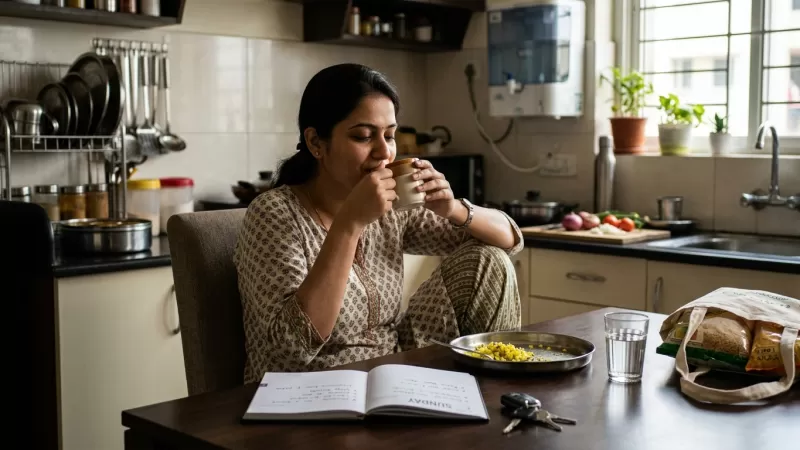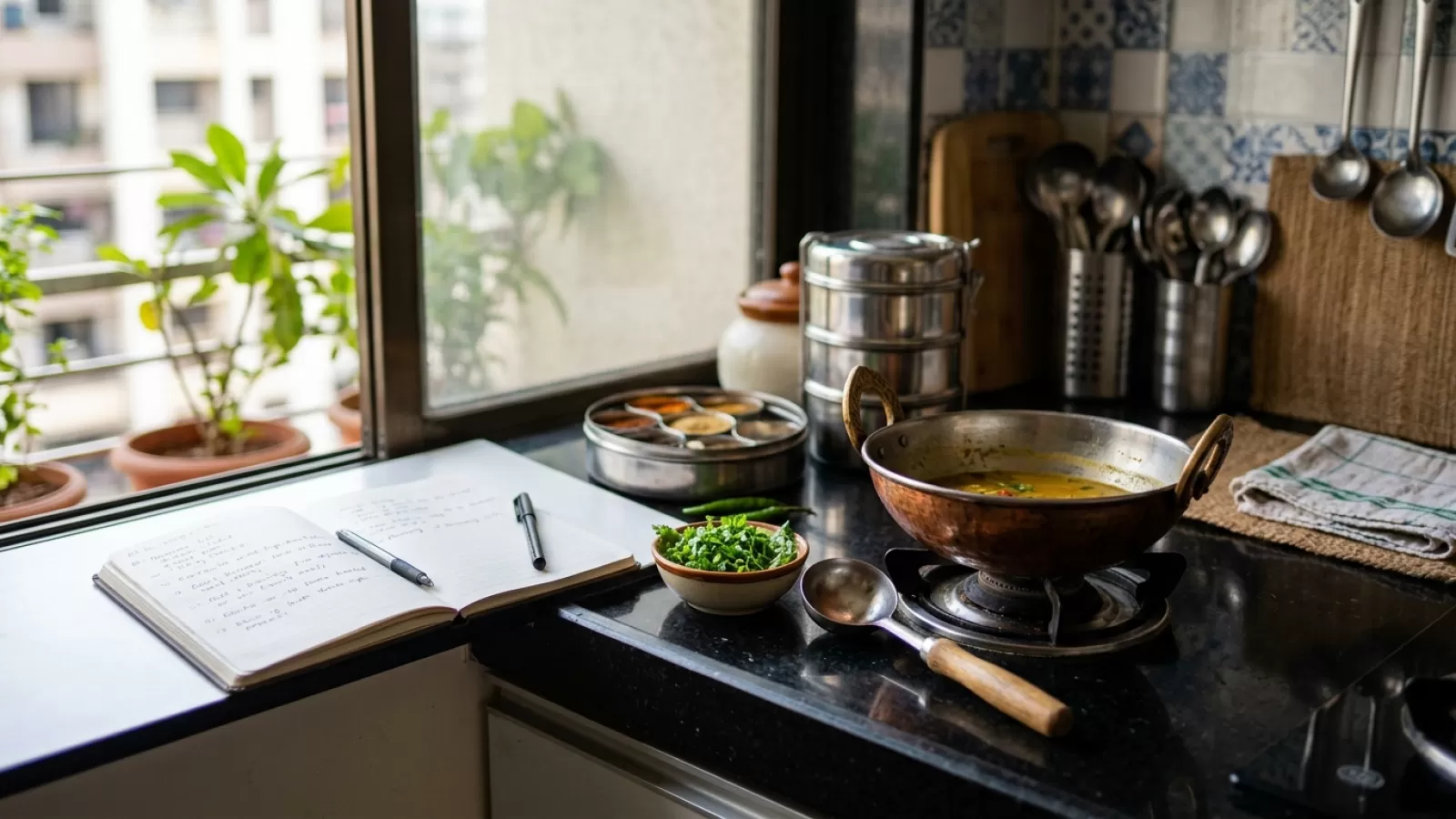
Some days just slip by, don’t they? You don’t feel frantic, but by evening, there’s a quiet tiredness you can’t quite explain. Maybe you’ve managed the lunch dabba, checked off work calls, kept an eye on your parents’ medicines, and helped a child with homework. It’s not dramatic, just that steady hum of responsibilities—no real crisis, but not much room left for yourself either. In many Indian homes, this kind of quiet busyness is almost the norm, especially now when families are juggling more things from home or blending office work with household routines.
What Does "Quietly Busy" Even Mean?
It’s easy to spot a stressful day—missed deadlines, arguments, or racing to the hospital. But many days don’t bring obvious stress. Instead, it’s the gentle, uninterrupted flow of small tasks: cooking, phone calls, emails, dusting, helping someone find their socks, sorting out a bill, watering the tulsi plant. You’re not running around, but you’re rarely still.
This sort of day can leave you mentally tired without any particular story to tell. You might hear yourself saying, “I didn’t even do anything big today, but I still feel drained.” That’s the quietly busy feeling. It sneaks up on students, homemakers, professionals, and seniors alike, especially in joint families or small flats where everyone’s routines overlap.
There’s nothing wrong with being quietly busy. But if it’s every single day, it can eat away at your inner calm. And that’s when routine balance becomes important—not to overhaul your life, but to make space for your mind to breathe, even in the middle of your regular flow.
Noticing the Invisible Load
One reason quietly busy days feel heavy is because much of it is invisible work—remembering a neighbour’s birthday, keeping track of the gas cylinder booking, knowing when to buy fresh coriander. These are things that often go unacknowledged, but they fill up your mental space.
You probably don’t get much credit for these tasks, even though they keep your home running smoothly. And sometimes, you might even forget that you’re doing them. That’s the catch—it’s easy to ignore your own effort when the work is so woven into the routine.
Here are a few signs you’re carrying an invisible load:
- You feel tired for no clear reason.
- Your mind keeps jumping from one small worry to another.
- At night, you suddenly remember five things you forgot.
- You find it hard to sit quietly, even for ten minutes.
Just noticing that you’re carrying this load can make a difference. It’s not about blaming anyone; it’s about giving yourself quiet credit for what you do.
Making Small Spaces in Your Routine
When the day is packed with steady, low-level responsibilities, finding big chunks of “me time” can feel impossible. Here’s the truth: you don’t always need a full hour to yourself. Even five or ten minutes, used well, can help your mind reset.
Some small spaces people quietly create during the day:
- Sitting with your tea in silence, even if just for five minutes before everyone wakes up.
- Closing your eyes while waiting for the pressure cooker to whistle.
- Listening to a favourite song while folding clothes.
- Spending a few minutes talking to a plant on your balcony.
These aren’t big activities. Yet, they help you pause, even if briefly. Over time, these small spaces act like little cushions for your mind, softening the steady pressure of daily tasks.
Choosing Gentle Priorities
On quietly busy days, it’s tempting to try and do everything, just to keep the peace. But sometimes, letting go of a few non-essential things actually helps the whole house feel lighter. Not everything needs to be perfect. In fact, in most Indian homes, families survive just fine when the bed isn’t made perfectly or when the sabzi is a little less spicy.
Try picking just two or three things that absolutely must get done in a day. The rest can wait or be shared. It’s not laziness. It’s just practical. You might notice that when you’re less strict with yourself, others in the family also start to relax.
Of course, some days it’s harder to let go, especially if you’re used to keeping high standards. But life at home isn’t a competition. It’s okay if the clothes stay in the basket for another day or if you order food on a busy evening.
Blending Movement Into Your Day
When you’re quietly busy, it’s easy to spend the whole day on your feet without actually moving much—just shuffling from the kitchen to the living room, or sitting at a desk for hours. The tricky part is, this kind of movement doesn’t really energise your body or clear your mind. In fact, it can make you feel even more sluggish.
That said, you don’t need a formal exercise routine to feel better. Instead, try weaving in small, gentle movements throughout your regular tasks. For example, stretch your arms overhead while waiting for the kettle to boil, or roll your shoulders after a long phone call.
Some ideas to try:
- Take the stairs once or twice a day, if you live in a building.
- March in place while watching the news or listening to bhajans.
- Do a few gentle neck rolls before starting your next task.
- Walk to the local market instead of taking the scooter for very short distances.
It’s not about burning calories; it’s about giving your body a little stretch, a little change. Many people find that even these small physical movements help break up the mental monotony of quietly busy days.
Reframing Meals as Pauses
In many Indian homes, meals are more than just food—sometimes, they’re the only real breaks in the day. But with everyone’s routines slipping and sliding (late dinners, rushed breakfasts, online meetings), it’s easy to just eat on the go. Over time, this can make you feel even less connected to your own needs.
Making mealtimes into actual pauses—even if just for 15 minutes—can help you reclaim a sense of balance. It doesn’t have to be elaborate. Even if you eat alone, try sitting at the table, putting your phone aside, and tasting your food.
If possible, invite someone to join you, even if it’s just for a few minutes. Shared meals, even short ones, are a quiet way to connect and reset. And if it’s just you at home, maybe light a candle or play a bit of music. These small rituals can turn the act of eating into a real break, not just another chore.
Handling Guilt and Comparison
Let’s be honest, guilt is common. You might wonder if you’re doing enough, especially if other people seem to manage more, or if social media is filled with perfectly organised homes. The truth is, quietly busy days don’t always look impressive from the outside. But that doesn’t mean your effort isn’t valuable.
Comparison can quietly seep in, especially in joint families or apartment complexes where everyone seems to notice each other’s routines. You might think, “If she can make three sabzis and still go for a walk, why can’t I?” But every home is different, every person’s energy is different, and every season of life brings its own pace.
It helps to remember that your worth isn’t measured by how busy or efficient you look. If some days feel less productive, that’s okay. Many families quietly deal with these ups and downs—it’s just not something people talk about loudly.
Asking for Quiet Support
Sometimes, the hardest part of balancing quietly busy days is asking for help—especially if you’re used to managing things silently. But support doesn’t always have to be dramatic. It could be as simple as asking your spouse to chop vegetables, requesting your children to put away their shoes, or letting a neighbour know you’re feeling a bit stretched.
These small gestures can make a bigger difference than you might expect. You’re not alone in feeling the weight of steady responsibilities. In many Indian families, there’s an unspoken understanding that everyone chips in when needed. It’s okay to gently remind others to share the load, even if you have to repeat yourself a few times.
And if you’re on your own, support can also come from outside—maybe a phone call with a friend, or even a quiet chat with the local shopkeeper. Sometimes, just being seen and heard is enough to make a quietly busy day feel lighter.
Letting Quiet Days End Quietly
After a long, quietly busy day, it’s tempting to fill the evening with TV, scrolling, or even more tasks. But if you can, allow your day to end with a sense of quiet—maybe a short walk on the terrace, a warm bath, or a few pages of a book. No need for grand routines.
Some people find that a simple nightly ritual, like lighting a diya or chatting about the day with a loved one, helps draw a gentle line between the day and the night. Others just sit with a cup of milk and look out the window. Find what feels calming for you.
The point isn’t to achieve perfect balance every day. It’s to give yourself permission to rest, even when there’s more to be done. Some days will be busier than others, but with small, thoughtful pauses, you can protect your mental space—even in the middle of all that quiet busyness.