Keeping up with a healthy routine often feels like trying to balance a heavy thali—there’s always the risk of something slipping off. Many people start with strict health challenges or extreme promises, but a few days later, real life steps in: deadlines, family needs, festivals, and just plain tiredness. The good news is, there’s a much gentler, more practical approach for Indian households to build healthy habits that actually stick.
Why Rigid Routines Rarely Work Long-Term
It’s tempting to believe that strict schedules and big resolutions—like “no rice for a month” or “walk 10,000 steps daily”—will instantly transform your health. But in many homes, these rules last only as long as motivation holds out. Once a late night happens, a guest arrives, or the weather turns too hot, everything falls apart. You’ve probably noticed that the guilt that follows can be heavier than the habit itself.
Here’s the catch: Life in India is full of unpredictable moments. School holidays, power cuts, family gatherings, or even a sudden craving for samosas on a rainy evening. Rigid routines don’t leave room for these small joys or interruptions, so they often set us up for disappointment. A kinder approach tends to work better, especially in busy households or when you’re juggling work and family.
Start Small and Make It Familiar
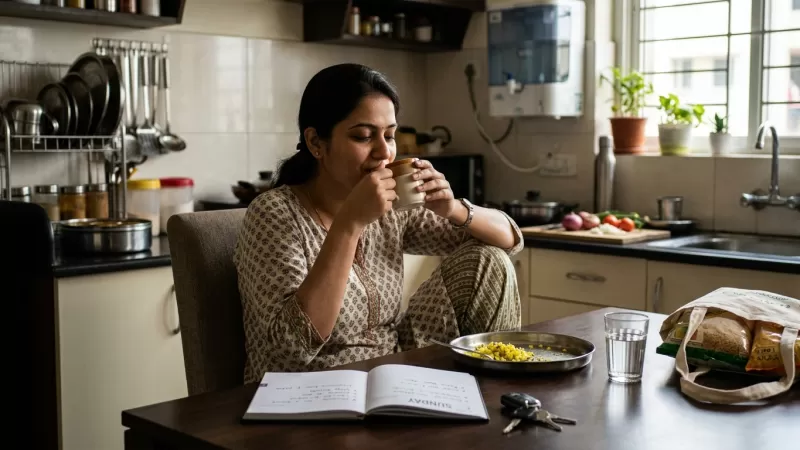
The easiest way to bring in new habits is to tie them to things you already do. For instance, if you usually have chai at 5 pm, try having a fruit or a handful of roasted chana with it. If you’re used to watching TV after dinner, maybe do a few gentle stretches or walk around the house during the ad breaks.
Trying to overhaul your entire day at once rarely works. Instead, pick one or two small changes and stick to them for a week. Here are a few ideas that fit naturally into Indian routines:
- Drink a glass of water as soon as you wake up, before your morning chai.
- Switch one roti at dinner to a bajra or jowar roti a couple of times a week.
- Stand and fold laundry or chop vegetables instead of sitting, just to add movement.
These changes feel less like rules and more like gentle nudges.
Plan for Real-Life Obstacles
Almost every family faces disruptions: a child’s exam, an unexpected guest, power cuts in summer, or extra work at the office. If your habits can’t bend a little, they’ll break. That’s why it helps to expect these moments, not fight them.
For example, if you usually go for a walk in the evening but it’s raining, maybe you can walk around your building’s corridors or do some light stretches indoors. If you miss your morning fruit, have it in the evening instead. Flexibility is your friend.
It’s also useful to have a plan for when things don’t go perfectly. That way, you don’t feel like you’ve “failed.” Many families quietly deal with these situations by simply picking up where they left off, rather than starting from scratch each time.
Embrace Gentle Accountability
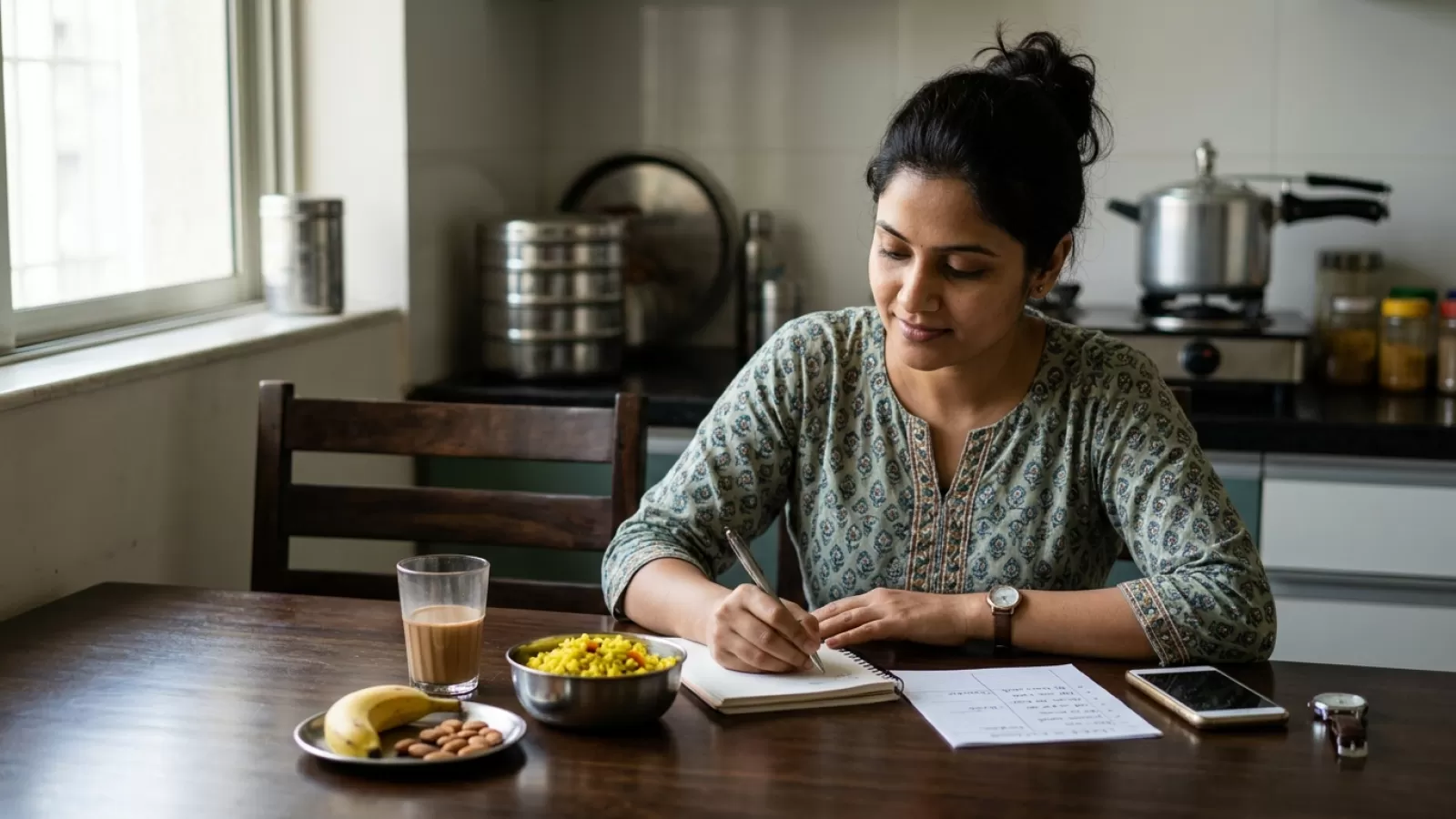
Some people like strict trackers or apps, but for many, they turn into another burden. In Indian homes, a calendar near the kitchen, a WhatsApp group with cousins, or even a simple verbal check-in with your spouse can be enough to remind you to stick with a habit.
The goal isn’t to punish yourself for missing a day but to gently notice what’s working and where you’re slipping. If you find yourself skipping your evening walk three days in a row, maybe your timing is off or the walk feels too long. Adjust, don’t abandon.
Here are some gentle methods that work for real people:
- Mark a smiley on the calendar each day you do your chosen habit.
- Share a short message with a friend or family member (“Had my fruit today!”).
- Keep a small notebook near your bedside to jot down what went well.
Make Healthy Habits Social
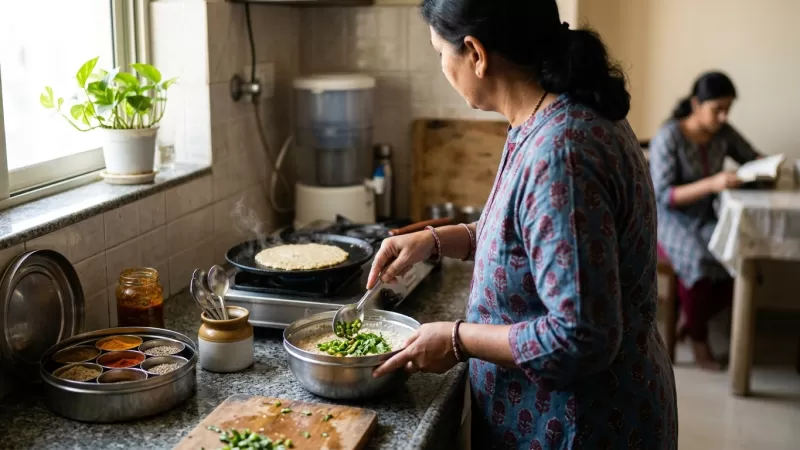
In many Indian families, food and movement are communal activities. Sharing sabzi at the table, taking a stroll with neighbours, or cooking together can all be opportunities to reinforce healthy habits—without making it feel like a chore.
For example, can you involve your children in chopping vegetables or kneading dough? Maybe suggest a family walk after dinner, especially in the cooler months. If you’re living in a joint family, perhaps you can make healthier versions of snacks together on weekends.
When habits become part of shared time, they tend to last longer and feel less lonely. Plus, you get a bit of encouragement (and maybe some gentle teasing) from loved ones when you drift off track.
Let Your Routine Breathe—Especially During Festivals and Busy Seasons
India’s calendar is crowded with festivals, school breaks, weddings, and sudden guests. These times often disrupt our best-laid plans. The tricky part is, if you try to stick fiercely to your regular routine during Diwali or Ramzan, it can lead to frustration—or missing out on special moments.
It’s all right to loosen your routine during these times. Maybe you eat more sweets or skip your usual walk for a few days. Instead of feeling guilty, you can simply focus on not going overboard and returning to your habits once things settle down. This flexibility is what most people quietly rely on in the long run.
One gentle idea: During festival weeks, pick just one small thing to maintain (like hydrating well or getting enough sleep) and let the rest go on pause. It’s much easier to come back to your habits without guilt when the celebrations are over.
Listen to Your Body and Adjust as Needed
Some days, energy is high; on others, even basic chores feel tiring. This is normal, especially with changing weather or family pressures. It’s wise to pay attention to these signals, rather than forcing yourself through exhaustion.
If you’re too tired for your usual walk, maybe do a shorter one or just stretch a little. If you’re feeling unwell, focus on rest and basic meals—khichdi, curd rice, or simple dal and roti. Healthy routines are meant to support you, not add pressure.
Many people find that as they get older, or during busy phases, their needs change. There’s no shame in reworking your routine. What worked during your thirties may not fit in your fifties, and that’s fine.
Be Kind to Yourself—Not Every Day Will Be Perfect
This is perhaps the most important part. In most Indian homes, routines are rarely flawless. There are days when you eat late, skip your walk, or eat a little extra during a family celebration. That’s just life.
What matters more is the gentle return to your habits, without harsh self-talk. A missed day or two doesn’t erase your progress. Over time, these small, forgiving adjustments build something much stronger than a rigid routine: they build comfort and confidence in your own ability to care for yourself, no matter what’s happening around you.
So, if you find your routine keeps failing, it’s not because you’re lazy or lacking discipline. It’s usually because your routine was too tight for your real, busy life. Go easy, make room for messiness, and let your habits fit your life—not the other way around.