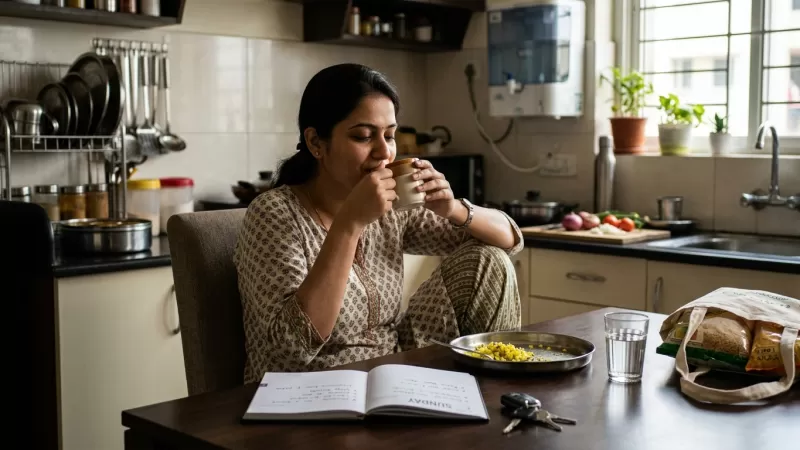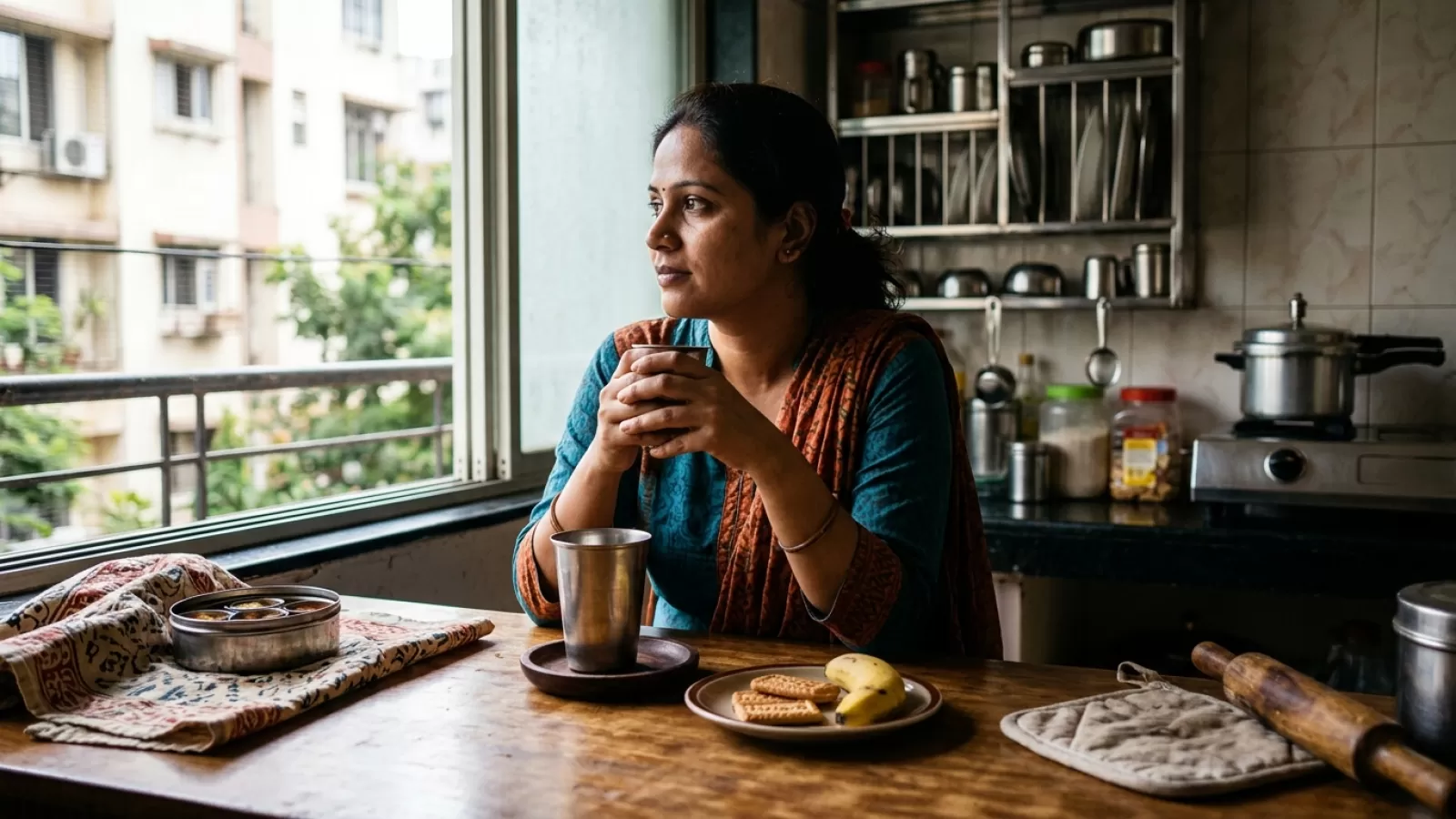
Some days it feels like your personal time just melts away—between work, family, and daily chores, there’s hardly a moment left to breathe, let alone sit quietly with your thoughts. You’re not alone in this. In many Indian homes, especially these days, finding true “me time” can seem nearly impossible, and it’s easy to feel like your mental space is slipping away. The tricky part is, most advice asks you to squeeze in another activity—meditate, journal, take up a hobby. But when you’re barely managing your current load, adding more to your plate isn’t always the answer. Sometimes, the real solution is about protecting your inner space, even when your outer world is crowded.
Noticing When Your Inner Space Gets Crowded
You might notice it first in small ways—feeling irritated at minor things, losing patience with family, or finding your mind cluttered even when you lie down at night. There’s often a quiet guilt that comes with these feelings, like you should be able to handle it all. But honestly, most people have felt this way at some point, especially when personal time shrinks fast.
It helps to gently notice these signs without blaming yourself. If you’re a homemaker, maybe the never-ending loop of meals, cleaning, and errands leaves you little room to pause. For working professionals, it’s those late-night emails or back-to-back video calls that eat into your evenings. And for seniors, it might be the constant background worry about everyone else in the family, leaving little time for your own thoughts.
This is normal. There’s nothing wrong with you for feeling stretched thin. The first step is really seeing it for what it is, without judgment.
The Myth of “Perfect” Personal Time
It’s easy to imagine that personal time means an hour of yoga at sunrise, or a quiet cup of chai by yourself every afternoon. In reality, very few people get these picture-perfect breaks, especially in joint families or busy households. Many families quietly deal with interruptions—doorbells, phone calls, a child needing something, or a neighbour dropping by.
So, instead of waiting for big, undisturbed chunks of time, it helps to accept that your personal space might look different. Sometimes, it’s just a few peaceful minutes while the pressure cooker whistles. Or a slow walk to the kirana shop. It counts, even if it’s not perfect.
The pressure to “make time” for self-care can feel like another burden. It’s okay if your version is simple and imperfect.
Protecting Your Inner Space—Even When You’re Busy
Here’s the catch: you can’t always control how much free time you get, but you can gently protect your mental space within busy days. This isn’t about strict rules or adding new tasks, but about small shifts in how you handle what’s already happening.
- When you’re chopping onions or waiting for dal to boil, let your mind wander instead of checking your phone or worrying about the next task.
- During work calls, if you notice your thoughts getting jumbled, take a deep breath and focus just on your breath for a moment—even if the meeting continues.
- If you feel overwhelmed, it’s okay to quietly step aside for a few minutes, even if you just go stand on the balcony and look outside.
These small pauses often help more than one long, scheduled break you can’t actually fit in.
The Power of Boundaries—Softly Drawn
In Indian families, saying “no” or asking for space can feel awkward, sometimes even disrespectful. But there are gentle ways to signal when you need a little room for yourself, without making a big announcement.
- If you’re busy with household work, try using headphones—not always for music, but as a simple sign that you’re occupied.
- During certain hours, let family know you’re not to be disturbed unless it’s urgent—even if it’s just for ten minutes in the evening.
- For those working from home, a closed door (if you have one) or a small sign can sometimes help create a boundary, even in a small flat.
Soft boundaries can actually be respected more when you keep them consistent and gentle, rather than strict or dramatic. Over time, people do catch on, especially if you’re calm about it.
Letting Go of “Shoulds” and Guilt
One thing that quietly eats into inner peace is guilt—feeling you should have finished more, should be more available, should handle it all without complaint. In many Indian homes, these “shoulds” come from years of habit, family expectations, or just watching our parents do so much without a break.
Here’s an honest thought: nobody can do everything, every day. If you’re only able to do the basics and need to sit for a few minutes before the next meal, that’s okay. If the sink has some dishes left at night, or if you forgot to call a relative back, it’s not the end of the world.
Your value isn’t measured by how busy you are or how much you get done. On tough days, being kind to yourself matters more than ticking off every item on the to-do list.
Finding Mini-Pockets of Calm in Everyday Routines
Personal time doesn’t always have to be separate from your daily routine. In fact, weaving a little calm into what you already do can help protect your mental space without needing extra hours.
- Morning tea: Instead of scrolling news or planning the day, just savour the taste and warmth, even for a minute.
- Household chores: Turning chores into a slow, mindful activity—like folding clothes or sweeping—can be oddly soothing when you’re not rushing.
- Evening rituals: Lighting a diya, watering plants, or just sitting quietly before dinner can become small moments of peace.
Most people find these mini-pockets more realistic than long, scheduled breaks, especially in homes where privacy is rare.
The Quiet Strength of Saying “Enough”
There’s a certain strength in quietly deciding that you’ve done enough for today, even if the world says otherwise. Sometimes, the best way to preserve your inner space is to draw a line—no more tasks for now, no more worrying about what’s left.
This doesn’t have to be dramatic. It can be as simple as telling yourself, "This is enough for today," and then letting things be. Over time, this habit can make a big difference in how you feel, even if your outside routine stays busy.
It’s not always easy, especially when family and work demands keep coming. But respecting your own limits, even quietly, matters more than most people admit.
Staying Connected Without Getting Drained
Sometimes, the lack of personal time isn’t about the number of tasks, but the feeling of being constantly "on"—answering calls, responding to messages, or dealing with everyone’s needs. During festival seasons or family gatherings, this can become even more intense.
It’s okay to step back from social calls or group chats when you’re feeling stretched. You don’t have to reply instantly to every message. Many people feel relieved when they give themselves permission to be less available, even for a short while.
- Let people know you’ll reply later if it’s not urgent.
- Mute non-essential groups during work hours or after dinner.
- If you’re not up to talking, it’s fine to let a phone call go to voicemail.
Staying connected doesn’t have to mean being constantly available. It’s possible to care for others and protect your energy at the same time.
Gentle Reminders for Tough Days
Some days, nothing seems to work—demands pile up, time slips away, and your mind feels crowded no matter what you try. That’s normal too. On such days, a gentle reminder can help more than any big strategy:
- It’s okay to feel tired and overwhelmed. You’re not failing.
- Your inner space is precious, even if you only get a few moments to protect it today.
- Small pauses and quiet acceptance add up, even if they don’t feel like much in the moment.
Personal time may shrink, but your right to inner peace doesn’t disappear. It’s a quiet thing, but it matters—sometimes more than we realise.