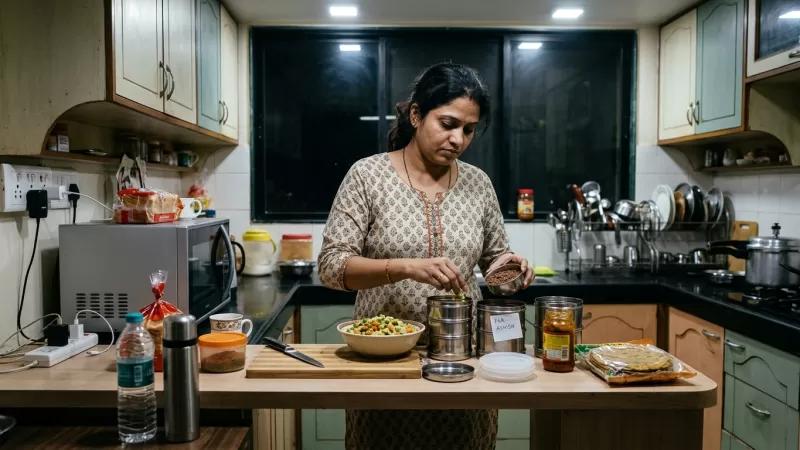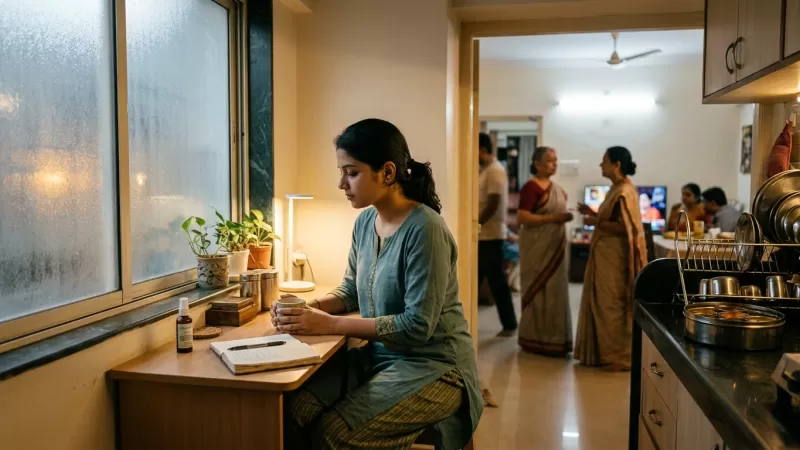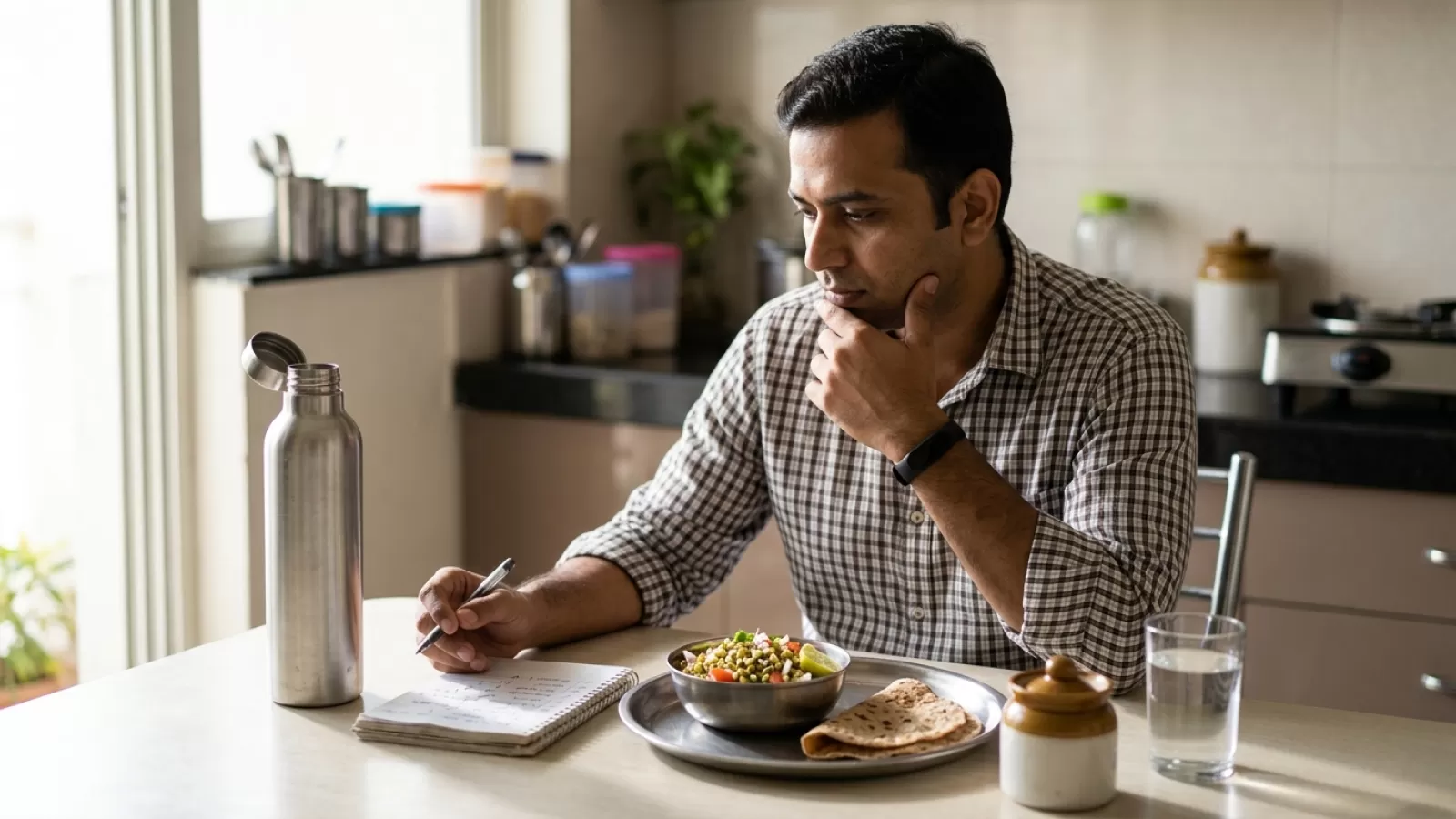
On Sunday evenings, after the kitchen has been wiped down and the last round of chai is poured, many Indian adults look back at the week and wonder why the healthy habits they started with such energy on Monday faded away by Friday. Lifestyle consistency tips India often seem simple on paper, but between late-night work calls, family events, and that unexpected rain that snarls up all plans, routines built with care just slip away quietly.
The tricky part is, most of us aren’t giving up because we don’t care or lack willpower. The habits we try to build—whether it’s a daily walk, eating less oil, or shutting screens by ten—are usually set up for perfect days. And let’s be honest, there are very few perfect days in an Indian household. Life is busy, unpredictable, and sometimes, just plain messy. That’s why Indian healthy habit consistency is less about making the ideal plan and more about learning how to stick to healthy habits India in the middle of real-life chaos.
Why New Habits Feel So Fragile in Indian Homes
Many Indian adults find themselves starting and re-starting health habits—like making fresh poha for breakfast or taking a brisk evening walk—only to lose them at the first sign of disruption. In joint families, a single guest’s arrival can mean a week of special foods and late nights. For working professionals, a project deadline or a sudden power cut can throw off sleep schedules or meal timings. Even homemakers, who are often expected to keep the house running no matter what, struggle when a child falls sick or the help takes leave.
The rhythm of Indian homes runs on small, recurring disruptions—festivals, weddings, school events, and the daily unpredictability of traffic or weather. Every time a new healthy habit is built, it often depends on a narrow window of calm that rarely lasts. The problem is not that adults lack discipline; it’s that routines built for ideal days collapse the moment real life takes over. This is why lifestyle consistency tips India need to focus on flexibility, not perfection.
The Real Reasons Healthy Routines Break Down
Ask around, and you’ll hear the same stories. Someone starts eating more sabzi and less fried food, but then comes a week of Diwali laddoos, and all good intentions disappear. Another person builds a steady morning yoga habit, only to lose it after a single morning of back-to-back calls. Even something as small as a shift in the maid’s timing can be enough to throw off breakfast or exercise plans for days.
Nutritionists working with Indian families often find that the strongest habits are those that survive festival seasons, family visits, or late-night cricket matches. The big issue is that most of us create habits expecting every day to go smoothly. When the routine is broken even once—by a relative’s visit, a sick child, or a late train—many people feel like the entire effort is wasted and give up completely.
Another reason? In many Indian homes, habit-building is treated as an all-or-nothing affair. If you can’t make the perfect roti-sabzi-dahi lunch every day, you might think there’s no point trying at all. But here is the catch: Indian life is built on making do, adjusting, and going with the flow. The habits that last are the ones designed to bend, not break, when things don’t go as planned.
Everyday Signs That Consistency Is Missing
- Restarting the same habit again and again: Many adults find themselves making the same resolutions at the start of every month—walking after dinner, eating less sugar, sleeping by 10pm—only to abandon them after a few days.
- Feeling frustrated after a single missed day: If one late night or skipped walk ruins your entire streak and you stop trying, it’s a sign the habit wasn’t built to survive real life.
- All-or-nothing thinking: When you miss one day of healthy eating and then give up for the week, waiting for next Monday to start again, that’s a clue your routine is too rigid.
- Guilt around special occasions: Festivals, birthdays, or family get-togethers become stressful because you worry about breaking your habits, leading to either resentment or total surrender.
- Your habits depend on everyone else’s schedule: If your healthy routine falls apart whenever someone else in the house changes their plan, it’s not anchored in your real life.
Small Flexible Actions That Actually Work in Indian Homes
- Make your habit adjustable, not fixed. For example, if you want to move more, don’t commit only to a 30-minute walk. On busy days, even walking while taking calls or doing two rounds of the building can count. The point is to keep the chain alive, not to hit the same target every day.
- Have a backup plan for busy or disrupted days. If you can’t make a full lunch, keeping curd, fruit, or homemade poha ready lets you eat something balanced without stress. Many families keep a box of makhana or roasted chana handy for days when dinner runs late.
- Accept that some days will be different. Festivals, power cuts, and family events will come. Plan for these by giving yourself permission to enjoy them without guilt—and then gently return to your habit the next day, without making a big deal about the break.
- Anchor habits to daily anchors, not to time. Instead of fixing a 6am walk, try walking after you finish morning chai, whenever that is. Tying habits to events—like after the school tiffin is packed or once the dishes are done—makes them more likely to stick even when timings shift.
- Keep your routine visible and simple. Placing your yoga mat in the living room, or keeping a fruit bowl on the table, reminds you to do the small thing even when you’re tired. In many homes, a water bottle on the kitchen counter is the nudge that keeps everyone hydrated, no matter how busy the day gets.
How Habit Survival Looks in Real Indian Routines
In many Indian homes, the most resilient healthy habits are the quiet, flexible ones that fit into the natural flow of the day. For instance, someone who wants to eat more vegetables might start by adding a small portion of sabzi to every meal, even if the rest of the plate isn’t perfect. Over time, this becomes automatic—even when the main dish is pulao or it’s a festival lunch with heavy foods.
A working professional commuting in Bengaluru might plan for a gym session every evening, but finds more success simply walking from the metro station to the office, or taking the stairs when possible. When a habit is built around these natural pockets of time, it is less likely to break under pressure.
Many families in Indian cities have quietly discovered that the habits which last aren’t the ones that look impressive on paper. Instead, they are the ones that can shrink or expand based on the day’s realities: a five-minute stretch in the kitchen while waiting for the pressure cooker, or sharing a bowl of dahi with dinner, even if the rest of the meal is festive or indulgent.
Sometimes, Professional Help Makes Sense
If you find that your struggles with building lasting habits as an Indian adult are causing distress, affecting your sleep, or leading to persistent guilt, it may help to speak to a counsellor or a health professional. Sometimes, there are deeper patterns—like stress or underlying health issues—that need outside support. It’s always okay to ask for help when things are not working despite your best efforts.
Common Questions
Building lifestyle consistency in India is rarely about creating perfect routines. It’s about adjusting and re-starting, day after day, in the middle of real life. If you find yourself asking the same questions as so many others, you’re not alone. Here are some honest answers, rooted in everyday Indian experience.
Why do Indian adults keep starting the same healthy habits and losing them within weeks?
In most Indian households, routines are shaped by family needs, unexpected events, and social obligations. Adults start healthy habits with enthusiasm, but a single wedding, festival, or late-night work call can break the streak. Once disrupted, many feel they’ve “failed” and let the habit go. It’s not a lack of discipline; it’s that our lives rarely match the fixed routines we plan. That’s why building lasting habits Indian adults need flexibility more than strict schedules.
What makes the difference between a habit that survives disruption and one that collapses at the first exception?
Habits that survive are built to be flexible—like walking after any meal, not just at 6am, or swapping a heavy dinner for fruit and dahi when time is short. Rigid habits fall apart because they can’t adjust when life changes. In Indian homes, the ability to adapt a habit to different situations is the real secret to Indian healthy habit consistency. Even during festivals or busy weeks, small consistent actions matter more than sticking to a perfect plan.
How do you build a health habit that continues even during busy or difficult weeks in Indian life?
The most resilient habits are tied to daily anchors—like after chai or before bedtime—not to the clock. For example, if you usually meditate after the kitchen is cleaned, you can do it at any time, even if dinner is late. Many adults find keeping healthy snacks ready, or walking while on calls, helps during busy weeks. The trick is to make the habit easy to shrink when life gets hectic, so it never fully disappears.
Is the idea of fixed habit formation timelines realistic for the unpredictability of Indian adult life?
Fixed timelines like “21 days to a new habit” often don’t fit the Indian reality. Power cuts, guests, travel, and family demands can break any routine. In many homes, habits form over months of stopping and starting, not in one stretch. The key is to give yourself permission to restart whenever you fall off, rather than waiting for the next “perfect” stretch. Flexible routines stand a better chance than strict timelines.
What is the most important mindset change for Indian adults who want to build lasting wellness habits?
The biggest shift is letting go of perfection. In Indian life, there will always be exceptions—festivals, visitors, unexpected events. Lasting habits are the ones that can bend and restart, not the ones that break at the first missed day. If you treat each day as a fresh chance, and see small, flexible actions as good enough, you’ll find yourself sticking with healthy habits much longer than before.