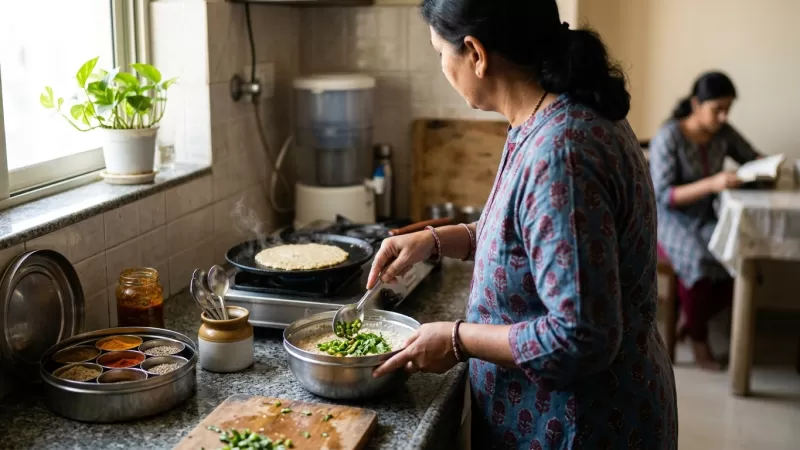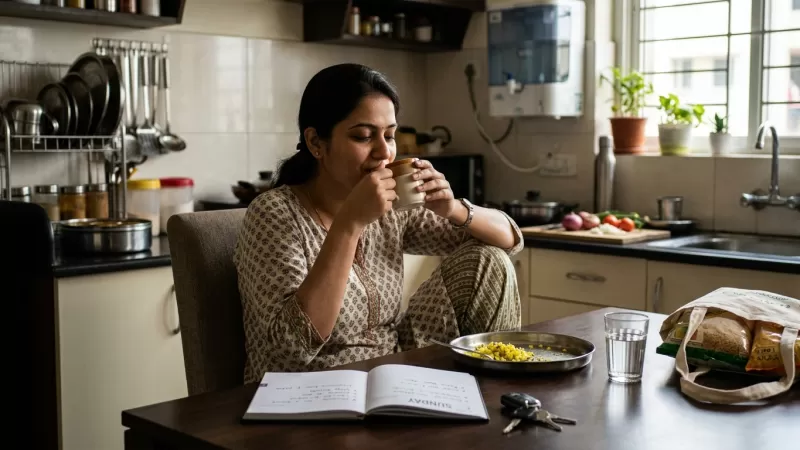
Some days just stretch on and on, don’t they? There’s no big event, no urgent chore, and no strict deadline. Whether you’re a homemaker, working from home, retired, or simply in between busy phases, slowly unfolding days can feel a bit strange. At first, it might sound relaxing, but after a while, the hours can blend together, leaving you feeling a little unanchored or restless. Many families quietly deal with this, especially during summer holidays, festival weeks, or when routines are changing. If you’ve found yourself wondering how to keep a sense of purpose and balance during these quiet stretches, you’re not alone. Let’s talk about some gentle routines and small habits that can help bring steadiness to drifting days.
Understanding the Nature of Slowly Unfolding Days
In many Indian homes, the pace of life can shift suddenly. School vacations, public holidays, or even a spell of illness in the family can leave you with more time than you know what to do with. These days don’t have the rush of busy mornings or the satisfaction of ticking off a long to-do list. Instead, there’s a lot of waiting—sometimes for evening tea, the next meal, or just something to happen.
Some people enjoy this gentle pace, but others get restless or even a little low. It’s not uncommon to feel aimless when you don’t have anything specific to look forward to. Even small things, like waiting for the sabzi to cook, can feel like time is moving very slowly.
The tricky part is, without little milestones or routines, the hours can start to feel empty. That’s when it helps to create your own gentle structure—nothing rigid, just light routines that guide you through the day.
Light Structure: The Comfort of Small Routines
There’s a quiet magic in routines, especially in Indian households. Morning chai, reading the newspaper, or watering plants—these small actions break the day into gentle parts. You don’t need a packed schedule; just a handful of habits to give the day some shape.
- Morning anchor: This could be as simple as stretching near a sunny window, or taking five minutes to sit quietly with your tea before the house wakes up.
- Midday pause: Many families use lunchtime as a natural break. Even a simple dal-chawal meal can feel grounding if you take a few minutes to enjoy it calmly.
- Evening wind-down: Lighting a diya, listening to music, or sitting on the balcony after sunset often works as a soft end to the day.
These little rituals work like bookmarks, separating one part of the day from another, so the hours don’t blur together.
Gentle Movement: Keeping Body and Mind Awake
On days that stretch quietly, it’s easy to find yourself sitting for hours—on the sofa, at the dining table, or by the window. Over time, this can make your body feel stiff and your mind a little foggy.
Moving doesn’t have to mean intense exercise or following a strict YouTube routine. Simple, familiar activities are often enough. For example, sweeping the floor, folding washed clothes, or tending to plants gives your body a gentle workout and breaks long stretches of inactivity. You might also find that walking around your home during phone calls or doing light stretches after watching TV can make a difference.
Of course, some days, even these small things can feel like a lot. That’s okay. On those days, just standing up every hour or so, stretching your arms, or walking to the kitchen for a glass of water is enough. The key is to keep moving in small, regular ways, so your energy doesn’t dip too low.
Simple Nourishment: Eating Well Without Fuss
When there’s no rush, it’s easy to skip meals or graze on snacks all day. But in the long run, irregular eating often leaves you tired or irritable. Many families find that sticking to regular meal times—breakfast, lunch, evening snacks, and dinner—gives the day a comforting rhythm.
There’s no need for elaborate cooking. On slow days, even a basic meal—like roti, sabzi, and curd—can be deeply satisfying. If you feel bored with the usual, try adding a small twist: a squeeze of lemon on dal, some chopped cucumber with chaat masala, or a bowl of seasonal fruit after lunch.
It’s also common in India to prepare fresh chai or coffee in the late afternoon. This small ritual, sometimes with a homemade biscuit or leftover mithai, gives you something to look forward to as evening approaches.
Finding Purpose: Small Tasks and Gentle Goals
One of the hardest parts about slow days is feeling like nothing meaningful is happening. But purpose doesn’t always come from big achievements. In many homes, small goals—like organising a drawer, calling a friend, or even changing the bedsheets—can bring a quiet sense of satisfaction.
- Make a short, realistic list in the morning. Even two or three tasks are enough.
- Include one pleasant activity: reading a few pages of a book, trying a new recipe, or listening to a favourite bhajan.
- Give yourself credit for what you manage. Some days, just getting through the basics is enough.
It helps to remember: You don’t have to justify every hour. Rest and small joys matter too.
Steadying the Mind: Simple Practices for Calmness
Long, quiet days can sometimes bring up old worries or leave you feeling a bit anxious. Many people in joint and nuclear families quietly struggle with overthinking, especially when there’s not much happening around them.
Gentle calming practices can help. You don’t need to sit cross-legged for an hour or follow complex meditation techniques. Instead, try these simple ideas:
- Take slow, deep breaths while sitting with your eyes closed for a minute or two.
- Listen to soft music or a comforting podcast while doing small chores.
- Look out the window, watch the sky, or notice how the light changes through the day.
Sometimes, even small distractions—like watering plants or chatting with a neighbour—give your mind a break.
Staying Connected: Small Social Touchpoints
It’s easy to feel a bit isolated on days that move slowly, especially if other family members are busy or away. Regular, small moments of connection can really help.
Even a five-minute phone call with a relative or a quick chat with a neighbour can lift your mood. In many Indian homes, sharing a snack or watching TV together in the evening becomes a daily ritual that brings everyone together, even if no one says much.
If you’re living alone, sharing a message or photo with friends or family can be comforting. Not every conversation has to be deep—sometimes, just exchanging a silly joke or asking about someone’s day is enough to feel linked to the world.
Letting Go of Perfection: Embracing Imperfect Days
Here’s the catch: Not every day will feel balanced, even with routines. Some days, you’ll feel bored or restless despite your best efforts. That’s normal. Life at home isn’t about perfect schedules or squeezing meaning from every hour.
In many families, it’s common to have days where things don’t go as planned—the sabzi turns out bland, the phone keeps ringing, or nothing gets done at all. Instead of worrying about wasted time, it helps to be a little gentle with yourself. Slow days pass, just like the busy ones.
After all, sometimes, simply noticing that another day has quietly unfolded is enough. And tomorrow, you can begin again, in your own way.