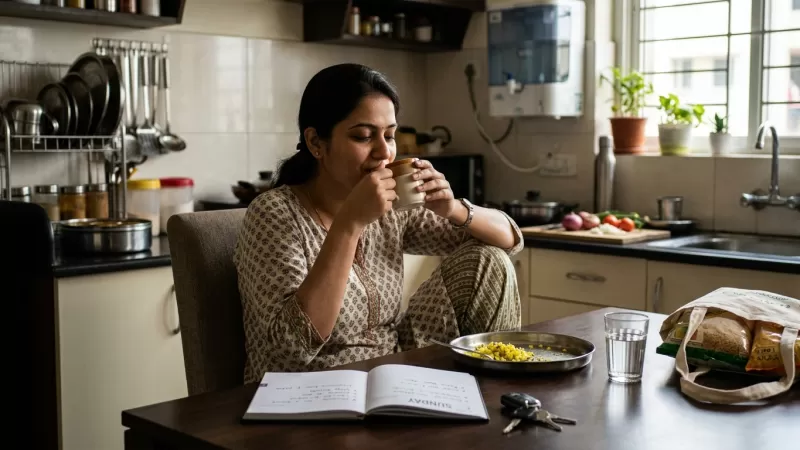
These days, it’s common for the lines between morning, afternoon, and night to feel a bit blurry. You might wake up to work messages, find yourself sorting out dinner while still thinking about office deadlines, or maybe you’re a homemaker whose “shift” never really ends. For many in India—whether you’re managing a family, working late hours, or just trying to keep pace with city life—days don’t always have a clear full stop. That can leave you feeling restless, like you’re always on call, and wondering where the day actually ended. Let’s gently explore some patterns that can help bring a sense of closure and balance, even when life keeps flowing without obvious breaks.
Why Modern Indian Days Feel Endless
Over the past few years, you’ve probably noticed how work-from-home, online classes, and even social life have shifted indoors. The daily commute is gone for some, but now the pressure to be “available” lingers well past sunset. In many homes, family members finish dinner and then open laptops again or take phone calls late into the night. The old routine of shutting down after an evening walk, or watching TV together, doesn’t always happen.
It’s not just office-goers. Homemakers and seniors also find themselves pulled in different directions: helping children with homework, caring for elders, or managing household chores that seem to stretch into the night. The point is, it’s easy to feel like the day never really ends, it just spills over into the next one.
That said, the lack of a clear day-end isn’t just about technology. It’s also about older patterns changing—joint families becoming smaller, neighbours less involved, and city life speeding up. Many quietly cope with this, not always knowing how to draw the line.
The Quiet Cost of Never Switching Off
Here’s the catch: when every day feels open-ended, your mind and body don’t get the signal that it’s time to rest. You might notice it as trouble sleeping, feeling tired even after a full night’s rest, or just a vague sense of unease that lingers after a long day.
For many, this leads to these small but real struggles:
- Difficulty relaxing in the evenings, even when chores are done.
- Eating dinner late, sometimes right before bed.
- Snacking mindlessly while watching TV or scrolling mobile phones.
- Family members rarely sharing quiet time together.
It’s not always easy to fix, especially when responsibilities overlap and there’s no clear "off duty". But simply noticing these patterns is a first, gentle step toward change.
Recognising Your Own Patterns
Most people have a personal rhythm, even if it’s a bit hidden under the noise of daily life. Some families eat dinner by 8, others only sit together closer to 10 PM. Seniors might prefer taking a short walk after their evening tea, while children may have online classes or TV time late into the night.
Instead of aiming for a perfect routine, it often helps to just notice what’s actually happening in your home. Are you always clearing the kitchen at 11 PM? Is everyone glued to screens after dinner? Or maybe, despite the chaos, you manage 10 quiet minutes of conversation before bed.
The point isn’t to judge, but to gently recognise your current pattern. That can help you see small places where a little closure may be possible, even if the whole day can’t be neatly wrapped up.
Creating Small Rituals for Closure
In many Indian families, rituals create natural pauses. Think of evening aarti, lighting a diya, or just sitting down with chai after dinner. These aren’t just “tasks”—they help mark that one part of the day is ending and another is beginning.
Here are a few simple rituals that can signal closure, without needing to block a whole hour:
- Lighting an agarbatti or diya at sunset, even briefly.
- Listening to a favourite bhajan or soothing song after dinner.
- Changing into nightclothes, and encouraging children to do the same.
- Taking a short, slow walk inside the house or on the balcony.
- Making a cup of warm milk or herbal tea before bed.
The tricky part is consistency. But even if you manage two or three evenings a week, it can gently remind your mind and body that the day is winding down.
The Power of a Shared Meal (Even if It’s Not Perfect)
For many, dinner is still the main time when everyone gathers—though sometimes it’s rushed, or people eat in shifts. There’s no need to aim for a picture-perfect meal, but sharing even 15–20 minutes at the table, without screens, can help everyone feel connected and create a natural “pause” in the day’s flow.
Some families have a habit of talking about one good thing that happened during the day, or discussing plans for tomorrow. Others might simply sit together in silence. Both are fine. The important thing is the gentle act of being together, even if the TV is on in the background or the meal is just simple dal and rice.
Many families quietly deal with dinner-time disagreements or distractions, especially when everyone is tired. That’s completely normal. What matters is the intention to end the day together whenever possible, and to forgive the imperfect moments.
Marking the End of Work or Chores
For those working from home, work hours can stretch till late, especially with colleagues in different time zones. Homemakers, too, may find themselves cleaning up or prepping for the next day long after everyone else has gone to bed.
It helps to set a rough “last task” that signals the end of work or chores—even if it’s as simple as switching off your laptop, wiping down the kitchen counter, or folding the last towel. Saying a quiet “done for today” to yourself can sound silly, but it gives a small feeling of closure.
On busy days, you might not finish everything. That’s okay. Remind yourself that the list will always be there tomorrow, and that it’s normal for some things to wait.
Gentle Ways to Unwind: What Usually Works at Home
Everyone has their own way of relaxing, and not every method suits every family. Still, certain things tend to be comforting in many Indian homes, especially after a long, unclear day.
- Listening to soft music, old film songs, or devotional tunes.
- Chatting with a family member about anything other than work or studies.
- Reading a few pages of a favourite book or magazine.
- Sitting quietly on the balcony, watching the street or the sky.
- Practicing gentle stretches or deep breathing—nothing fancy, just a few minutes.
Sometimes you’ll feel too tired or distracted for any of this. That’s all right too. Even one small act, like changing into comfortable clothes or dimming the lights, can help draw a line between “doing” and “resting.”
When the Day Feels Unfinished: Accepting and Letting Go
Some nights, no matter what you try, you’ll go to bed feeling like things are left undone. Maybe there are dishes in the sink, a fight unresolved, or worries about tomorrow’s tasks. This is very normal, and most people experience it more often than they admit.
Here’s a gentle thought: Sometimes, closure doesn’t come from finishing everything, but from accepting that the day was as full as it could be. It’s okay to leave a few things for the morning, trusting that you’ll handle them better after some rest.
Over time, you may notice that the habit of creating small closures—whether it’s a cup of chai, a quiet word with a loved one, or simply switching off the lights—helps you feel more balanced, even when life is busy and the days tend to run long.
That’s often enough. And it’s usually the small, everyday patterns that bring a little peace when the world outside feels endless.