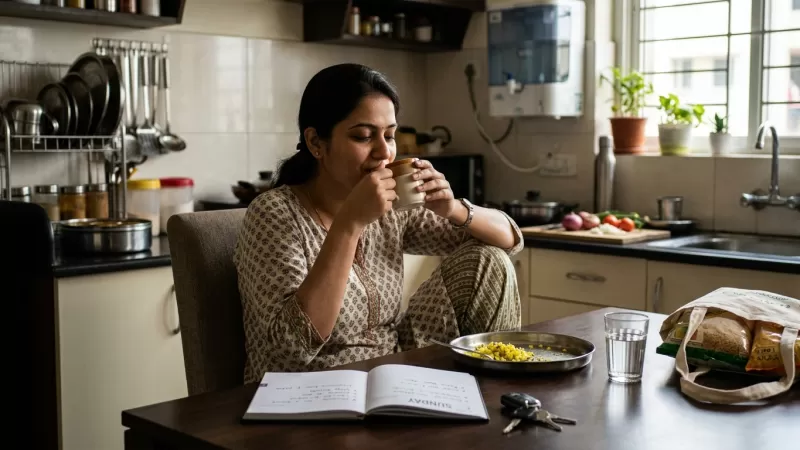
Some days at home are strangely full, aren’t they? Your house might be peaceful, no visitors, no loud TV, but there’s a flow of chores, work calls, family needs, and small interruptions that leaves you both tired and restless by evening. These quiet but busy days can sneak up on you—especially if you’re managing a home, working remotely, or caring for elders or kids. In many Indian households, this is the daily rhythm now: outward calm, inward rush.
Understanding This Quiet Busyness
It’s not always easy to explain this feeling. The house may seem calm, but your mind jumps from one mental checklist to another: making breakfast, checking on the maid, catching up on work, answering WhatsApp family groups, sorting out bills, handling online classes or parents’ medicines. By night, you wonder why you’re so tired.
You’re not alone. Many families quietly deal with this hidden busyness where there are no big events, yet the day feels packed. It’s not laziness or lack of planning—sometimes it’s just how life is now, especially with everyone’s routines overlapping under one roof.
The tricky part is, this kind of busyness doesn’t always feel satisfying. Unlike a festive day or a family outing, these routine-packed days don’t offer much to look forward to, but they still demand your energy. Recognizing this is the first step to finding some balance.
Gentle Routines: Keeping the Day Manageable
When every day seems to blend into the next, simple routines can help. Not strict schedules—just gentle habits that anchor your day. You might already have some: morning chai with your spouse, a quick walk on the terrace after lunch, cutting vegetables while chatting with your kids.
What matters is consistency, not perfection. Even if breakfast is delayed or the morning pooja is skipped some days, having a loose rhythm helps your mind settle. Some people find it’s easier to stick to routines if they link them with other daily events—like reading the paper before starting work, or folding laundry while watching the evening news.
- Start your day with a few calm minutes—maybe a stretch, or just looking outside your window.
- Try to eat at roughly the same times each day, even if meals are simple.
- Avoid planning too many to-dos in the morning; space out chores and tasks wherever possible.
It’s okay if some days are messier than others. The aim is steadiness, not strictness.
Making Space for Yourself (Even in a Full House)
It can feel almost impossible to find alone time at home, especially in joint families or small flats. Still, a few small pockets for yourself make a real difference—whether you’re the homemaker, the one working from home, or the family’s go-to problem solver.
This doesn’t mean long hours of solitude. Sometimes, just ten minutes with your evening tea in the balcony or reading a few pages of a book before bed can give your mind a much-needed pause.
- Let your family know you need a short break—even if it’s just to sit quietly for a few minutes.
- If you enjoy music, play a favourite song while doing chores. It’s a small lift.
- Many people find closing their eyes for five minutes in the afternoon (not a full nap) helps them reset.
It’s not selfish—it’s survival. You can’t pour from an empty cup, as they say.
Simple Meal Planning for Less Stress
Food is at the heart of home life in India, but planning and preparing three meals every single day can be draining, especially when everyone’s at home. Most families aren’t making elaborate spreads daily, despite what TV ads show. Often, it’s dal, rice, a quick sabzi, maybe some curd, or leftover roti turned into something new for dinner.
The key is to keep things uncomplicated. If you’re feeling stretched, it’s perfectly fine to repeat dishes across meals, or use store-bought atta for parathas. Many families do this quietly without fuss.
- Cook a bigger batch of dal or sabzi that lasts two meals.
- Use weekend time to chop extra veggies or make chutneys that last a few days.
- Let each family member pick a meal once a week—this takes some planning pressure off you.
- If you’re tired, even curd rice with pickle is enough. Don’t judge yourself.
On days when cooking feels like a mountain, keep it basic. There’s no prize for being a martyr in the kitchen.
Handling Emotional Ups and Downs
Quiet, busy days can make your emotions run a little wild. You might snap at someone for no real reason, or feel sad for a few moments even when nothing is wrong. It’s normal. The mind gets restless when there’s too much to do but nothing exciting happening.
What helps? Sometimes, just naming what you’re feeling (“I’m tired and a bit frustrated today”) softens its grip. Sharing this with a family member can ease the load too, or writing it down if you prefer privacy.
Other little things that often help:
- Opening windows for fresh air, especially in the afternoon.
- Stepping outside, even if just to water plants or stand at the gate for a few minutes.
- Calling a friend or sibling for a quick, light chat—not to vent, just to connect.
Emotional steadiness isn’t about being cheerful all the time. It’s about letting feelings come and go, like the changing weather. Harder than it sounds, but possible with some patience.
Finding Quiet Joys in Ordinary Things
On days that feel like a blur of chores and calls, it’s easy to forget that small pleasures matter. Yet, a lot of comfort comes from simple things: the smell of tadka in the kitchen, a soft towel after your bath, the feeling of cool floor tiles on your feet during summer.
Some people find it helps to notice one tiny good thing each day, even if it’s just the way sunlight falls on your balcony. It’s not about pretending problems don’t exist, but about reminding yourself that life isn’t only about responsibilities.
- Keep a small notebook or use your phone to jot down a pleasant moment from the day.
- Share a funny family memory at dinner, especially if everyone seems tired.
- Let yourself linger over your evening tea or coffee. No rush.
These joys don’t solve every problem, but they do make the day feel a bit lighter.
Managing Screen Time and News Overload
In recent years, everyone’s screen time has crept up—phones for work, TV for news, kids’ online classes, endless scrolling at night. It’s useful, but also draining. If you find yourself feeling jumpy, anxious, or unable to focus, screens might be a part of the reason.
There’s no need for strict digital detoxes, but gentle limits help. For example, many people find it easier to avoid checking their phones first thing in the morning or just before bed. That said, it’s not always possible, especially if you’re coordinating family schedules or work.
- Turn off news alerts for a few hours each day—bad news can wait.
- Put your phone away during meals, even if just for 20 minutes.
- If you watch TV in the evening, try to end with a comedy or something light rather than heavy news debates.
It’s about protecting your peace, not cutting off from the world entirely.
Letting Go of Perfection (and Comparing Less)
Social media, relatives’ comments, or even memories of your younger, more energetic self can make you feel you’re not doing enough. You might see recipes, spotless homes, or fitness routines online and wonder why your day feels so… ordinary.
Here’s the catch: most people only show their highlights. In reality, everyone has tired days, messy kitchens, and half-finished chores. It’s okay if your home isn’t picture-perfect, or if your children are bored sometimes, or if you skipped your walk today.
Letting go of perfection means accepting that some days are simply about getting through, not about shining. The aim is to keep things steady—not to win awards for housekeeping or parenting or productivity.
Some days, just making a simple meal, having a small laugh, and getting to bed on time is enough.