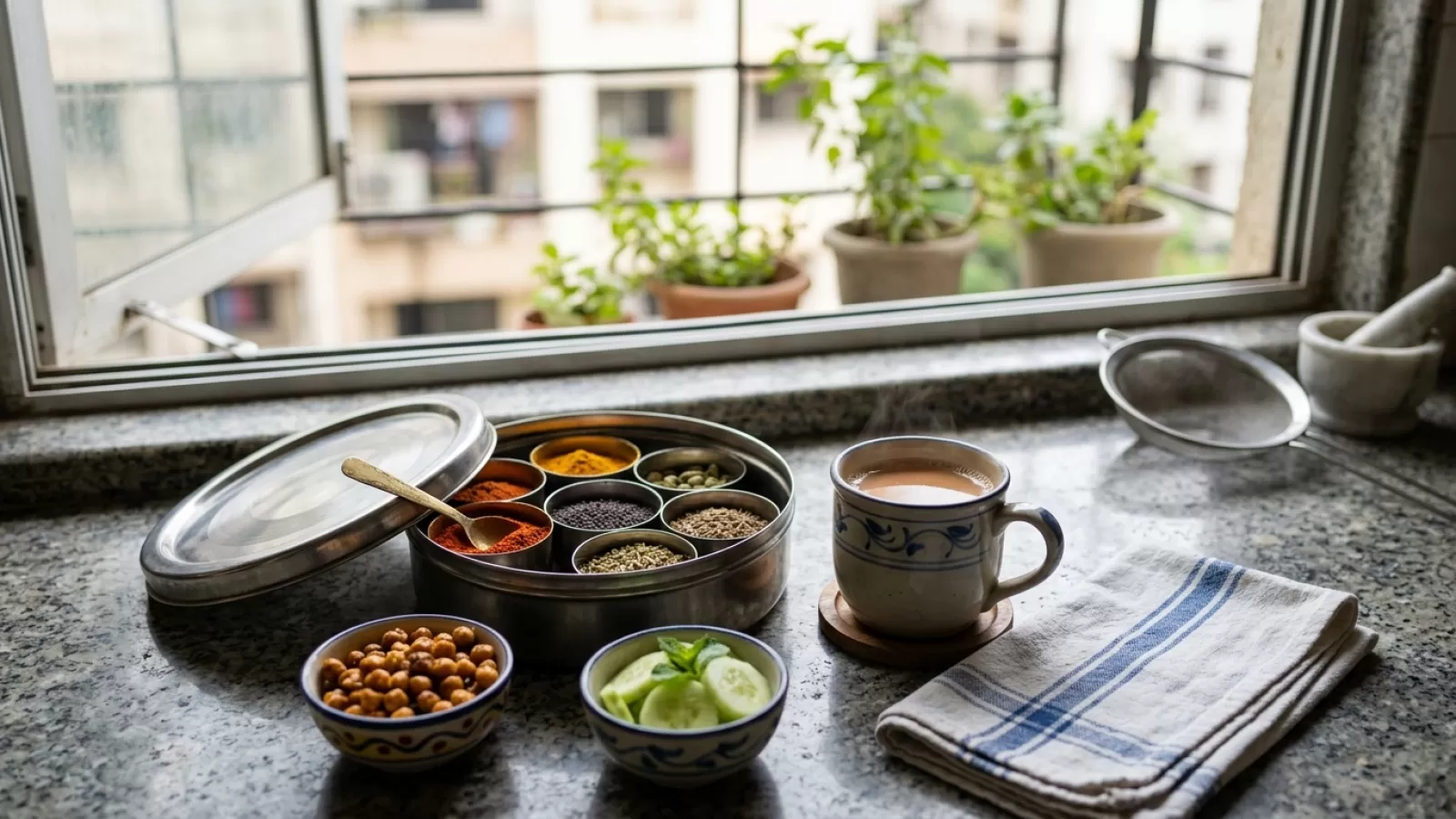
Sometimes, daily life in Indian homes can start to feel like a loop—making tea in the morning, packing tiffins, tackling work or school, folding laundry, preparing meals, and repeating it all again the next day. During these stretches, when each day seems almost like a copy of the last, it's common to feel a little stuck or dull. Many families quietly deal with this, especially in the middle of demanding workweeks, during exam season, or when looking after elders or young children. Finding small ways to keep your mind and mood fresh, even when routines are necessary, can make a real difference.
Recognising When Routine Becomes Draining
For most households, some amount of repetition is comforting—it helps things run smoothly, and everyone knows what to expect. But you've probably noticed that after a while, the same chores and schedules can start to feel heavy. You might catch yourself moving on autopilot, barely thinking about what you're doing, or feeling oddly tired even though nothing much has changed.
It's not always easy to spot when you've slipped from being efficient to just getting by. Sometimes, it shows up as small irritations, forgetting things, or even dreading simple tasks like chopping vegetables or folding clothes. If you feel like you're just crossing days off the calendar, that's often a sign your mind needs a little variety—even if your schedule can't change much right now.
There’s nothing wrong with seeking balance here. In fact, it’s quite natural, especially for homemakers juggling family needs or professionals working from home where the boundaries between tasks can blur.
Adding Small Touches of Variety
When routines can't be changed completely, even a tiny twist can help. You don't have to overhaul your entire day. Sometimes, it’s about slipping in one small difference.
- Change the order of chores—try making lunch before you sweep, or switch up your walk route.
- Add a new recipe or spice to a regular meal. Even a different garnish on dal can feel fresh.
- Play some music you enjoy during chores. Many people find old film songs or light bhajans give a gentle lift.
- Move your usual chai break to the balcony, or just stand by a window for a change of scene.
The trick is not to make it another thing to complete—just a gentle shift. Over time, these little changes can stop the days from blending together.
Staying Mentally Engaged During Repetitive Tasks
Some tasks, like ironing or peeling potatoes, don’t need much thought. That’s when the mind tends to wander, and sometimes, boredom or worries creep in. But these moments can also be used to feed your mind in simple ways.
Listening to an audio story, a podcast, or even a radio discussion can make chores less dull. If that’s not your thing, just noticing how you’re doing the task—how the fabric feels or the rhythm of chopping—can help pull you back to the present. It sounds small, but a little awareness like this can cut through monotony.
And sometimes, the mind just needs a rest. Allowing your thoughts to drift without forcing yourself to be productive can be its own kind of balance, especially after a long day.
Making Room for Short Breaks
In many Indian homes, taking a break feels like a luxury, especially for homemakers or those working from home. But you’ve probably noticed that even a five-minute pause, away from screens or demands, can help.
It could be as simple as sitting quietly with a cup of tea, doing a few gentle stretches beside the bed, or just flipping through an old photo album. Some people call a relative or friend for a quick chat; others step outside to water plants. The point isn’t what you do, but that you step away from the cycle, even briefly.
Here’s the catch—sometimes, it’s hard to give yourself permission for these breaks. But in the long run, these little pauses tend to keep your energy steady rather than burning out midway through the day.
Bringing in Moments of Joy or Meaning
When days are repetitive, the small pleasures often matter most. You might notice how a neighbour’s jasmine is blooming, or the way sunlight hits the kitchen counter in the afternoon. These moments may seem minor, but they can break up the sameness.
- Light a diya in the evening and pause for a minute, even if you’re not religious.
- Let yourself enjoy a favourite sweet on a random weekday, not just during festivals.
- Read a few lines of poetry, or look at family photos before bed.
It’s these small, personal things—often overlooked—that help make repeated days feel a bit more worthwhile.
Building Gentle Social Connections
During busy or monotonous stretches, it’s common to withdraw a little, especially if you’re tired. But most people find that a bit of light, everyday interaction brightens things up, even if it’s nothing deep.
It could be chatting with the vegetable vendor, exchanging a joke with your spouse, or just sending a good morning message to a friend group. For seniors, sometimes a wave to a neighbour or watching children play outside makes a difference.
No need for long phone calls or big gatherings. Often, these small, regular touches are enough to remind you that you’re not alone in your routine.
Letting Go of Perfection in Repetitive Phases
Here’s something that doesn’t always get said: it’s okay if some days feel flat, or if you don’t handle the routine as smoothly as you’d like. Life in Indian homes can have its own messiness—unexpected guests, power cuts, or sudden needs. Some days, the dal will be a bit watery, or the beds won’t be made neatly. That’s life.
Trying to keep everything perfect during periods of repetition can actually add to the fatigue. It’s fine to let a few things slide, especially if it helps your mind rest. Over time, most people find that being a little kinder to themselves makes routine less of a burden.
Adjusting Routine with Seasons and Family Needs
Indian routines often shift with the weather, school terms, or family health. In summer, you might want lighter meals and more cooling drinks. During monsoons, laundry can pile up and the kitchen feels more humid. Then there are festivals, when the usual schedule is replaced by cleaning, cooking, and visiting.
If your routine feels especially heavy, it may be a sign to tweak it with the season. For example, including more fruits in summer, or shifting chores to cooler parts of the day, can help. When exams or work deadlines come, you might cut down on elaborate meals and focus on quick, healthy options.
Flexibility isn’t always possible—but even small adjustments based on what’s happening in your home right now can make repeated days feel less demanding.
When Routine Feels Too Much: Gentle Next Steps
Some stretches just feel harder than others. If you’re finding it tough to get through the day, or if the sameness is affecting your mood or sleep, it might help to share your feelings with someone you trust. Many families quietly support each other in these ways, even if it’s just talking things out over a cup of chai.
There’s no shame in needing help or wanting change. Even small steps—like adjusting your sleep time, asking for help with one task, or taking a regular walk—can make a difference over time. And if you’re feeling truly low for many days, it’s wise to consider reaching out to a professional for support.