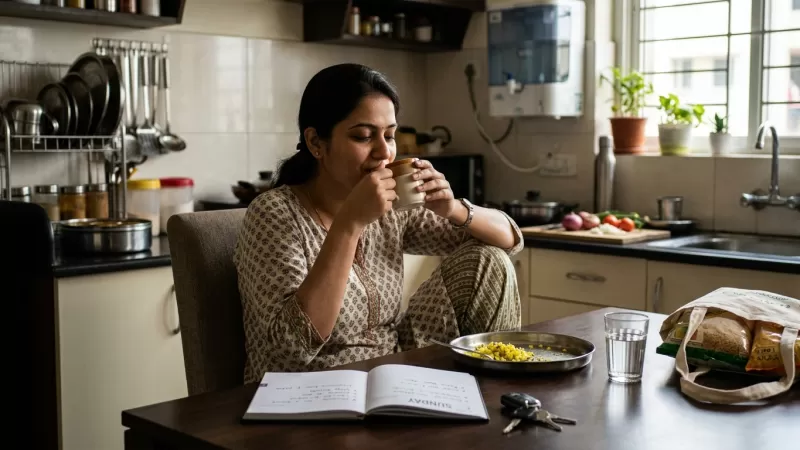
Some days, you wake up with no particular worries, but by evening, your mind feels heavy, as if you’ve run an invisible marathon. This sort of emotional fullness—when there’s no obvious reason, but everything just feels a bit much—happens to almost everyone at some point. In Indian homes, where routines are set and life often follows a familiar pattern, these feelings can sneak up quietly. You might not even realize it until you’re snapping at your child over a misplaced school bag or just sitting in silence after dinner, not quite sure why you feel so drained.
Recognizing Emotional Fullness
In Indian families, emotions often run beneath the surface. Many of us learn to keep a brave face, especially around elders or children. Still, there are those evenings when you can sense something is off, even if you can’t explain it. The tricky part is, people tend to ignore these feelings, brushing them aside as "just one of those days."
But here’s the thing: recognizing when your emotional cup is full is the first gentle step toward balance. Maybe you catch yourself sighing a lot, forgetting small things, or feeling oddly restless. Sometimes, you notice you haven’t laughed at a silly TV serial joke, or a phone call feels like too much effort. These are small signs your mind is carrying more than usual.
It’s not always about a big event or an argument. Often, it’s the build-up of little stresses—traffic jams, noisy neighbors, juggling work calls and household chores, or simply the heat and humidity of an Indian summer sapping your energy.
Making Space for Yourself (Even When Time Feels Scarce)
In many Indian homes, personal space can feel like a luxury. There’s always something or someone needing your attention—children’s homework, pressure cooker whistles, WhatsApp groups, or just the general hum of a busy house. But making a small space for yourself doesn’t have to mean shutting the door for hours.
Sometimes, it’s about finding a pocket of quiet in the day, even if it’s only five minutes. You might notice that after everyone leaves for school or work, there’s a sliver of silence. Or maybe the fifteen minutes after lunch, when the house is drowsy, can become a small breathing space.
- Try sitting by a window with a cup of chai, just watching the street or the sky.
- Use the time while the dal is simmering to close your eyes and take a few slow breaths.
- Even folding clothes can become a peaceful moment if you let your mind rest instead of planning the next task.
This isn’t about grand self-care rituals; it’s about gently claiming small moments, as and when you can.
Simple Routines That Bring Calm
On emotionally full days, routines can feel both comforting and overwhelming. The trick is to let your routine support you, not burden you. Many families find that sticking to basic daily anchors—like a set mealtime or evening tea—brings a sense of order when everything else feels crowded.
Some people light a diya in the evening or play a favorite old song while cooking. These small rituals can mark the passage of time and help your mind settle, even if only for a few moments. You don’t have to set up anything elaborate; often, it’s the familiar habits that ground you best.
That said, if a routine starts feeling like a chore, it’s okay to skip or modify it. For example, if you usually cook three fresh items for dinner, maybe just make a simple khichdi and a salad on a heavy-feeling day. Or if you’re too tired, there’s no harm in asking someone else to make the evening tea.
Letting Go of Perfection (Especially on Hard Days)
There’s a quiet pressure in many Indian families to keep everything running smoothly—neat home, fresh food, well-behaved children, smiling faces. It’s natural to want things to be just right, especially when you care for everyone around you. But on days when your mind feels overfull, trying to keep up that standard can become exhausting.
It’s perfectly fine if the living room stays a little messy, or dinner is a bit late, or you forget to call a relative back. These small imperfections usually don’t matter as much as we fear. In fact, letting go of them—even for a day—can create a surprising sense of relief.
Many families quietly deal with this, though few talk about it. You’re not alone if you sometimes wish someone would just notice and say, “It’s okay, leave it for now.”
Connecting Without Pressure
When you’re emotionally full, even talking to loved ones can feel tiring. Still, gentle connection helps, if it’s done without any pressure. This could be something as simple as watching TV together without chatting, or sitting on the balcony with a family member, both doing your own thing.
Some readers might find that sending a short message to a friend—just a “thinking of you” or a smiley—feels easier than a phone call. Or you might prefer to listen, letting someone else do the talking, without feeling like you have to offer solutions.
Not every conversation has to be deep or meaningful. Sometimes, just being quietly together is enough to lighten the invisible load a little.
Gentle Ways to Release Mental Clutter
Our minds, like our cupboards, tend to collect clutter without us noticing. On days when emotions pile up, it helps to gently clear some space—without forcing yourself to "think positive" or solve every problem.
One method that works for many is jotting thoughts in a diary or even on a scrap of paper. No need for perfect sentences or deep insights—just a list of what’s on your mind can be strangely helpful. Some people prefer to talk things out softly, even to themselves or a trusted person.
Here are a few other gentle mind-clearing habits:
- Take a short walk, even if it’s just around your building or on the terrace.
- Listen to music you grew up with—old Hindi songs, bhajans, or anything comforting.
- Water the plants or sweep the balcony—simple, repetitive tasks can be calming.
None of these are magic fixes. But they can clear a little inner space, bit by bit.
Resting (Even If It’s Not Perfect)
Rest is not just about sleep. On emotionally full days, true rest can be tricky—your body might be still, but your mind keeps racing. You’ve probably noticed that even a good night’s sleep doesn’t always make you feel lighter if you’re carrying a lot inside.
That said, it helps to allow yourself small rests throughout the day. Lie down for ten minutes after lunch, or just sit quietly and look out at the sky. If you’re working from home, close your eyes in between meetings or calls. Seniors sometimes find that a slow evening stroll after dinner helps settle the mind before bedtime.
And if you find yourself awake late at night, try not to fret about it. Sometimes, just lying down and breathing slowly, without forcing yourself to sleep, lets your mind relax a little. Rest isn’t always perfect, but even small pauses matter.
Moving Toward Balance, Gently
No one has everything balanced all the time. In most Indian homes, there will always be days when emotions overflow, routines wobble, or you feel more tired than usual. The important thing is not to judge yourself too harshly on those days.
Balance isn’t about having everything in order every single day. It’s more like adjusting a thali—the dal might spill a bit, the chapati might be a little burnt, but there’s still a meal on the table and people to share it with.
When your days feel emotionally full, see if you can make one small change—a longer sit with your tea, a skipped chore, a few extra minutes of music, or simply telling someone, “Today was a lot.” Over time, these gentle approaches can help restore a little more inner space, even when life refuses to slow down.