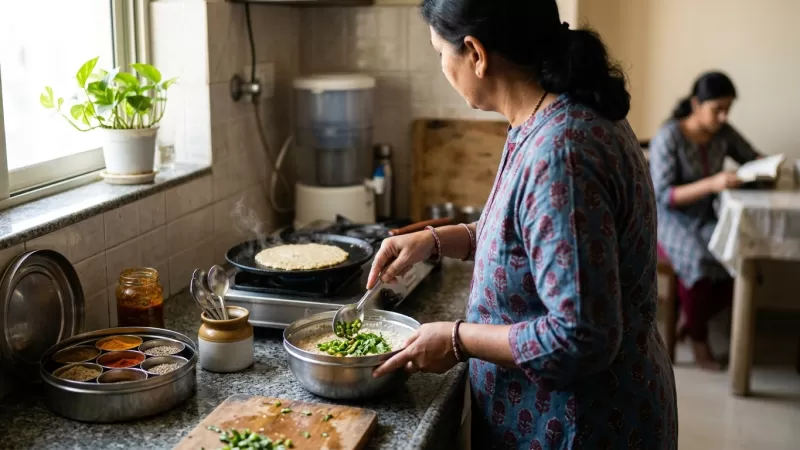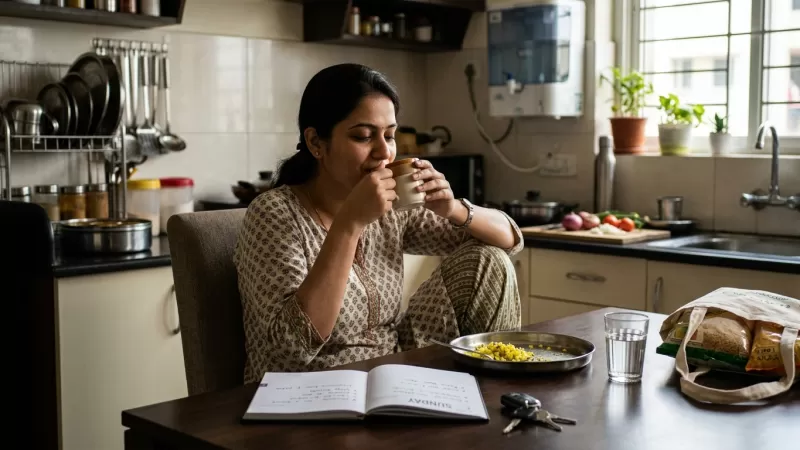
Some days just don’t go as planned. You may wake up thinking it’ll be a fairly routine day—simple breakfast, a little household work, maybe finishing some office tasks or just sitting down with your evening chai. And then, something comes up. Maybe the geyser stops working, or you get a call from your uncle needing a quick favour, or the maid takes leave without notice. Before you know it, you’re out running errands—some urgent, some just “can’t wait”—and the day starts slipping away. If you’ve ever ended up eating lunch at 4 pm or skipping your afternoon rest because of such unplanned errand days, you’re definitely not alone. Many families quietly deal with this, especially in Indian homes where flexibility is just part of the routine.
Why Do Unplanned Errand Days Throw Us Off?
It’s not just about the running around—these busy days often come with a side order of guilt, frustration, and feeling like you’re always a step behind. You may feel you’re neglecting work, skipping self-care, or letting things pile up at home. These days tend to drain both energy and mood, especially when you’re not prepared for them.
In India, where traffic can be unpredictable, shops close early on certain days, or paperwork takes longer than expected, a small task can sometimes eat up half the day. That’s just how things are here. The tricky part is, our routines—meal times, exercise, even sleep—can get completely thrown off.
What helps is not expecting “perfect balance” on such days. Instead, it’s about gentle adjustments and keeping a calm head so you don’t feel unsettled by every change.
Adjusting Expectations—Letting Go of the Checklist
On regular days, you might have a neat checklist: groceries, calls, maybe some quiet time. But on errand days, if you try to force everything into your original plan, you’ll likely end up feeling defeated. The reality is, something may have to give, and that’s okay.
Here’s what often helps:
- Pick 1–2 absolutely essential tasks (like feeding the kids, taking your medicine, or that urgent bank visit).
- Accept that some things may be left for tomorrow—and remind yourself, most things can wait a day.
- Forgive yourself for not ticking every box; you’re not a machine.
Sometimes, just pausing and saying, “Alright, today’s going to look different” is all you need to feel a bit lighter.
Simple Food Choices for Busy, Moving Days
Food routines tend to be the first casualty of errand-filled days. Breakfast turns into just tea and a biscuit, lunch gets delayed, and dinner is whatever you can manage. That said, skipping meals often leaves you feeling tired, irritable, and more likely to fall back on junk food later.
You’ve probably noticed that many Indian homes keep some basics ready—cooked dal, leftover roti, or fruit. On busy days, these can be real saviours. Here are some gentle, practical ideas:
- Keep a few boiled eggs, roasted chana, or fruit handy for a quick snack on the go.
- Leftover sabzi and roti can become a quick roll or wrap.
- If you’re outside, a simple idli, poha, or upma at a local shop is often better than fried snacks.
- Drink water whenever you remember—dehydration creeps up, especially in summer.
Nobody expects a perfect, hot, home-cooked meal every time. The idea is to stay fuelled and avoid long gaps, even if it means eating a humble meal.
Finding Calm—Tiny Pockets of Pause
On days when you’re moving from one thing to the next, it’s easy to forget about your own calm. But even five minutes of quiet can help you reset—especially when things feel overwhelming.
Some things that actually work in real homes:
- Sit down with your chai and just breathe, even if the to-do list is calling you.
- Close your eyes for a few minutes while waiting for your turn at the bank or office.
- Listen to a favourite old Hindi song or bhajan while stuck in traffic.
- If you’re at home, just look out the window or step onto the balcony for a moment.
These aren’t life-changing techniques, but they do offer a small buffer against chaos. Sometimes, that’s all you really need.
Managing Family Expectations—Gentle Communication
Errand days often mean changes for everyone—kids’ plans get shifted, elders might need to wait for their tea, or a spouse comes home to a house that looks less tidy than usual. It helps to be honest about what’s possible and what’s not.
In many Indian homes, people don’t always talk openly about these things. Still, saying a simple “Today was hectic, so dinner will be simple,” or “Can you help with the dishes?” can set the right tone and avoid disappointment.
Some gentle reminders:
- Small children usually adapt if you give them a snack and explain the delay.
- Seniors appreciate being told if their routine will be affected, like medicines or meals being late.
- Partners often don’t mind helping, but just need a nudge or clear request.
Everyone has busy days. Most families understand, even if they don’t always say it out loud.
Rest and Recovery—Making Up for Lost Energy
Errand days can leave you feeling drained, especially if you’ve been out in the heat or on your feet all day. The body needs a chance to catch up.
Here’s the catch: Sometimes you just can’t get a proper nap or early bedtime, especially when there’s still work to be done. But there are small ways to care for yourself:
- Wash your face and feet after coming home; it gives a surprising sense of relief.
- If you can, lie down for even 10–15 minutes, with or without sleeping.
- Keep dinner light—khichdi, dahi-chawal, or just fruit can make digestion easier.
- Try not to jump right into pending tasks; give yourself a few minutes with a cup of warm water or milk.
These little rituals signal the body and mind that it’s time to slow down, even if the day’s been a whirlwind.
Learning from the Chaos—Building a Flexible Mindset
It’s tempting to feel that a chaotic day means you “failed” at balance. But honestly, flexibility is often the best kind of balance for Indian daily life. No matter how much you plan, there will always be surprises—relatives dropping in, water supply issues, or sudden school notices.
Over time, you start noticing what helps and what doesn’t. Maybe it’s keeping a small snack box in your bag, or knowing which neighbour you can call for help. Maybe it’s just telling yourself, “This too shall pass.”
What matters most is being gentle with yourself and your family. Some days, it’s enough just to get through and start fresh tomorrow.
When to Ask for Help—You Don’t Have to Do It Alone
This is something many people struggle with, especially homemakers and working parents. There’s a sense that you should manage everything yourself. But on tough errand days, it’s perfectly alright to lean on others, even if it’s just for a little while.
Here are a few small ways people often share the load:
- Ask a neighbour to pick up groceries if you’re running late.
- Let your family know you’ll be ordering dinner instead of cooking.
- Let your manager know if you’ll be late submitting work because of a family emergency.
- Share your feelings with a friend—sometimes just talking helps lighten the mood.
Many people are happy to help, especially if you ask clearly and without guilt. It’s not a weakness; it’s just part of how families and communities work.
Wrapping Up—Gentle Balance for Real Life
There’s no magic formula for balancing life on days when plans keep changing. Most of the time, it’s about accepting the mess, making a few smart adjustments, and not being too hard on yourself. In the end, a little kindness—to yourself and to those around you—goes a long way.
And sometimes, that’s all you can do. That’s perfectly alright.