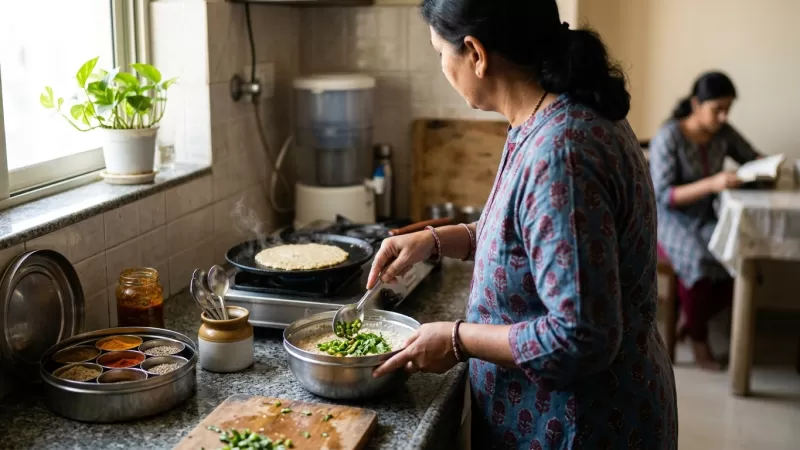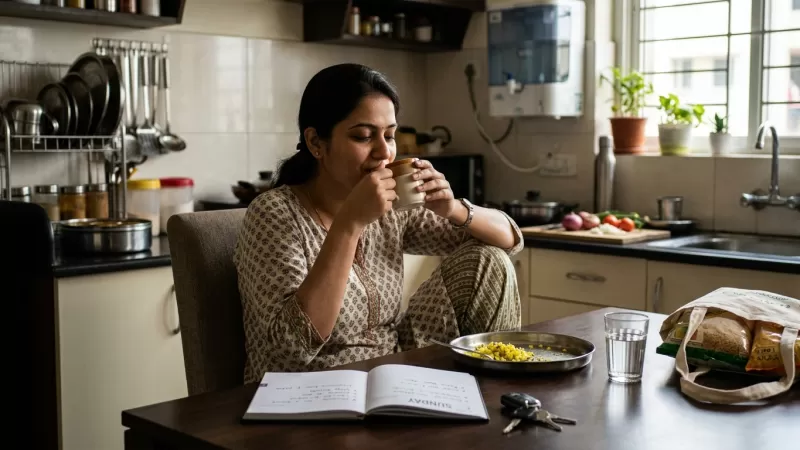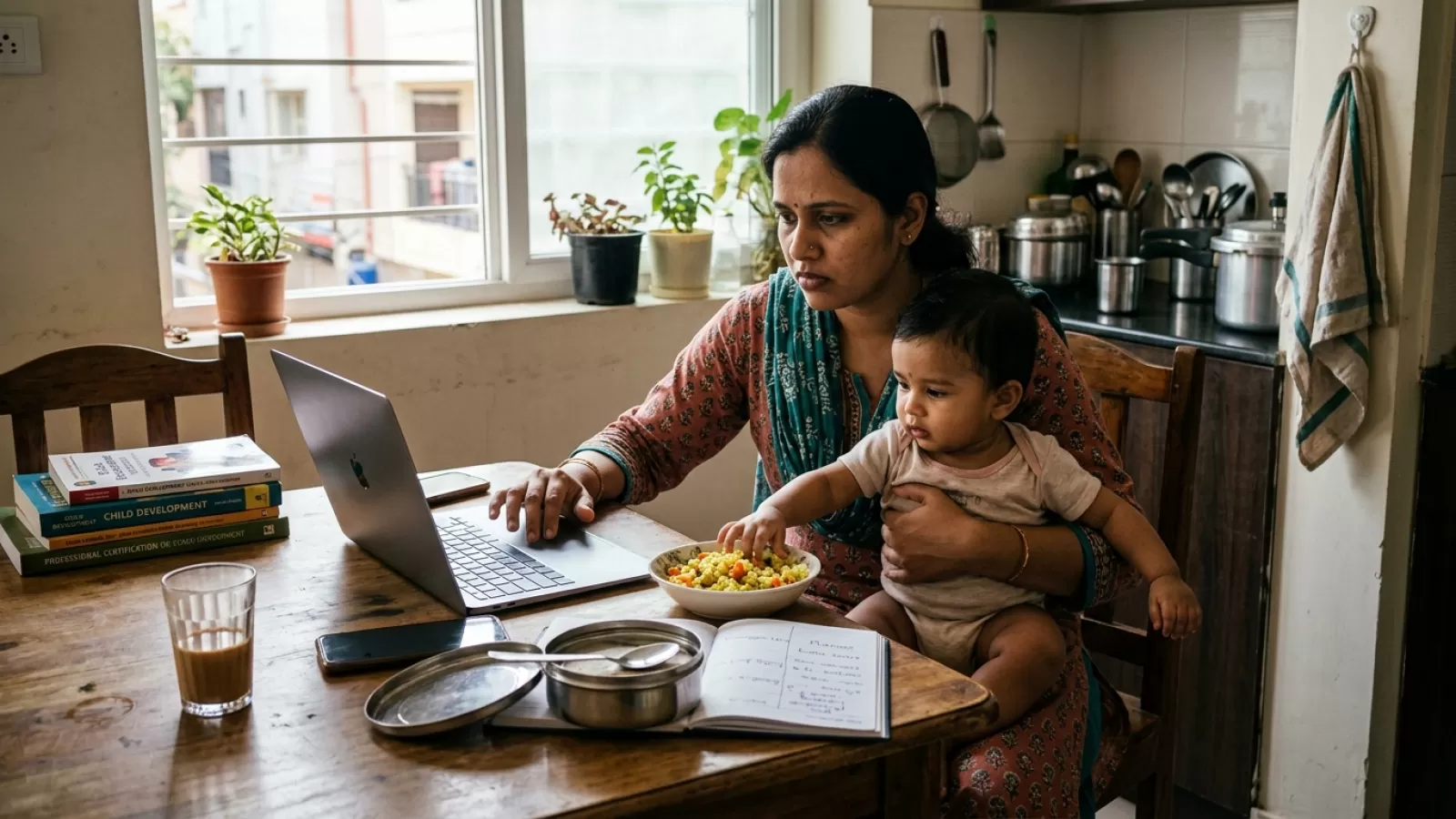
Some days, it feels like you’re holding up too many plates. Work deadlines, school WhatsApps, managing groceries, cooking, checking on elders, sorting bills, keeping up with social occasions, and still somehow finding time to breathe. In many Indian homes, especially these days, it’s normal to feel stretched thin—almost as if you’re expected to be everywhere, do everything, and rarely pause for yourself. If you’re reading this with tired eyes and a heavy mind, you’re not alone. Quietly, countless families are living this way, but it doesn’t have to mean constant exhaustion. There are calmer ways to juggle these roles, without letting stress take over completely. Let’s walk through some real, steady strategies for your daily life at home.
Understanding the Pressure: Why It Feels Like Too Much
Most people in Indian families wear many hats: employee, parent, spouse, sibling, homemaker, sometimes even caregiver. That sense of "always on duty" hits especially hard when work overlaps with home life—something that’s become common since work-from-home became the norm for many. You’ve probably noticed: the boundaries blur, and suddenly you’re answering emails while stirring dal, or taking office calls in the middle of helping with homework.
The tricky part is, this isn’t just about being busy. It’s about the invisible load—remembering everyone’s needs, festivals and rituals, meal plans, and family dynamics. It can quietly drain your energy, even if you’re not physically rushing around all the time.
Recognizing that this is a shared struggle, and not just your own personal failure, is the first step. Many people quietly deal with this background noise of guilt and tiredness, but it’s possible to lighten the load, even a little bit, with some thoughtful changes.
Setting Realistic Expectations—With Yourself and Others
Here’s the catch: Most of us grew up believing we had to do it all, perfectly, all the time. You might feel guilty for leaving the house a little messy, or for not making fresh chapatis every single meal. But sometimes, the pressure comes from ourselves more than from others.
Try this: For one week, notice when you’re being too hard on yourself. Is it really necessary to iron every kurta, or can you let a few things slide? Adjusting your standards—even slightly—can free up energy and lift a weight off your mind.
- Communicate with family about what’s possible. Don’t assume they expect perfection—they may not even notice the little things that worry you!
- Ask for help, even with small tasks. Many hands do make lighter work, and kids or elders often feel good about contributing.
- Let go of unnecessary comparisons, especially after scrolling social media. Every household runs differently, and no one shares their chaos online.
Realistic expectations are not about lowering standards. They’re about knowing what matters most right now, and giving yourself permission to focus on that.
Designing Simple Routines for Busy Days
In most Indian homes, routines make life smoother—whether it’s morning chai, evening walks, or weekend cleaning. Predictable, repeated actions lower stress because you don’t have to decide everything from scratch each day.
But routines only work when they’re simple and flexible. If your plan is too ambitious (think: elaborate breakfasts every day, or strict exercise schedules), you’ll end up feeling more pressured than before. Instead, anchor your day with a few non-negotiables and let the rest flow.
- Keep a loose meal plan for the week—rotate dals and sabzis, have a quick tiffin back-up, and allow for takeout when you’re truly tired.
- Set predictable work start and end times, even if working from home. A small ritual, like changing clothes or lighting a diya, can help mark the shift.
- Build in a 10-minute pause after lunch or before bed—no phone, no chores, just quiet. It adds up over time.
Some days, routines will go off-track, and that’s okay. The goal is steadiness, not perfection every single day.
Delegation Isn’t a Luxury—It’s Basic Self-Care
There’s a belief in many homes that true care means doing everything yourself. But sharing tasks—whether with family, older children, or reliable household help—doesn’t make you less caring or capable. It just means you’re being practical.
Think about the last time you tried to finish everything on your own. Chances are, you felt irritable, tired, or even resentful by the end. It’s not sustainable, especially with modern work demands and family needs.
- Make a simple list of daily chores. Even young kids can help set the table, water plants, or fold laundry.
- If you have house help, trust them with more responsibility. Small bits like cutting vegetables or managing laundry can save you real time.
- Share family duties openly—alternate school drop-offs, festival preparations, and bill payments with your partner or older children.
Delegation isn’t about giving up control. It’s about making space for rest and togetherness, which help everyone feel better in the long run.
Pacing Yourself: The Art of Saying No (and Yes)
Many people find it hard to refuse requests—from relatives, colleagues, or even neighbors. Weddings, poojas, extra work projects, or last-minute favours can pile up, especially during festival seasons. The feeling of being stretched too thin often comes from saying “yes” when your plate is already full.
This doesn’t mean shutting out social life or extra opportunities, but choosing carefully. Sometimes, a polite “not this time” or “maybe later” is healthier for you and your family.
- Assess your week before agreeing to anything new. If it looks packed, it’s better to decline up front.
- Practice gentle refusals—most people understand, especially when you’re honest about your workload.
- Say “yes” to things that genuinely make you or your family happy, even if they seem small or unimportant to others (a quiet evening, a favorite TV show, a walk after dinner).
It’s a balancing act, no doubt. But a few well-placed "no's" can give you the breathing space you’ve been missing.
Protecting Your Own Well-being (Without Feeling Selfish)
In busy households, your own needs often come last. Skipping meals, sacrificing sleep, or ignoring aches and pains tends to become normal—especially for homemakers and working parents. Over time, though, this backfires. You can’t pour from an empty cup, as the saying goes.
Looking after yourself doesn’t have to mean spa days or elaborate hobbies. It’s about respecting your own limits and making small, steady investments in your health—physical and emotional.
- Eat regular, balanced meals—even if simple. A bowl of curd rice or khichdi is better than skipping altogether.
- Move your body, even for 10 minutes. Stretching, walking on the terrace, or dancing to music counts.
- Notice your mood. If you’re feeling low for days, it’s okay to talk to someone you trust, even if it’s just to share your burden.
Taking care of yourself isn’t selfish. It’s what keeps your household running smoothly, and your mind steady in the middle of chaos.
Making Peace With Imperfection
We live in a world that quietly expects too much—spotless homes, successful careers, perfect parenting, and endless patience. But real life in Indian families is messy. Some days the roti will puff, some days it burns. You might forget someone’s birthday, or miss a school deadline. It happens.
Making peace with these imperfections can feel freeing. The truth is, most people don’t notice the small mistakes you worry about. What they remember is your presence, your laughter, and the feeling of being cared for—even in a slightly untidy home.
If household chores pile up for a day, or a work project falls behind, try to respond with kindness to yourself. That gentle attitude will ripple through your whole family.
When You Need Extra Help: Signs It’s Time to Pause
Even with the best strategies, there are times when everything feels too much. You might notice that you’re snapping at loved ones, losing sleep, or simply feeling exhausted all the time. Sometimes, it’s just a tough phase—a sick child, a demanding project, or festival season. But if the overwhelm doesn’t pass, it’s okay to pause and ask for help.
- Talk openly with family about your stress. Often, they’re more willing to adjust than you think.
- Take a day off from work or chores when possible. Even half a day can help you reset.
- Consider reaching out to a trusted friend or, if needed, a well-being professional for support. There’s no shame in needing extra help.
You’re not alone, and there’s no medal for pushing yourself to the breaking point. Sometimes, the strongest thing you can do is to pause and take stock.
Balancing multiple roles in a modern Indian household isn’t about doing more—it’s about doing things with steadiness, kindness, and a little help from those around you. Most days won’t be perfect, but with a few gentle shifts, you can find calm in the middle of your busy, beautiful mess.