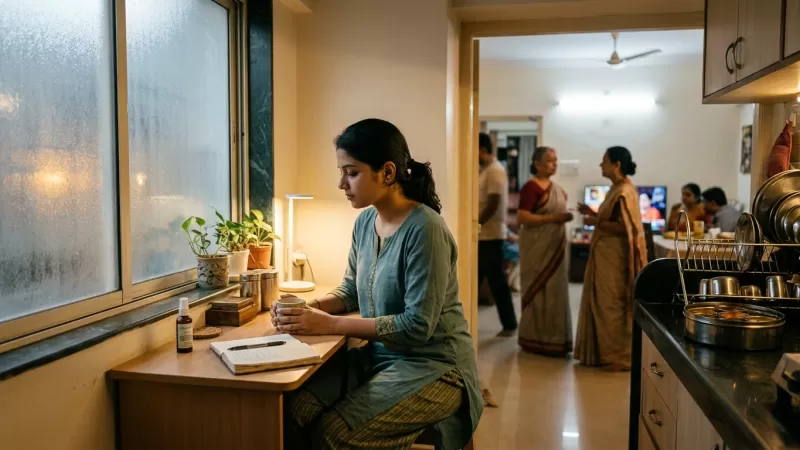
In many Indian homes, mornings start before the alarm. The sound of pressure cookers, buckets filling, and early news on TV blend into a familiar rhythm. Some adults have tried fitting their lives into strict schedules, but with school holidays, late-night cricket matches, unexpected guests, and power cuts, even the best-laid plans often fall apart. That’s why balance without a rigid schedule in India usually depends on finding a pattern—not a fixed timetable—that lets you adjust when life suddenly changes.
Staying balanced in Indian life with no strict plan is less about holding tight to a daily checklist and more about having a reliable rhythm you can return to, even after a messy day. While some professionals swear by digital planners, most Indian families have quietly discovered that a flexible balance works better—one where there’s room for a late-night chai or an unplanned trip to the market, but also a few non-negotiable anchors that keep things steady.
Why Fixed Schedules Rarely Survive in Indian Homes
In Indian families, schedules often get rewritten by the day’s demands. A toddler’s tantrum, a sudden downpour, or a work call running late can throw off any strict plan. School timings shift during holidays, office meetings move around, elderly parents may need help at odd hours, and meals sometimes happen whenever everyone is free. Commuters in Bengaluru, for example, know that a traffic jam can turn a 30-minute ride into two hours. That said, most people still crave a sense of balance—they just can’t always get it from a clock.
Many families rely on house help whose timings are unpredictable. There’s also the joint family structure, where several people’s routines overlap and clash. Even in nuclear households, things rarely happen at the exact same time every day. The trick is, people in India often develop flexible balance: a way of moving through the day where some things (like morning chai or a walk after dinner) happen most days, but not always at a set hour. This gives a sense of rhythm without making anyone feel trapped by the clock.
Flexible balance for Indian adults usually comes from rhythms built into the home—like eating together when possible, or everyone pausing in the evening, even if the exact time changes. It’s about returning to certain habits, not enforcing them at a fixed hour. That’s why balance without rigid schedules in India often feels more natural and less stressful.
Why Indian Adults Gravitate Toward Rhythms, Not Rigid Plans
There are a few underlying reasons most Indians move away from strict daily plans. For one, Indian homes tend to be multigenerational and busy. Shared spaces mean the kitchen, bathroom, or even the washing machine may not be available at your scheduled time. Power cuts, festival days, and community events can all disrupt routines. In cities, work-from-home setups often bleed into personal time, while in smaller towns, family obligations can take priority at a moment’s notice.
Nutritionists who counsel Indian families often find that meal timings change with the season—light poha in summer, heavier parathas in winter, and sometimes dinner as late as 10pm during cricket season. There’s just more variability built into daily life. Also, many adults are juggling responsibilities for children and elders, so their own needs shift to fit around others. That’s why most people lean into rhythms—like always drinking water first thing, or winding down with dahi after dinner—rather than a minute-by-minute plan.
Another factor is mental load. Many Indians find that rigid schedules add to stress, especially when plans are broken by things outside their control. Flexible balance lets you recover quickly—a missed morning walk doesn't mean the whole day is ruined, you just try again the next day. This is often more sustainable for staying balanced in Indian life with no strict plan.
What Everyday Signs Suggest Your Routine Is Working (or Not)
- You bounce back after disruptions. If a late family dinner or a sudden school event throws off your day, but you find yourself falling back on a few steady habits (like chai breaks or evening walks), your rhythm is working.
- No guilt over missed plans. You don’t feel bad if a planned activity is skipped—because you know you’ll return to it soon, not because the schedule demands it, but because it fits your life.
- Everyone in the home knows the anchors. Even if timings shift, most people in your family can guess when tea will be made, when the main meal will be served, or when there’s likely to be a pause for conversation.
- Energy doesn’t crash at random times. You tend to have energy at the times you need it most—before work, around lunch, or after school pickups—because your body trusts the rhythm, even if the exact clock time varies.
- There’s a sense of calm, not chaos, even when things change. The day feels manageable, not like you’re always catching up or making up for lost time. This is the heart of balance without rigid schedule India.
Practical Ways to Build Flexible Balance in Indian Homes
- Pick a few daily anchors, not fixed slots. Decide on 2–3 things that matter—like morning movement, a shared meal, or 10 minutes of quiet after dinner. Let the timing flex as needed. Many families find that morning chai or a short prayer sets the tone, even if it happens at 6 or 8am.
- Use routines tied to activities, not hours. Instead of “lunch at 1pm,” try “lunch after the kids finish online classes” or “walk after sunset.” This makes the rhythm easier to keep, even if the schedule shifts.
- Embrace weekly re-adjustments. On Sunday evenings or Monday mornings, many households review the week ahead—checking for school holidays, family visits, or office shifts. Adjusting the rhythm together helps everyone stay on track.
- Allow for recovery time. After a hectic festival week or a relative’s visit, plan for a day or two of simple routines—khichdi for dinner, early bedtime, minimal chores. This helps restore balance naturally.
- Communicate the flexible rhythm. Let family members know that while some things are important (like evening fruit or screen-free time), the exact hour might change. This reduces stress and builds teamwork, especially in joint families or when house help timings vary.
Flexible balance for Indian adults is about these small, steady habits. They provide enough structure for recovery, but enough freedom to handle life’s surprises.
Balancing Acts in Real Indian Routines
One pattern that repeats in Indian daily life: adults who used to keep a strict Monday-to-Friday routine often find it falling apart during school holidays. Instead of pushing everyone into the old schedule, many quietly switch to a looser rhythm—late breakfast, staggered chores, more time for conversation. This keeps the home steady, even when the clock is ignored.
In work-from-home setups, professionals might have meetings at odd hours, but keep the same morning routine: brushing teeth, drinking water, stretching near the window, then chai and a light breakfast like poha or upma. Even if the rest of the day changes, these anchors help keep things balanced.
Joint families often thrive on flexible rhythms—lunch is ready when the last person is free, and evening tea happens whenever everyone drifts into the kitchen. The rhythm matters more than the time on the wall. This is the core of balance Indian daily life flexibility—structure that flexes but doesn’t snap.
When It Makes Sense to Seek Extra Support
Most of the time, a flexible balance is enough. But if you find that the household rhythm never settles—if everyone is always tired, irritable, or missing meals—then it’s worth talking to someone. Sometimes, life’s disruptions stack up, and things feel out of control for weeks at a time. In these cases, a chat with a trusted friend, family elder, or even a doctor (for ongoing fatigue or stress) can help you find your footing again. Don’t wait for things to get worse—small changes or a listening ear can restore balance faster than struggling alone.
Common Questions
So many Indian adults wonder how to keep a sense of order without feeling boxed in by the clock. Here are some of the questions that come up, especially when routines change or life feels unpredictable. Let’s walk through a few real-life answers together.
What is the difference between a healthy daily rhythm and a rigid schedule for Indian adults seeking balance?
A healthy daily rhythm feels like a pattern that repeats in your home—chai before sunrise, family dinner most nights, a walk after sunset—but the exact time can shift. A rigid schedule demands that every activity happens at a set hour, every day. For Indian adults, a flexible rhythm gives structure without creating stress when things change, which is common in households with kids, elders, or shared spaces. The result is less pressure and more genuine balance.
How do you maintain a sense of daily balance in Indian life when the actual schedule changes every week?
Many families rely on a few steady anchors—like morning stretches, breakfast together, or a nightly TV break—rather than fixed hours. For example, during exam season, dinner might be late, but the post-meal dahi ritual stays. This approach lets you feel balanced even when the timetable shifts due to work calls, school events, or festivals. Flexible balance Indian adults trust comes from these repeatable habits, not a strict plan.
What are the minimum consistent elements of a daily life that provide genuine balance without requiring everything to be fixed and planned?
Most Indian homes find that 2–3 anchors are enough: a reliable meal (like dal-rice at lunch), a shared break (evening chai), and a pause before bed (like family talk or reading). These small habits give structure while leaving space for the rest of life’s surprises. The trick is to choose what matters most for your family and let the rest flex as needed—this is the heart of balance Indian daily life flexibility.
How do Indian adults build enough flexibility into their daily structure to accommodate the inevitable disruptions without losing all balance?
Adults in India often tie routines to events, not clock time—like bathing after chores, or evening fruit after sunset. By focusing on the order of activities, not the hour, it’s easier to recover from delays. If a power cut pushes dinner late, the next day’s routine continues as usual. This makes staying balanced in Indian life with no strict plan easier, especially when everyone in the home understands the pattern.
Is balance in Indian adult life more about what you do every day or how you respond when the plan changes?
It’s usually a mix, but how you respond when plans change matters most. In Indian homes, plans change all the time—guests arrive, meetings run late, a child falls ill. The people who stay balanced are those who return to their core habits after disruptions, rather than giving up or getting frustrated. This flexibility is the real secret to balance without rigid schedule India.