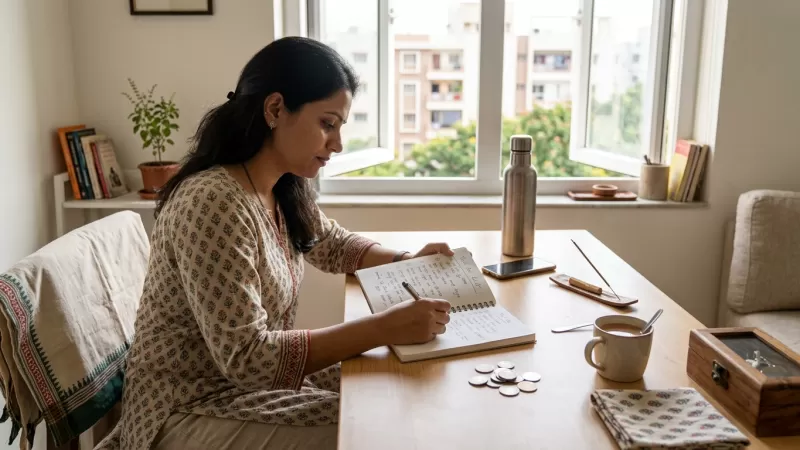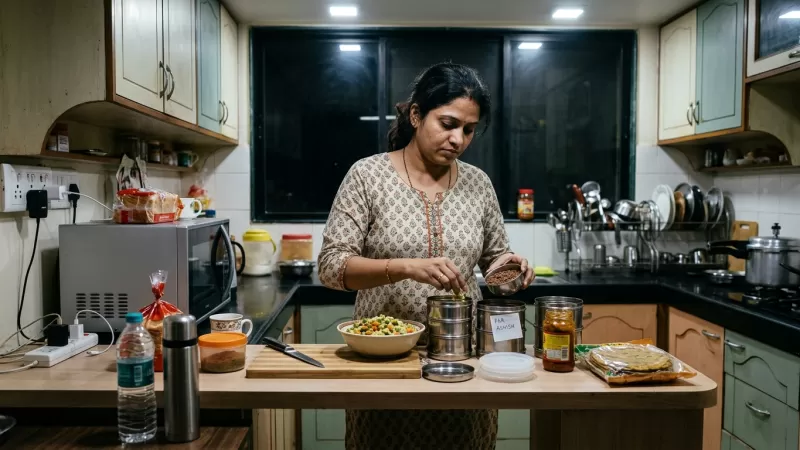
You know those nights. The laptop finally snaps shut at 12:10am after a flurry of emails and the last-minute call from your US client. The house is silent, the fan whirs, and you want nothing more than to sleep after working late — but your head is still buzzing with half-finished code, tomorrow’s meeting, or the family WhatsApp group’s latest drama. In many Indian homes, especially during long stretches of late-night work, this sharp switch from work mode to sleep mode doesn’t come easy.
Chasing quality sleep after late work is not just about closing your eyes and hoping for the best. It’s about what you do — and don’t do — in those precious few minutes between logging off and lying down. The small details in this transition can make all the difference for Indian professionals who work late, often on a tight clock, and need to wake up ready for another packed day.
Why Indian Professionals Struggle To Sleep After Working Late
Across cities like Bengaluru, Pune, or Gurugram, late night work and sleep in India have become tangled together. Many Indian professionals, especially in IT and finance, work late into the night. It’s not just the workload — sometimes calls with overseas teams or urgent deadlines push dinner and downtime further ahead. The result is a brain that’s actively solving problems even as the body is trying to wind down.
In most families, the bedtime routine is already squeezed. Shared spaces, late dinners (sometimes post-10pm), and the expectation to juggle house chores after office work mean that switching off isn’t as simple as flipping a switch. Often, you’ll find someone in the family scrolling on their phone, replying to last-minute texts, or making a mental checklist for tomorrow — all while lying in bed hoping for sleep. The tricky part is, this habit of jumping straight from work to bed rarely brings quality sleep after late work for Indian professionals.
There’s also the cultural part — in many homes, the line between work and personal life is blurred. When your workspace is also the dining table, and your family expects you to be present even at midnight, it’s hard for your mind to realise that work is actually over for the day.
The Brain’s Struggle: Why Quick Sleep Feels So Hard After Late Work
The science is simple but stubborn. When you work intensely on a laptop, especially late at night, your brain is flooded with stress chemicals and alert signals. It’s like your mind is running on high gear. Closing the laptop doesn’t suddenly pull the brakes.
Sleep specialists who study urban professionals often find that Indian professionals work late, sleep quality suffers most when there’s no clean break between work and rest. The mind keeps chewing on problems, replaying tasks, or even worrying about what’s left unfinished. The blue light from screens, the tension of deadlines, and even the background hum of the inverter during a power cut can all keep your brain wired long after you’ve logged off.
Many families have quietly discovered that the usual advice — “just go to bed after working late, you’ll be tired enough” — rarely works. Instead, the brain needs a signal that work is truly over, and that signal is rarely sent by scrolling through news or checking social media in bed. This is why so many Indian professionals find themselves staring at the ceiling, sometimes for an hour or more, long after their last email.
What It Looks Like When Late Night Work Upsets Sleep
- Long stretches of wakefulness after logging off: Often, you lie in bed but the mind is still replaying the day’s work, making it hard to drift off.
- Restless sleep with frequent waking: Even if you do fall asleep, the quality is poor — you may wake up at 3am thinking about tomorrow’s tasks.
- Heavy grogginess in the morning: Waking up feels like a struggle, even after seven hours in bed, because the sleep wasn’t deep.
- Headaches or irritability during the day: Many professionals notice they’re snappier or less patient with family the next day.
- Reliance on caffeine or sugar: After a poor night’s sleep, it’s common to reach for extra chai, coffee, or sweet snacks to push through the day.
Small Habits That Support Quality Sleep After Late Work
- Physically separate work and sleep zones: In many Indian homes, keeping the laptop and office bag out of the bedroom helps signal to your brain that work is done. Even a small action like closing the laptop and putting it in another room can make a noticeable difference.
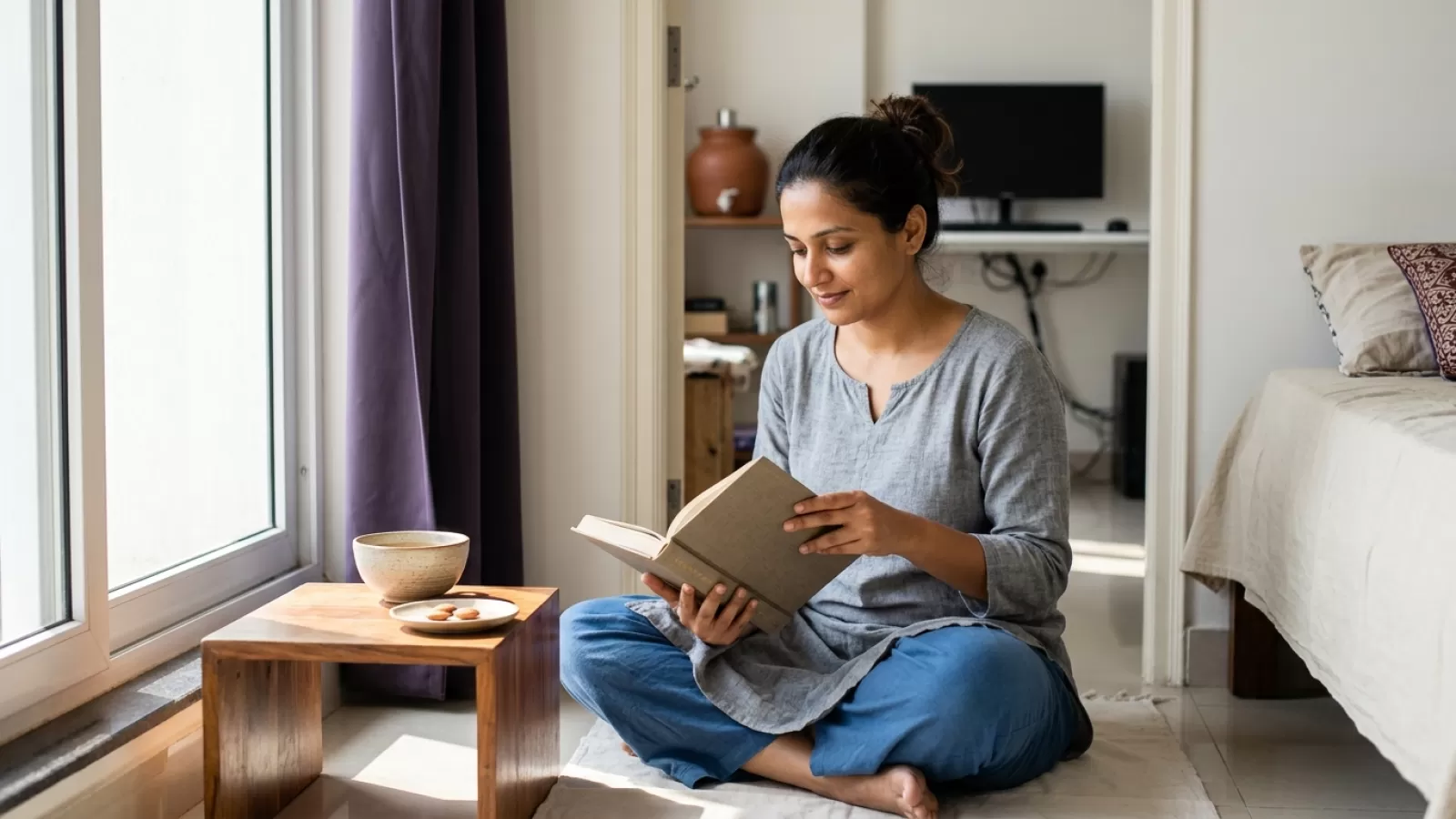
- Absorption-based activities for 10-15 minutes: After late night work, Indian professionals often benefit from a short, non-digital activity that absorbs attention but doesn’t excite the mind. This could be folding laundry, watering balcony plants, or even reading a few pages of fiction (not work-related news). The key is that it’s unrelated to your job and doesn’t involve screens.
- Warm, familiar comfort: Having a small cup of warm milk with a pinch of haldi, or sipping plain warm water, can gently ease the body. Many families find that these rituals, even when brief, help signal “day is done” in a way that scrolling on the phone cannot.
- Dim the lights and quiet the space: Switching off bright overhead lights and turning on a small lamp or nightlight after work hours helps your body wind down. Some people use a ceiling fan or white noise (like the hum of the AC) to drown out city sounds.
- No work talk in bed: Many couples and roommates in Indian apartments have made a small rule — after a certain hour, no discussions about office, salary, or tomorrow’s emails in the bedroom. This helps keep the boundary between work and rest a little clearer.
The one habit that often changes the outcome most? A conscious, brief, non-work transition activity — not more phone time, not quick household chores, but something absorbing and neutral. For some, it’s five minutes of doodling, for others, arranging the pillows just right or even listening to soft instrumental music.
How Working Late And Sleep Problems Show Up In Indian Homes
Late night work and sleep in India often create a quiet tension in the household. In joint families, you might notice one person tiptoeing around at 1am, careful not to wake others. In nuclear setups, it’s common to see the glow of a laptop from the bedroom while the rest of the house sleeps. The next morning, breakfast is skipped, or chai is gulped down faster than usual because everyone is running late.
Some families have started setting gentle boundaries — the dining table becomes a no-laptop zone after 11pm, or “quiet time” begins after the last family member turns in. During summer, when nights are hot and tempers short, the effects of disrupted sleep after working late become even more obvious: more arguments over chores, more groggy faces at the breakfast table, and sometimes, a silent agreement to skip morning walks.
Many professionals quietly discover that their sleep quality after late work improves most when the transition from work to rest is respected, even if just for 10-15 minutes. It’s these small changes, repeated, that gradually reshape the household rhythm.
When Late Work And Poor Sleep Call For A Bigger Change
Usually, occasional late nights don’t create major problems. But if you notice that poor sleep after late work is becoming the norm — you feel exhausted most mornings, struggle with mood swings, or your family points out you’re always tired — it may be time to pay closer attention.
In some homes, repeated poor sleep after late work leads to headaches, digestion issues, or tension at home. If you find that none of the practical steps seem to help, or your health (or your relationships) are suffering, it’s wise to speak with a doctor. Sometimes what feels like “just work pressure” may need a more serious look, especially if your sleep problems persist for weeks.
Common Questions
Every household has its own way of handling late nights, but some patterns are nearly universal now. If you’re looking for realistic ways to get better sleep after working late, you’re not alone. Here’s what many Indian families want to know when late night work and sleep just aren’t matching up.
What specific habits most help Indian professionals fall asleep quickly after working very late?
In many Indian homes, the most helpful habits are short, non-work rituals. This often means putting away the laptop in a different room, spending five to ten minutes on a calming, hands-on activity (like folding clothes or watering plants), and avoiding screens or work discussions in bed. Some professionals find that a warm glass of milk or listening to soft, instrumental music helps. Keeping the bedroom dark and cool, with minimal noise, also supports falling asleep faster after late work.
How do you create adequate mental transition from late-night work to sleep when the available transition time is very short?
The trick is to use a simple, neutral activity that absorbs your mind but doesn’t stimulate it further. This could be arranging your wardrobe for the next day, doing gentle stretches, or sitting quietly with the lights dimmed for five minutes. The key is to avoid screens and anything related to work. Even a brief disconnect, if done regularly, helps the brain shift gears from work mode to rest mode—especially for those working late in India’s busy cities.
Is there a minimum time between ending late-night work and attempting sleep that most Indian professionals need for reasonable sleep quality?
Most Indian professionals find that 10 to 20 minutes of a calming, non-work routine is enough to improve sleep quality after late work. You don’t always need a long wind-down; even a short, intentional break helps the mind settle. If you’re racing straight from Zoom calls to bed with no pause, sleep tends to be restless. Giving yourself at least 10 minutes, even if it’s just sitting quietly or putting away your work things, usually makes a noticeable difference.
What activities in the final 15 minutes before a late sleep most help the brain shift from work mode to rest mode?
Absorption-based, neutral activities work best. This can be folding laundry, watering plants, reading a page or two of light fiction, or listening to calm music. In many Indian homes, switching off bright lights and having a warm drink (like milk or herbal tea) also helps. The main thing is to avoid anything that keeps your mind active or brings work thoughts back. Even a few minutes of quiet, screen-free time can reset your brain for sleep.
When does the combination of late work and poor sleep quality in Indian professionals produce health consequences significant enough to require a genuine change in the work pattern?
If you’re waking up tired most days, finding it hard to focus, feeling unusually irritable, or your family notices changes in your mood or health, these are signs to take seriously. In some Indian homes, ongoing sleep trouble after late work leads to headaches, frequent colds, or strained family relationships. If problems last for weeks or start affecting your daily life, it’s best to speak with a doctor and consider changes to your work schedule or habits for long-term health.