Even in the earliest hours, Indian homes tend to wake up at full volume. A pressure cooker whistles, slippers shuffle between rooms, someone’s phone alarm is still ringing. There is a steady rhythm—everyone moving quickly, trying not to fall behind. But here’s something that’s quietly true: learning how to slow down Indian daily life isn’t about cutting back on what you do. It’s about bringing more presence to what’s already in front of you, so you finish the same work, but without that drained, scattered feeling.
In many families, the difference between a rushed day and an unhurried one is almost invisible to the outside eye. The same tasks are completed—packing tiffins, logging into meetings, folding clothes, preparing chai—but the experience is completely different. The tricky part is, you don’t realize the toll of constant rushing until you pause, even slightly, and notice how much more settled you feel.
Why Many Indian Adults Feel Rushed, Even When They Stay on Top of Everything
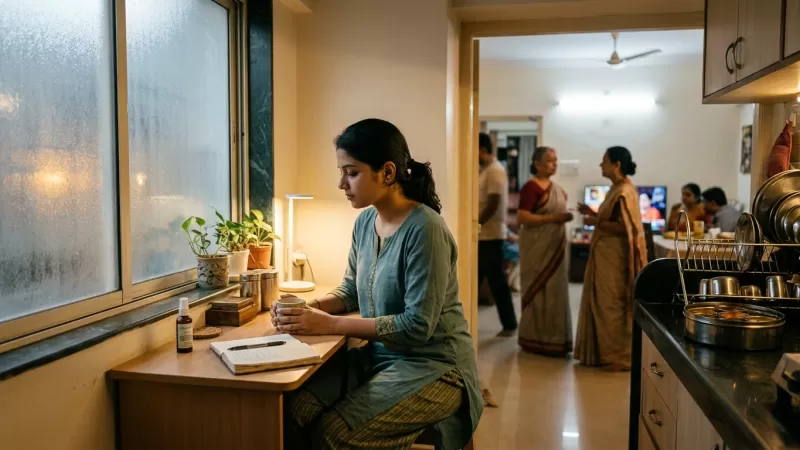
It’s not just because there’s a lot to do—though, let’s be honest, there usually is. In Indian homes, routines are tightly packed. Morning routines often overlap: one person making rotis, another preparing uniforms, someone else juggling a last-minute WFH call as the milkman rings the bell. Shared spaces mean family members move around each other, often multitasking out of habit. The expectation, especially in joint families or busy nuclear setups, is that you keep up a certain pace, or risk being seen as lazy or falling short.
There’s also a cultural pride in being busy. In many conversations, when someone says, "Bas, din ka pata hi nahi chala," it’s almost a badge of honour. You’re supposed to manage home, work, and social commitments without showing signs of wear. Even seniors, who have technically retired, often fill their days with errands, phone calls, and family responsibilities. It’s not unusual to feel like you’re always racing against the next thing, even if you’re technically on schedule.
Why the Rush is So Hard to Break in Indian Routines
The root of the matter is often invisible. Children grow up seeing their parents juggle everything at top speed. Many adults start their day with a mental list that never really ends—there’s always another phone call, another load of laundry, a meal to prep, a WhatsApp group to check. Power cuts, traffic jams, and sudden guests can throw off a carefully balanced schedule at any moment. For working professionals, especially those commuting in big cities like Mumbai or Bengaluru, the daily grind is intense. Even weekends are filled with family visits, school projects, or festival preparations.
Here is the catch: the pressure to keep moving fast comes from outside and within. Social media feeds show friends who seem to "do it all". Parents, in-laws, or neighbours sometimes make quiet comments about how much you accomplish. The idea that slowing your pace means falling behind is deeply woven into daily life. Yet, fitness coaches who train working adults often find that most movement in Indian homes comes from daily tasks, not planned exercise. This means there’s already a natural flow to life, but it’s rarely noticed because everyone is so focused on speed.
Clues That You’re Moving Too Fast, Even If Nothing Gets Dropped
- You finish everything, but can’t remember what you did: At night, you lie in bed and the whole day is a blur. Meals cooked, work done, but nothing stands out.
- Small mistakes become frequent: You forget salt in the dal, send a half-written WhatsApp reply, or leave the milk out.
- Short temper and restlessness: Even little things—like someone leaving shoes in the wrong place—feel overwhelming.
- Meals and chai are gulped down, not enjoyed: Breakfast becomes a task to get through, not a moment to pause.
- Rest never feels refreshing: Even after sitting down, your mind keeps racing through what’s next.
Ways to Slow Down Without Doing Less in Indian Homes
- Savour the transitions between tasks: Instead of jumping straight from chopping vegetables to rolling rotis, pause for a single breath in between. It sounds too simple, but in many homes, this tiny gap creates a sense of space.
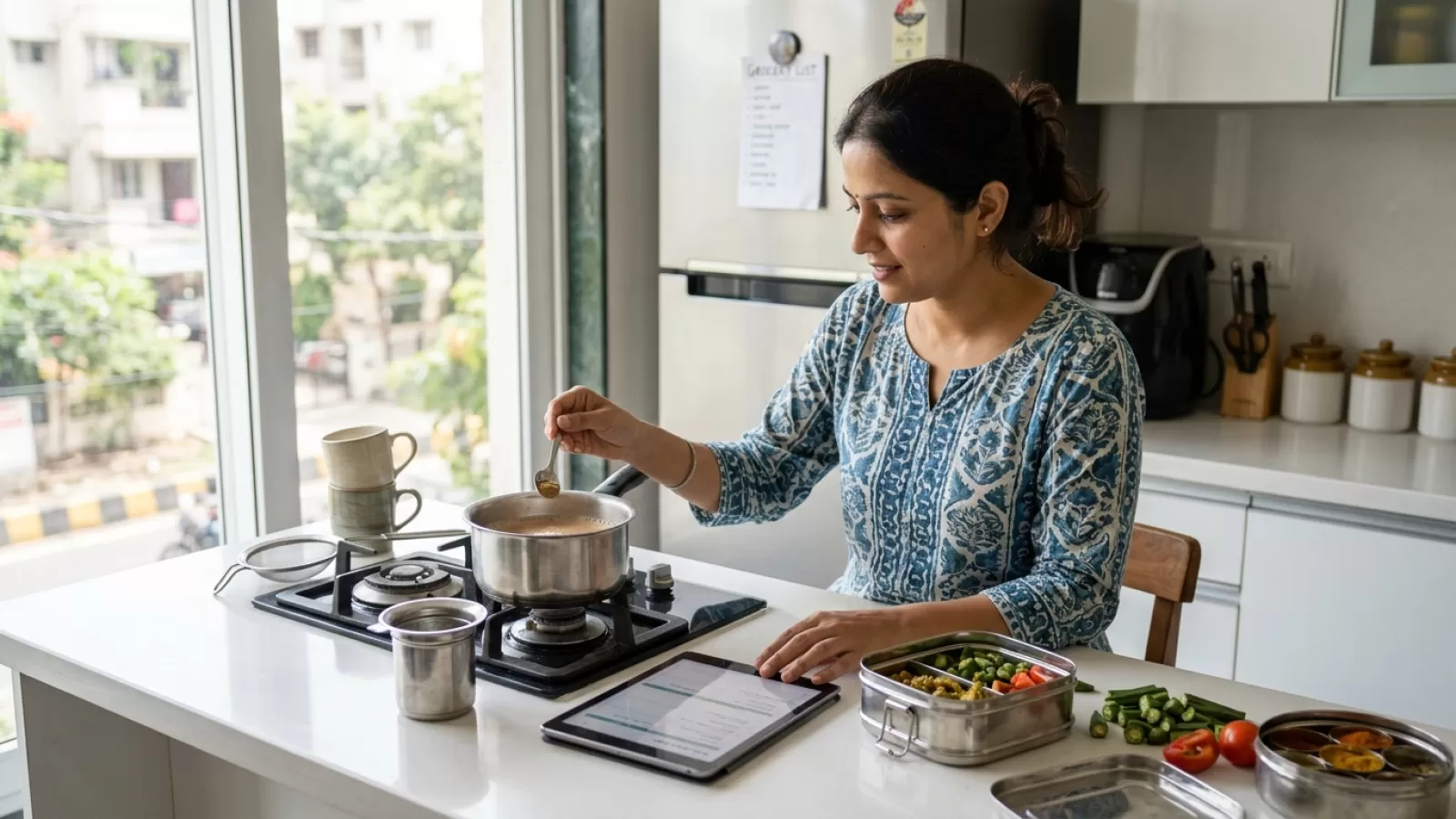
- Make ‘single-tasking’ a quiet experiment: For one meal prep, do just one thing at a time—wash the bhindi fully, then cut, then cook. Many homemakers are surprised to find the meal takes the same amount of time, but feels less exhausting. This is a practical way to slow down without doing less in India.
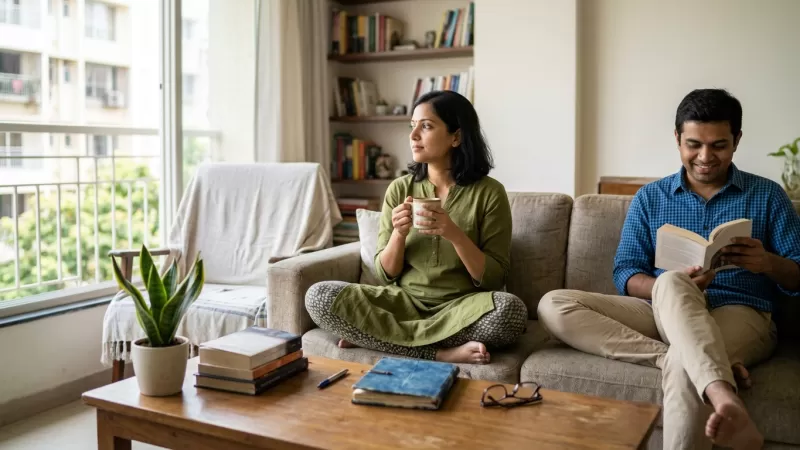
- Protect small moments for yourself, even in shared spaces: During humid summer evenings, step out on the balcony with your chai. Notice the breeze, the smell of rain, or the distant traffic. You’re not shirking work, just allowing a sustainable pace as an Indian adult.
- Use household rhythms as signals, not alarms: The whistle of the cooker, the bell of the ironing man, the sound of the evening aarti—let these remind you to pause for a second, not to rush through the next thing.
- Let some tasks remain unfinished for a few minutes: If the laundry can wait five minutes, use that time to sit quietly, even if someone in the family raises an eyebrow. Reducing rush in India without compromise often means trusting that small delays won’t bring chaos.
How Slowing Down Looks in Indian Routines and Seasons
There’s something you notice in homes during the monsoon. The rain slows down the city, and suddenly, families gather in the kitchen, waiting for chai and pakoras. The outside world is rushing, but inside, people move at a softer pace, chatting, sharing stories, even as the same chores get done.
On mornings when everything runs late, some families have quietly discovered that switching off music or the TV during breakfast makes the meal feel calmer, even if everyone still leaves at the usual time. A working professional commuting in Bengaluru might finish a presentation in the same hour, but when they close their email tabs and focus on one task, the day feels less draining. In many Indian homes, children notice when adults are present—really listening, not just nodding—during evening conversations. The housework doesn’t pile up. It just happens with a different feeling.
How to Know When to Ask for Help in Managing Your Pace
You don’t need to wait until you’re burnt out. If you notice that even short breaks feel impossible, or you’re constantly irritable with family, it’s worth talking to someone you trust. Sometimes, a friend or family member can help spot patterns and share how they manage. If your mind never settles, or if slowing down brings up feelings of anxiety or sadness, it’s okay to reach out to a professional. Sometimes, the support you need is simply permission to move at a sustainable pace, especially as an Indian adult living with many responsibilities.
Common Questions
These days, many families are quietly asking themselves whether life really needs to feel this rushed. If you’re wondering about how to slow down Indian daily life without letting go of your responsibilities, you’re not alone. Let’s look at some of the questions that come up most often, and how they play out in real homes.
Is it genuinely possible to slow down in Indian adult life without the work piling up and falling behind?
Yes, and many have found it’s about shifting how you move through your day, not dropping tasks. For example, in a Chennai flat, a homemaker preps lunch and dinner ingredients together, moving at an even pace instead of rushing. She finishes the same work, but feels less scattered. The secret isn’t doing less, it’s being present with what you’re doing. Over a week, this tends to lead to fewer mistakes and less wasted effort, so nothing piles up.
How does the pace at which you move through daily tasks in India affect the quality of what gets done?
The pace changes everything. In many Indian homes, when you rush, meals are more likely to be bland, and small chores get missed—like not checking if the gas is off. When you slow down without doing less, things tend to be done with more care. Clothes get folded properly, conversations go deeper, and even your own mood feels lighter. A sustainable pace for Indian adults leads to work that feels more satisfying—not just more efficient.
What is the most effective single practice for an Indian adult who wants to create more spaciousness in a day without dropping anything?
Start by protecting short pauses between activities. For instance, after returning from the market, sit for two minutes with a glass of water before you start sorting vegetables. This small ritual helps shift your mind and body from one task to the next, creating space without losing time. Many find this habit makes daily routines less overwhelming and helps reduce rush in India without compromise.
How do you resist the Indian cultural pressure that equates busyness and speed with competence and worthiness?
This pressure is real in most Indian families. One way to resist is to quietly model a different pace. When you respond to a request by saying, “I’ll do it in ten minutes, not now,” or when you choose to eat breakfast sitting down, others may notice you're still dependable. Over time, some family members may even join you. It’s not about convincing everyone, just practising your own sustainable pace as an Indian adult.
What is the relationship between the pace of daily life in India and the quality of rest that follows?
When you move through daily life at breakneck speed, real rest doesn’t arrive, even if you sit down. Your mind stays wired, and sleep can feel restless. In a Delhi home during summer, when the whole family eats dinner together—phones away, conversation unhurried—everyone tends to sleep better. Slowing down during the day creates space for genuine rest at night, which then makes the next day’s work feel less crushing. It’s a circle that starts with small changes in pace.