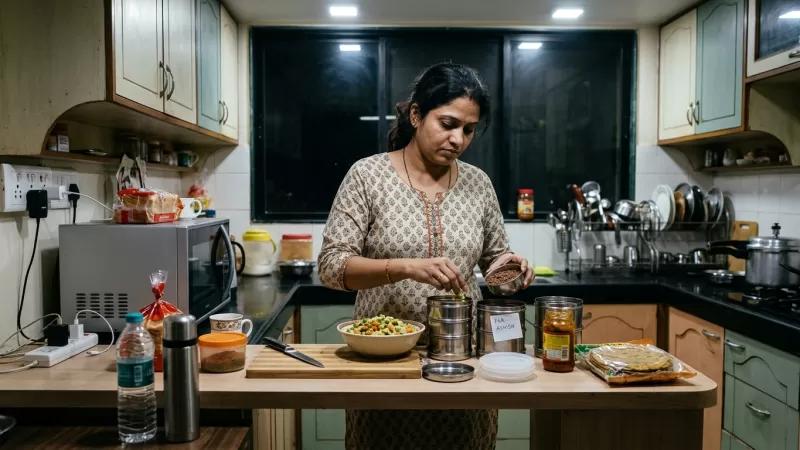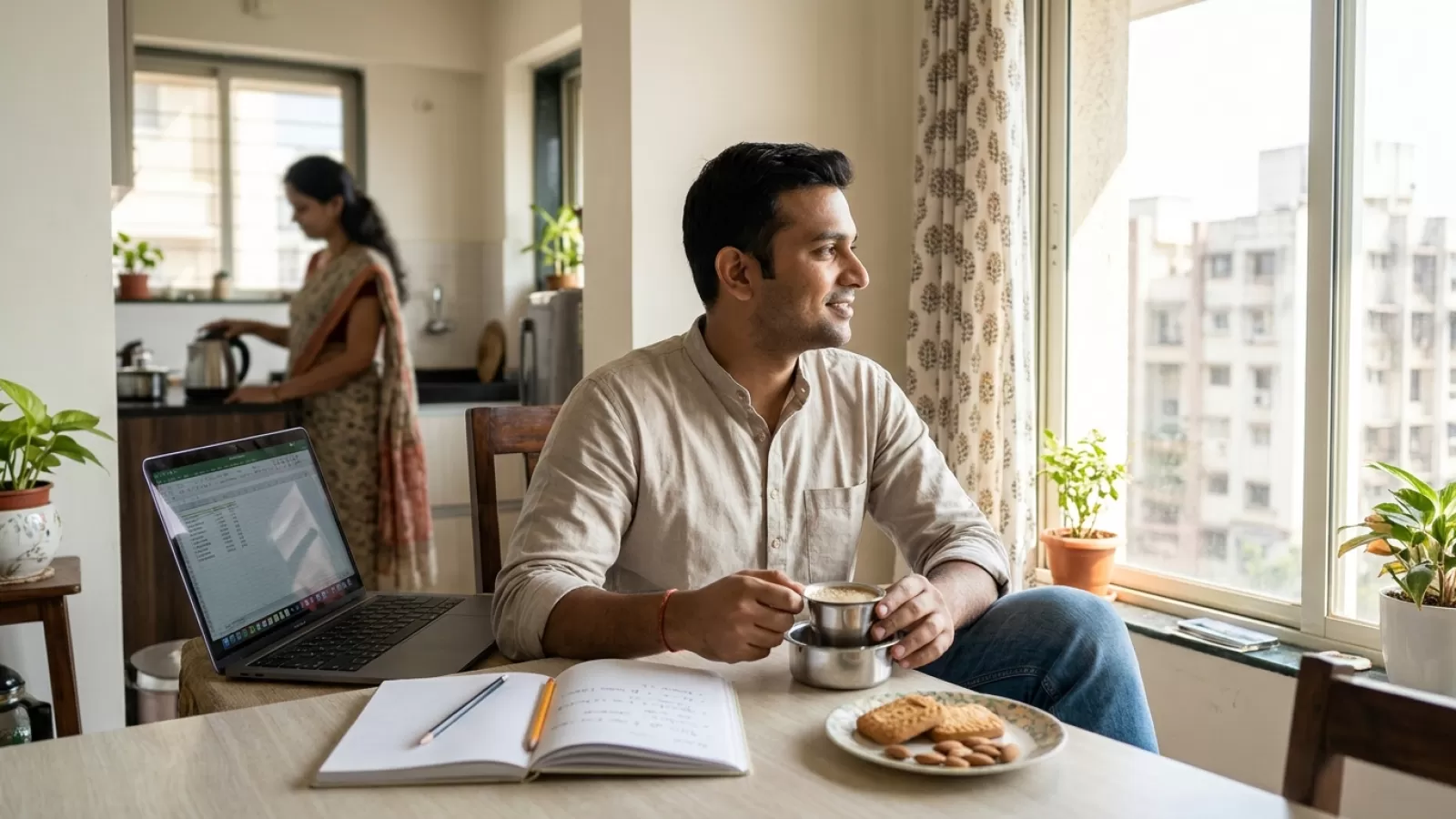
There is a certain hum in the early mornings of Indian homes — pressure cookers whistling, the faint clatter of tiffin boxes, slippers shuffling on cool tiles. Before the sun is properly up, many Indian professionals are already thinking about balancing work and rest, but it rarely feels like an equal equation. The work rest balance Indian professionals seek so often slips quietly out of reach, not because of lack of effort, but because rest is treated as a reward rather than a foundation.
This habit of working hard and only then "earning" a break runs deep. Even when a holiday comes, there is a quiet tension — an urge to check email, an itch to be useful, or that vague guilt of “not doing enough”. For most, real rest feels like a distant cousin of productivity — always welcome, never quite at home.
Why Indian Professionals Often Struggle to Rest Even When They Want To
In many Indian homes, professional success is built on a culture of effort. Working late is seen as dedication. Rest, on the other hand, tends to be reserved for after a job is done — or worse, after complete exhaustion. So when you finally take a day off, your mind stays busy, scanning for things left undone. The tricky part is, this pattern is so normal that most people don’t realise it is a choice — not a law of nature.
Parents set the tone early, often praising children for pushing through exams or long study hours. Later, offices reward “stretching” for deadlines, and families quietly admire those who seem tireless. If you pause, there’s a risk someone (even your own inner voice) will label you as lazy or not ambitious enough. This is not just about willpower — it’s about what everyone around you appears to value.
It is common for professionals to feel restless on a rare free evening. You might sit down with chai, only to find your mind running through tomorrow’s tasks or feeling guilty for “wasting time”. For many, this is how the work rest balance Indian professionals crave gets lost — not through lack of desire, but through habits shaped over years.
How Cultural Expectations Shape Our Attitudes Toward Rest
There is a strong undercurrent in Indian society: work comes first, and rest is something to be “deserved”. Rarely is rest treated as a basic human need. Many homes run on the idea that only after you’ve ticked everything off your list — office work, family chores, helping children with homework — can you allow yourself a little downtime. If there’s a power cut or a sudden break, most adults immediately look for something else useful to do.
Work-from-home setups, especially after 2020, have blurred the lines further. When your dining table doubles up as your office, the temptation to “just finish one more thing” after dinner grows stronger. The expectation to always be reachable — on WhatsApp, Teams, or a quick call — means your mind never quite switches off. Many Indian professionals report feeling present at home but not truly at rest, always half-ready to respond to work.
It’s not just about work emails either. Even leisure activities, like watching a cricket match or catching up on a web series, often come with a side dish of guilt. Productivity culture is so woven into daily life that genuine relaxation feels selfish or wasteful. Psychologists who work with urban families often find that most Indians have never actually practiced resting — they only know how to distract themselves between demands.
Everyday Clues That Your Work-Rest Balance Is Off
- Feeling tired even after a day off. You might take a Sunday to "relax" but feel no better by Monday morning. In many homes, this is chalked up to age or stress, but it often means rest isn’t truly restful.
- Guilt during downtime. If you sit with your evening chai and feel you "should" be doing something — folding laundry, replying to messages — that's a sign. True rest doesn’t come with guilt as a side effect.
- Constant multitasking. Watching TV while emailing, or eating dinner while planning tomorrow’s to-do list. When every break is filled with another small task, rest never gets a real chance.
- Short tempers and low patience. Irritability, snapping at family, or feeling overwhelmed by small things. This is sometimes your mind signalling that it’s running on empty.
- Difficulty sleeping or waking up tired. A restless mind shows up at night. Even a full night’s sleep doesn’t help if your brain never switches off during the day.
Practical Ways to Build Rest Into a Busy Indian Workweek
- Schedule small pauses, not just long breaks. Instead of waiting for the weekend, build 10-15 minute pauses during your day — after lunch, before evening chores, or even between meetings. Stand on the balcony, sip a glass of nimbu paani, or just close your eyes for a bit.
- Try “single-tasking” for rest. If you’re eating poha, eat it without the phone or laptop. If you’re taking a walk after dinner, leave your headphones behind sometimes. Let your mind wander. Even a little bit of true focus can help reset your energy.
- Name and defend your rest time. Tell family or colleagues, “I’ll be unavailable for the next 20 minutes.” It feels awkward at first, but it signals to your brain (and others) that this time matters. Many families in Indian cities have quietly discovered that when even one person protects their rest, others start to join in.
- Swap “productive” evening routines for restful ones. Instead of scrolling through work WhatsApp or catching up on chores, try gentle activities — listening to old songs, doodling, or even staring out of the window. These habits fit smoothly into busy homes and don’t require special equipment or planning.
- Notice and interrupt guilt. When you catch yourself feeling guilty for resting, pause and ask, “Would I expect my loved ones to work like this?” Often, the answer is no. That realisation can make it a little easier to give yourself permission.
The Subtle Ways Work and Rest Intertwine in Indian Homes
During the hot summer afternoons, it’s common to see older family members lying down for a short nap — a practice that younger professionals rarely allow themselves. In many joint families, seniors know how to rest, but the working adults keep moving, answering calls even as the fan whirs above.
Late dinners are another sign. After returning home, finishing up office work, and squeezing in family time, most professionals eat late and then collapse in front of the TV. This is sometimes called rest, but the mind is still buzzing — thinking about tomorrow’s meetings or school pickups.
A working professional commuting in Bengaluru might use the metro ride to catch up on emails instead of just gazing out the window. Even in smaller cities, the urge to make every minute “useful” is strong. It’s rare to find someone who truly lets themselves be unproductive, even briefly.
The catch is, rest woven into daily routines — a slow breakfast with dahi and fruit, five quiet minutes on the terrace, an evening walk without the phone — supports ambition far more than pushing through without pause. This is how balancing work and rest in India can become a quiet strength rather than a constant struggle.
When It’s Time to Seek Support
If you notice that tiredness, anxiety, or sleep problems just don’t go away despite trying small changes, it’s wise to reach out. Sometimes, the body or mind needs extra help to reset old patterns. A family doctor or mental health professional can offer guidance that fits your needs. There’s no weakness in asking; it’s just another form of care — the kind you’d offer to your own family.
Common Questions
Many Indian professionals wonder if things can really change, especially when everyone around seems to be running on the same treadmill. Here are some warm, real-world answers to questions that come up in homes across the country.
Why do Indian professionals find it so difficult to rest well even when they have the opportunity to do so?
It often comes down to habits and expectations set from childhood. In many Indian families, people are praised for working hard and keeping busy. So, even when you get a rare break — say, a long weekend — you might feel uncomfortable or even guilty about doing nothing. The mind keeps searching for ways to be useful. Over time, it becomes hard to switch off, even when the chance for genuine rest is right in front of you.
What is the difference between not working and genuinely resting for an Indian professional?
Not working usually means you’re off the clock but still thinking about tasks, checking emails, or feeling pressure to catch up. Genuine rest is when your mind and body both get a break — you aren’t worrying about unfinished work, and you don’t feel guilty for relaxing. For example, sitting with chai on your balcony and watching the rain, without checking your phone or making mental to-do lists, is real rest. The difference is in the feeling of permission to pause.
How do you build recovery into a working week rather than waiting for weekends or holidays?
Many families in Indian cities have quietly discovered that small, daily pauses work better than waiting for the weekend. Taking ten minutes after lunch to sit quietly, or a short walk before dinner, can help your mind reset. Even preparing a simple meal like khichdi together can be restful if you let yourself enjoy the process. The key is to find moments in your regular routine, instead of saving up all your rest for a few special days.
Is it possible to be both genuinely ambitious in Indian professional life and genuinely well-rested?
Yes, but it does take practice. Many ambitious professionals in India learn that they do their best work when they build in small pockets of rest. This might look like taking a few minutes each evening to read, stretch, or just listen to music. Over time, this makes their work stronger — not weaker. The challenge is to let go of the idea that only constant activity leads to success.
What are the most effective ways for Indian working adults to rest that are compatible with a demanding professional schedule?
The most effective ways tend to be simple: short afternoon naps when possible, quiet tea breaks, or even letting yourself daydream while preparing dinner. For some, listening to music, tending to balcony plants, or playing with children helps the mind switch gears. The trick is to start with small, regular pauses — not waiting for a big holiday. These habits fit more naturally into busy Indian routines than grand plans for "self-care".