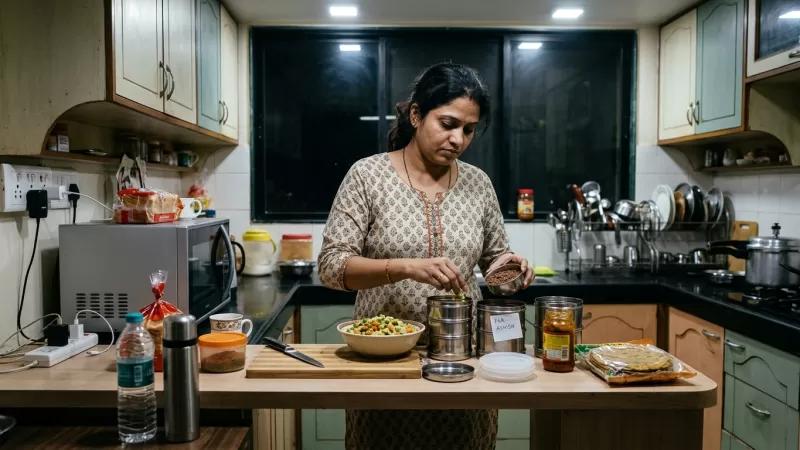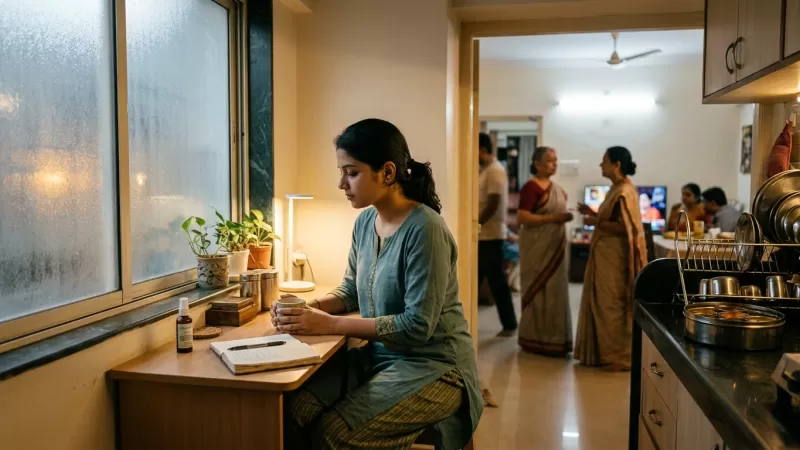
On a humid afternoon in June, a Bengaluru working parent stares at a WhatsApp group, unable to type a single word. It’s not the complexity of the message — just the act of choosing the right emoji feels too much. In many Indian homes, the steady drip of decisions — what to cook, how to handle a neighbour’s request, which child’s school project to help with — means that by the time someone asks, “What’s for dinner?”, the mind feels blank. Decision fatigue tips India can sound like a luxury, but for most adults, it’s become a quiet necessity after years of handling too many decisions in Indian adult life.
Across urban and semi-urban families, the feeling of running out of “decision power” isn’t rare. In fact, by the time dahi is set for the evening and the last meeting ends, choosing between poha or upma for breakfast tomorrow may feel like an uphill climb. These small, relentless choices add up, and reducing mental load in India daily is something many quietly crave, even if few talk about it.
Why Everyday Indian Life Feels So Full of Decisions
It’s easy to underestimate how many decisions Indian adults make before lunch. The truth is, in most households, choices start early: which gas cylinder to use if the power goes out, how to balance the day’s sabzi with leftovers, whether to send the child to school with an umbrella, and how to juggle the boss’s sudden request with a parent’s medical appointment. Each of these is small on its own, but together they create decision overload in Indian working life.
In many joint families, the number of people, preferences, and roles multiplies the decisions. It’s rarely about large, dramatic choices. More often, it’s the slow build-up of little ones: which brand of oil to pick when the old one finishes, how to politely decline a neighbour’s invitation without hurting feelings, or whether the fan should be left on to keep the room cool during a power cut. The tricky part is, these moments never feel like "big decisions"—but you still feel the weight by midday.
For working professionals, especially those juggling WFH and office schedules, the overlap of work and home decisions can feel endless. There’s the 11am call while checking if the milk has boiled over, and the sudden need to decide whether to mute yourself or apologise for a barking dog in the background. The lines blur, and so does your energy to make even the smallest choice.
The Reasons Behind This Steady Drain
Decision fatigue tips India are more relevant than ever because life here is woven from daily micro-decisions. The reasons are often cultural and practical. In many Indian households, expectations are high — from elders, children, workplaces, and even from oneself. There’s a silent pressure to handle everything smoothly, especially for homemakers and caregivers. Family members tend to rely on one or two people to keep things running, which means those people carry a larger share of decisions.
Workplaces add another layer. Decision overload in Indian working life often comes from juggling too many roles — manager, team member, tech support, and home chef — all in one day. And with hybrid work, the boundaries have blurred. Many adults now find themselves switching from a work call to a call from the colony plumber within minutes.
Social norms also play a part. Saying “no” is hard in many Indian families, so people end up agreeing to small requests — an extra serving, a last-minute errand, a quick favour. Over time, these tiny yeses pile up and drain your decision-making battery. Experts in behavioural science often find that Indian adults experience the highest mental load not from tough decisions, but from the continual stream of small, everyday choices that rarely get noticed or appreciated.
Then there’s the expectation to be flexible. Rigid routines are rare — after all, a power cut, a sudden guest, or a child’s fever can change the day’s plan in a flash. This means most people are always “on”, ready to adjust and decide again and again, which quietly eats away at energy.
Everyday Signs You’re Running on Empty
- Feeling stuck on simple questions. When someone asks what you want for tea and your mind goes blank — that’s decision fatigue. It’s not that you don’t care, you just can’t pick.
- Irritation at small choices. Snapping at a child for asking “Which tiffin should I take today?” or feeling frustrated when your partner asks about dinner plans is a common clue.
- Procrastination over ordinary tasks. Putting off replying to a message, or letting laundry pile up, isn’t always laziness. It’s sometimes the brain saying “enough decisions for now.”
- Craving sameness. People might find themselves eating the same dal-rice for days or watching the same TV show, simply because it means one less decision to make.
- Physical tiredness without a clear reason. When you feel exhausted even if you haven’t done much physical work, it’s often a sign your mental energy is spent on too many decisions.
Practical Ways to Lighten Your Daily Decision Load
- Micro-routines for little things. Instead of planning an entire week’s meals (which rarely works in Indian homes), have a loose morning or evening pattern. For example, dahi-chawal on Mondays or poha on Wednesdays. This small rhythm helps reduce the number of food choices each day.
- Share the load where possible. Many families in Indian cities have quietly discovered that letting children pick their own tiffin or letting elders choose the TV show gives everyone a break. You don’t always have to be the default decider.
- Use “default” choices for regular tasks. For recurring things — like which detergent to buy, or what brand of tea to keep stocked — just stick with what works. Save your decision energy for things that really need it.
- Set gentle boundaries for requests. It’s okay (really) to say, “Let me get back to you after lunch,” instead of replying instantly to every message or favour. This slows down the stream of choices and gives your mind short breaks.
- Pause before the next decision. When you feel that familiar tiredness, try a 2-minute break. A glass of water, a few deep breaths, or a walk to the balcony can help reset your brain. Sometimes, this tiny pause brings back just enough clarity to finish the day.
How Decision Fatigue Shows Up in Indian Homes and Workplaces
It’s around 7:30pm in many Indian cities. Parents log off from laptops only to be met with a chorus of “What’s for dinner?” In some homes, the person who runs the kitchen has already answered so many questions — what to make for tiffin, how to manage the maid’s leave, which bill to pay first — that even choosing between chapati and rice feels impossible. The family might end up ordering from the regular nearby restaurant, not because anyone craves it, but because it’s the path of least resistance.
In offices, it’s common for a professional to handle urgent work choices all day, only to come home and feel utterly indecisive about small things — what to watch, when to go for a walk, whether to call a friend. The mental load doesn’t look dramatic, but it shapes every evening. Over time, the quiet strain of too many decisions in Indian adult life can show up as reduced patience, forgotten chores, or that feeling of “just needing a break” from everything.
When It’s Time to Reach Out for Help
If you find that daily decisions leave you feeling anxious, unable to rest, or affect your sleep and relationships, it may be time to talk to someone you trust. This could be a family member, a close friend, or even a professional. Sometimes, reducing mental load in India daily requires more than just tips — it needs shared understanding and, occasionally, expert support. Don’t hesitate to seek it if daily life feels too heavy, even after trying the usual adjustments.
Common Questions
It’s easy to feel like you’re the only one struggling with too many decisions in Indian adult life, but this is a quiet reality in many homes. Here are some warm, practical answers to the questions people often ask about decision fatigue. If you see yourself in these scenarios, know that you’re not alone — and small changes really can help.
Why do Indian adults feel so mentally drained by the end of the day when most of the decisions made were individually small?
Most Indian adults face an endless stream of choices — from morning chai to last-minute guest arrivals. While each decision is small, their cumulative effect wears you down. The mental juggling act, especially in homes where you manage elders, children, and work, means your brain rarely gets a break. By the evening, your decision-making “muscle” is simply tired out, which explains why even picking what series to watch can feel overwhelming after a busy day.
What are the most effective ways to reduce daily decision fatigue in Indian adult life without creating rigid inflexibility?
The most useful approach is to create soft routines for regular tasks, like having set meal patterns or a default time for evening walks, without making them strict rules. Sharing decisions — for example, letting children or elders choose occasionally — spreads out the load. Also, giving yourself permission to postpone non-urgent choices (like which kurta to wear) until you have more energy helps keep things flexible. This way, you lighten your mental load while staying adaptable to daily surprises.
How do Indian homemakers manage the extraordinary number of daily household decisions without becoming mentally depleted by midday?
Homemakers often rely on small hacks — like sticking to a familiar breakfast routine, or prepping basic veggies the night before. Many delegate tiny choices to family members, and some use quiet moments, like chai time, to mentally prioritise tasks. When everything feels overwhelming, they may take a short break (even just sitting near the window) to gather energy before the next round of decisions. These small, practical tactics help spread out the mental effort through the day.
Is decision fatigue a genuine physiological phenomenon or just feeling tired?
Decision fatigue is a real, researched phenomenon. When you make many choices — even small ones — your brain’s capacity to weigh up options and respond calmly gets worn down. In Indian households, where demands and interruptions are frequent, this shows up as mental exhaustion, impatience, or even forgetfulness. While it feels like plain tiredness, it’s specifically linked to the drain of continuous decision-making. If it starts affecting your well-being or relationships, check in with a doctor or mental health professional for support.
What one daily habit change most significantly reduces decision fatigue for Indian adults?
One habit that often makes a big difference is setting a micro-routine for just one part of your day — like always having the same breakfast, or planning your evening chai at a fixed time. This single predictable spot in the day means one less decision, which frees up energy for everything else that comes up. Over time, even this small anchor can help reduce decision overload in Indian working life and at home.