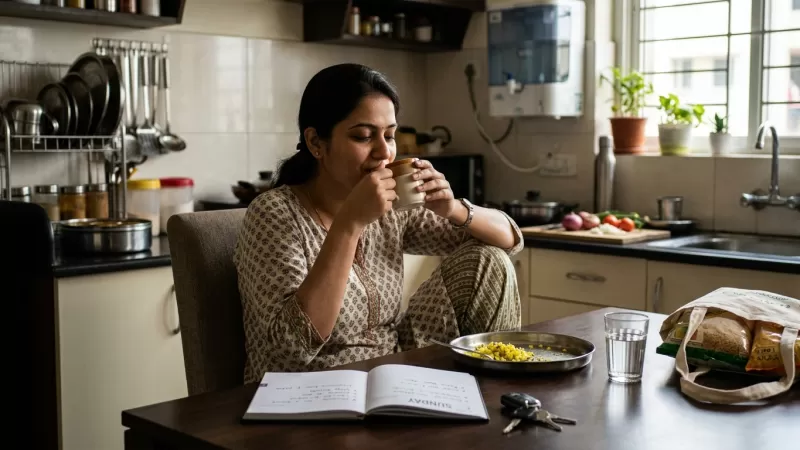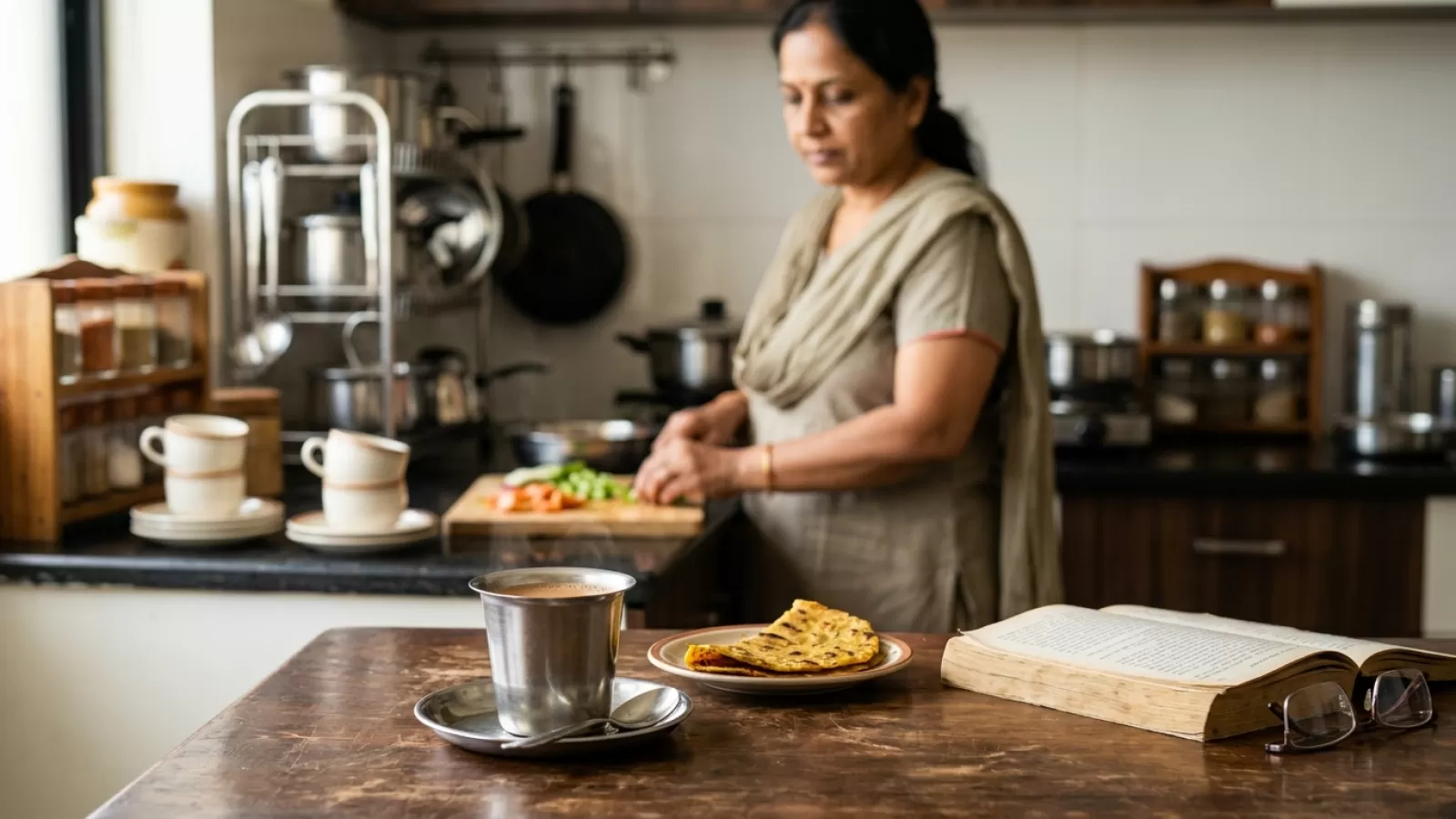
Every Indian household feels like a mini railway station during peak times—festivals, relatives dropping in, end-of-month work deadlines, or even school exam seasons. Sometimes, you just look around and wonder, “Is it even possible to keep my mind calm when everything is moving so fast?” You’re not alone. Most families quietly deal with this organized chaos; the trick is not to stop the train but to find small ways to stay steady as it passes through.
Recognizing Your Own Signs of Overwhelm
First, it helps to actually notice the early signs that you’re stretching yourself too thin. You might find yourself snapping more easily at kids, forgetting simple things, or feeling like your mind is always running ahead to the next task. For many, this happens so gradually that you only realize it when something small—a spilled glass of chai, a misplaced house key—pushes you over the edge.
These days, with so many of us juggling office work from home, online classes, and WhatsApp family groups buzzing all day, the mental load can feel heavier than ever. You’re not failing if you feel overwhelmed. It’s just a sign that your mind, like your kitchen, needs a reset now and then.
Pausing for a moment to recognize your own stress is the first step in regaining balance. You can’t change what you don’t see. And sometimes, acknowledging that you’re tired is more helpful than pretending everything is under control.
Making Space for Micro-Breaks—Even in Chaos
It’s easy to think, “I don’t have time for breaks, there’s too much to do!” But here’s the catch: micro-breaks don’t have to be long or complicated. Even a 2-minute pause can make a difference. In many homes, elders quietly step out to the balcony or just sit with their eyes closed for a moment before the next round of activity. It’s a small but powerful habit.
Some practical micro-break ideas:
- Stand by a window and watch the sky for a minute.
- Drink a glass of water slowly, without multitasking.
- Stretch your arms and roll your shoulders gently while waiting for the cooker whistle.
- Close your eyes and take three deep breaths before opening the front door to guests.
These tiny pauses don’t solve every problem, but they soften the intensity. Over time, your mind starts to expect and appreciate these little moments of calm.
Protecting the Basics: Sleep, Food, and Water
During festival weeks or when guests arrive, sleep schedules often go haywire. Meals might get missed or replaced by endless cups of chai and leftover mithai. It’s tempting to ignore your own needs to keep everything running, but your body usually reminds you in not-so-gentle ways—headaches, irritability, or feeling low on energy.
Try to keep your basics steady, even if the rest of your routine is upside down. You don’t need perfect 8-hour sleep, but going to bed and waking up at roughly the same time helps. If dinners are late, keep lunch or a light snack steady. Many families keep a pot of homemade dal or some plain curd ready so that at least one meal is simple and nourishing.
And don’t underestimate the power of water. Especially with all the sweets and fried snacks during festivals, sipping plain water regularly can help your body (and mind) feel less sluggish.
Gentle Routines That Anchor Your Day
When life feels unpredictable, simple routines act like anchors. It can be as basic as lighting a diya in the evening, making that first cup of morning chai, or sitting together for a quick family meal—no matter how rushed.
These routines don’t have to be time-consuming or perfect. The point is to have something familiar and steady, even if everything else is shifting. Many find comfort in doing one small thing “their way” every day, whether it’s folding clothes, watering the tulsi plant, or reading a few lines from a favorite book or prayer.
What matters is not how elaborate the routine is, but that it brings a sense of normalcy. When life gets busy, these small rituals remind you that some things are still in your control.
Delegating and Saying ‘No’—Without Guilt
It’s common in our culture to try and do everything ourselves, especially when guests are around or during big family occasions. Many feel uncomfortable asking for help, worried it might look like weakness or inconvenience others. But the truth is, most people don’t mind being asked—often, they’re relieved to be included.
Start with easy tasks. Ask children to fill water bottles, request a relative to chop vegetables, or let guests help set the table. You might be surprised how willing people are, especially if you ask with warmth and a smile.
Saying ‘no’ isn’t always easy, but sometimes it’s necessary. If you’re asked to take on something you simply can’t manage—another round of sweets, extra shopping, late-night plans—it’s okay to gently refuse. Most people understand, especially if you’re honest about your reasons.
It’s not selfish. It’s sensible.
Managing Expectations—Yours and Others’
Festivals and busy seasons often come with a silent pressure to do everything perfectly—the best decorations, the tastiest food, a spotless house. Social media adds to it, showing highlight reels of other people’s celebrations. It’s easy to feel like you’re not doing enough.
Here’s a gentle thought: Most memories are built on small, imperfect moments, not grand gestures. Children remember laughing while rolling laddoos, not whether the rangoli was flawless. Guests usually appreciate your company more than the number of dishes on the table.
Try lowering the bar for yourself—just a little. If the house isn’t perfectly clean, or if you need to order food one night, it’s not the end of the world. In fact, these small adjustments often keep you steadier and more present for the moments that matter.
Simple Mind Calmers for Busy Days
It’s not always possible to sit for long meditation or yoga sessions, especially with a house full of people. But there are quick, practical ways to settle your mind, even during a hectic day.
- Listen to a favorite song or bhajan while doing chores.
- Write down three things that made you smile today, even if they’re tiny.
- Wash your face with cool water and notice the sensation for a few seconds.
- Say a silent thank you for one small thing—your morning filter coffee, or a breeze through the window.
These aren’t magic solutions, but they gently signal your mind to pause and reset. Over time, these simple habits can act as a buffer against the mental noise of busy days.
Staying Connected—Even Briefly—with Those Who Ground You
During busy times, it’s easy to get so caught up in tasks that real connection takes a back seat. Yet, a five-minute chat with a friend, a quick hug from your spouse, or just sitting in silence with a parent can be surprisingly steadying.
If you’re feeling especially scattered, try reaching out—even if it’s just a short phone call, a text, or sitting next to someone for a few minutes without talking. Many people find that these small, genuine connections help them feel less alone in the middle of chaos.
In the end, a busy household is almost a given at some point in Indian life. But finding your own small ways to stay grounded—however imperfectly—can bring a sense of steadiness that carries you through the storm, and sometimes, even helps you find little joys within it.