In many Indian homes, especially these days, the idea of creating a daily schedule often sounds much easier than it actually is. You may start the week with a perfectly planned chart—every hour neatly labelled from morning chai to late-night winding down. But then, the phone rings, or the power goes off, or a neighbour drops in unexpectedly, and suddenly the rule-bound day goes out the window. For a lot of us, these strict schedules just don’t work, and frankly, they can leave you feeling even more stressed when life interrupts your plans. Here’s a different approach: creating a gentle daily flow instead of rigid rules. It’s about guiding your day, not controlling every minute.
Why Strict Schedules Tend to Fail in Real Life
There’s a reason why so many people quietly give up on their colour-coded planners or those fancy productivity apps. Life in most Indian families is unpredictable. Your child might fall sick just as you sit down for your evening tea, or someone needs your help with a sudden errand. On festival days, routines get thrown off completely. Strict time blocks often create pressure, and when you miss one, it feels like the whole day has gone wrong.
It’s also true that our homes are rarely silent, empty spaces. There’s the sound of pressure cookers, someone watching TV, a delivery at the door, or a relative calling for a quick chat. It’s nearly impossible to stick to the clock with so many moving parts around you.
As a result, trying to micro-manage every minute can leave you feeling anxious, and sometimes you just want to give up altogether.
Understanding What a "Daily Flow" Means
A daily flow isn’t about following a strict timetable. Instead, it’s about knowing what needs to be done in your day and gently moving from one set of activities to the next. It’s more like a flexible routine—one that gives you direction but lets you adjust based on what’s actually happening.
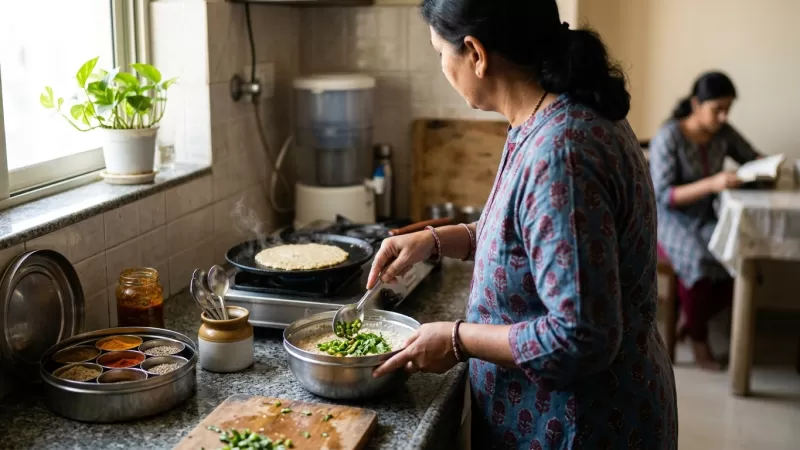
Think of how many Indian kitchens work: the order of cooking (rice, dal, roti, sabzi) is familiar, but the timing can shift, and things may get swapped around depending on the day’s needs. The focus is on the overall pattern, not the precise minute.
This kind of flow respects the fact that sometimes things will take longer, sometimes less. It’s forgiving, and it lets you get back on track when life interrupts.
Anchors and Natural Breaks Instead of Time Blocks
Rather than scheduling exact hours, use natural anchors in your day—like meals, prayer times, or school drop-offs—as your main structure. After all, in most homes, breakfast, lunch, and dinner are already established routines.
- Start your day with a morning anchor—maybe a cup of chai or a quiet prayer.
- Let your next anchor be breakfast, then lunch, and so on.
- Between these anchors, fit in your chores, work, or personal time, letting the natural rhythm guide you.
This way, if something delays you, you don’t feel lost. You just move to the next anchor when you’re able, instead of worrying about missing a specific time slot.
Grouping Similar Tasks for a Smoother Day
Here’s something a lot of working professionals and homemakers already do without realising: batching similar activities together. It’s much easier to wash all the vegetables at once, or to make all the phone calls during a single break, rather than scattering them throughout the day.
Grouping tasks gives your mind a sense of order. You don’t have to keep switching gears, which can be tiring, especially after a long work-from-home session or a busy morning rush.
The trick is to stay a bit flexible. Maybe you’re used to doing laundry after breakfast, but today it rains and you switch it to the afternoon. No big deal. You’re still getting things done, just in a slightly different order.
Giving Yourself Buffers and Breathing Space
One thing many people overlook is the need for breathing space between activities. In joint families, for example, there’s always something unexpected—a guest, a sudden need to help with homework, a quick chat with an elderly relative. If your day is packed too tightly, these moments feel annoying and disruptive.
But when you leave small buffers—say, a few minutes after each main activity—you can handle these surprises without feeling derailed.
- Set aside 10-15 minutes of flexible time after each anchor.
- Use this time to recharge, stretch, or simply do nothing.
- If nothing comes up, you get a nice break. If something does, you’re ready for it.
Truth is, this little breathing space can make your day feel far less overwhelming.
Checking In With Yourself: Gentle Adjustments
Most people don’t talk about it, but it’s normal to lose track during the day. Maybe you get caught up chatting with a friend or scrolling on your phone. Instead of feeling guilty, try a quick mental check-in every few hours.
Ask yourself: Am I on track with my flow? Is there something important I want to get done before the next meal or break?
If you’ve drifted, just nudge yourself gently back. You’re not behind—you’re just moving at a different pace than you expected. Over time, this habit makes it easier to stay loosely organised, even when life is chaotic.
Making Room for Rest and Joy
In many homes, especially for women and elders, the day can become a never-ending list of chores and responsibilities. It’s easy to forget about yourself in the middle of all this busyness.
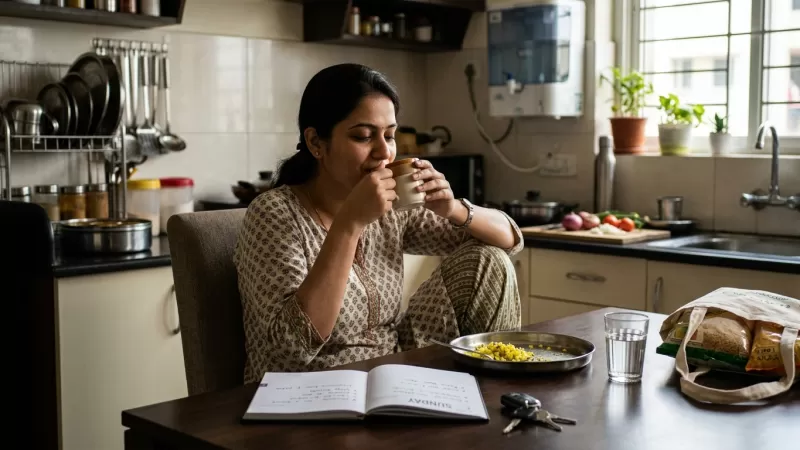
A daily flow works best when you include small moments of rest or simple joy. Maybe it’s sitting with a cup of filter coffee on the balcony, listening to an old song, or spending five minutes with your favourite book before bed. These moments may seem small, but they can refresh your mind and give you the energy to handle whatever comes next.
Don’t wait for a perfect gap—just fit these little breaks wherever you can, even if it’s just a few minutes. Over time, you’ll probably notice your day feels a bit lighter.
Accepting Imperfect Days Without Guilt
Here’s the catch: No matter how well you plan, some days will simply refuse to flow smoothly. Maybe there’s a family emergency, or you wake up feeling low, or the weather is just too hot to do much. It happens to everyone, even the most organised people you know.
The idea isn’t to chase perfection. It’s to keep moving forward, gently adjusting as needed. If you get most things done, that’s good enough. If you miss a few, there’s always tomorrow.
Over time, this flexible approach can help you feel less anxious, more in control, and a lot kinder to yourself—especially during those very human, very imperfect days.
Putting Your Daily Flow Into Practice
Ready to give this approach a try? Start by noticing your own natural anchors—when you wake up, eat, relax, or do daily chores. Then, try grouping your main activities between these anchors, leaving space for rest and surprises.
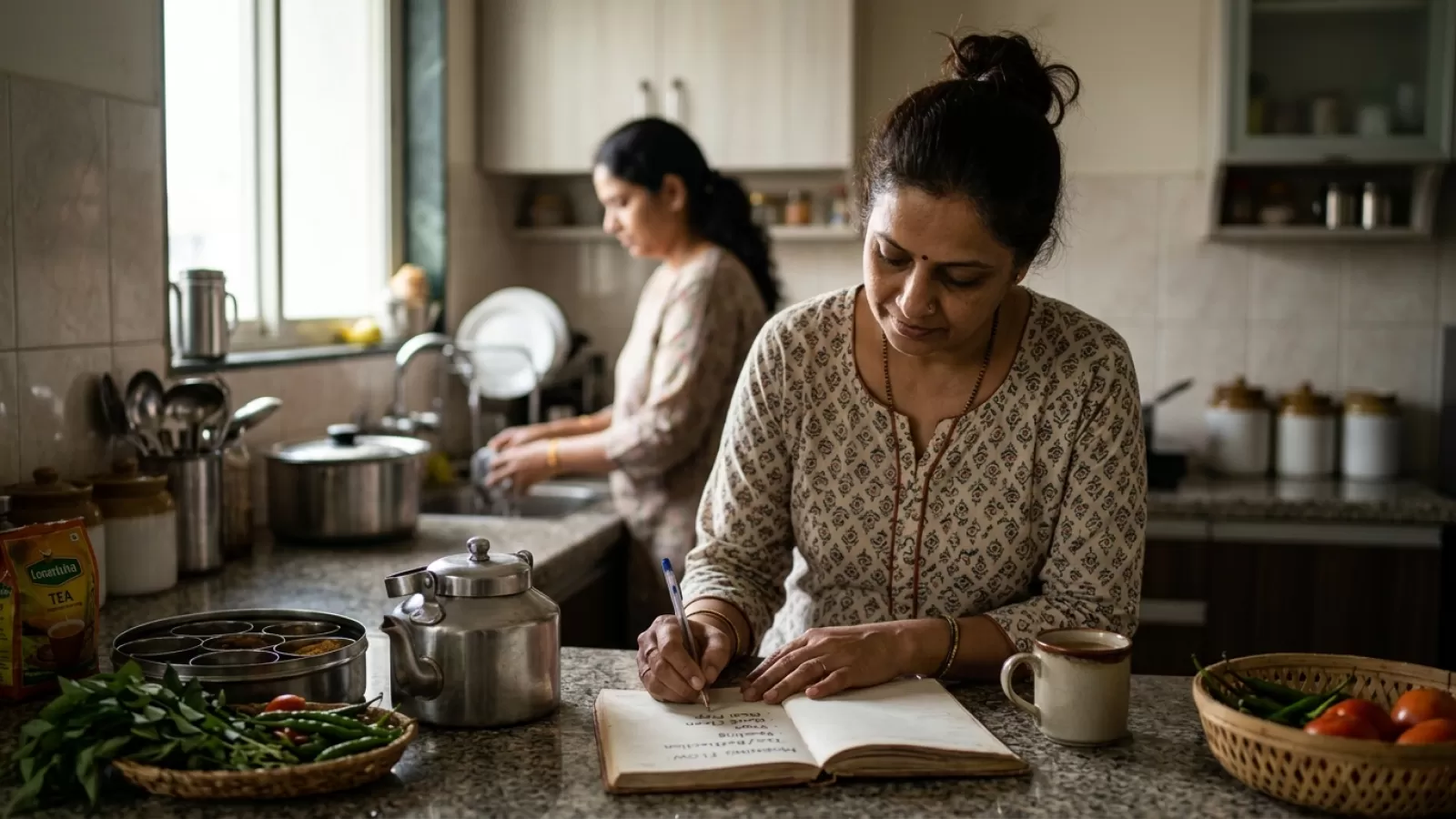
- Write down your key anchors (like breakfast, lunch, evening tea, bedtime).
- List the main things you’d like to do between these anchors.
- Allow for buffers and don’t worry about exact times.
- Check in with yourself once or twice a day, and adjust as you go.
It may take a week or two to get used to this looser style. Some days will feel messy, and that’s perfectly normal. But over time, you may find that you’re getting more done—with less stress—simply by letting your day flow, instead of forcing it to fit into tiny boxes.