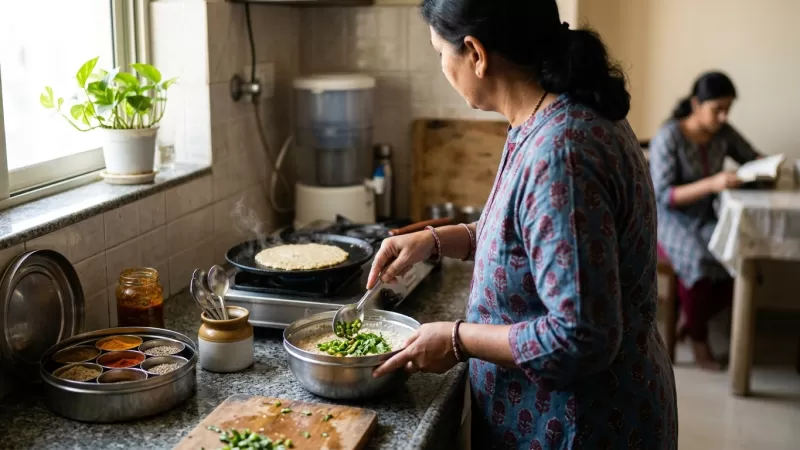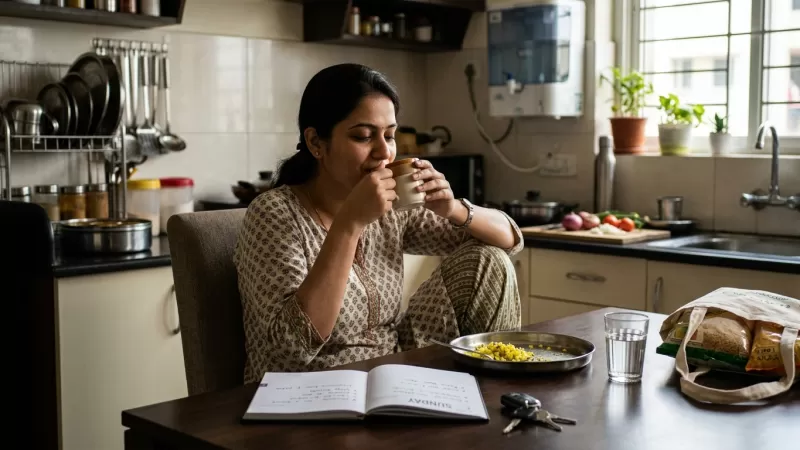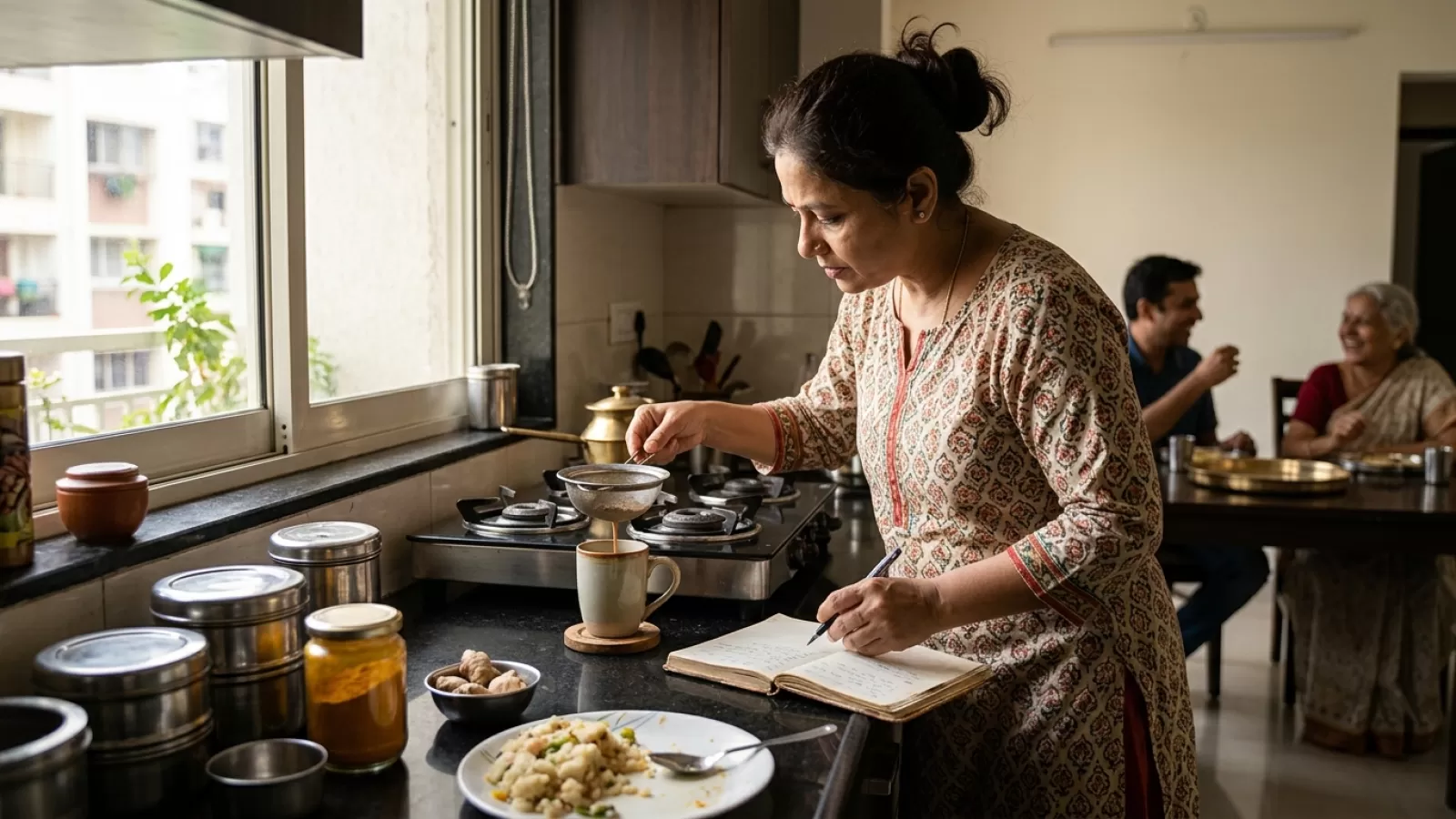
There’s a certain comfort in your daily routine—morning chai at your own pace, a familiar breakfast, maybe even a quiet moment with the newspaper or your mobile. But as you know, Indian homes often become lively hubs when guests arrive. Whether it’s relatives dropping in for a wedding, friends coming over for the holidays, or even children’s cousins staying during school breaks, your usual rhythm can get completely turned upside down. You want to be a good host, but it’s also natural to crave a bit of normalcy. Let’s talk about how you can gently hold on to your personal routine, even when the home is bustling with visitors.
Why Routines Matter—Even When Life Gets Busy
Routines aren’t just about schedules or to-do lists. They’re small anchors in our day—a walk after dinner, a quiet cup of tea before the family wakes up, a few minutes spent watering balcony plants. These are often the things that help you feel centered, especially when life is unpredictable.
When guests visit, these anchors can slip away. Suddenly, the kitchen is busier than usual, meal times change, and your small comforts might feel pushed aside. For many people, losing this rhythm can bring a quiet sense of irritation or even tiredness, though we rarely talk about it openly.
It’s not selfish to wish for your own routine. In fact, it often helps you remain patient and present with your guests. Everyone benefits when the host isn’t running on empty.
Accepting That Some Disruption Is Inevitable
Here’s the catch: When guests are around, some amount of chaos just happens. The house might be noisier, meals might run late, and your favorite chair could be taken over by someone’s luggage. This is all part of the experience, especially in joint families or during festival season.
Trying to keep everything exactly as it was before can be a recipe for stress. Instead, it often helps to accept that things will be a bit different for some time. That said, accepting change doesn’t mean you have to give up on your own needs entirely.
Many families quietly find small ways to make space for themselves, even when the house is full. It’s not about ignoring your guests, but rather about gently weaving your needs into the day.
Protecting Your Non-Negotiables
Every person has a few things that really help them feel okay. For some, it’s a morning walk; for others, it might be fifteen minutes of silence with their tea. The tricky part is figuring out what is truly non-negotiable for you, and what can be put aside for a few days.
- Pick one or two routines you truly need—like your daily prayer, a brief walk, or simply time to read the news.
- Communicate gently with your family about these needs, if possible. You don’t have to make a big announcement—just quietly let your spouse or children know you’ll be taking ten minutes for yourself.
- If your non-negotiable is something like a dietary need or health requirement, try to integrate it with the group activity—maybe invite a guest to join you for a stroll or prepare a simple salad alongside the regular meal.
Protecting these small routines isn’t about being rigid. It’s about giving yourself enough breathing room to enjoy time with your guests.
Finding Small Moments of Solitude
When the house is full, true privacy can feel impossible. But solitude doesn’t always mean locking yourself in a room. Sometimes it’s about little pockets of quiet—a few minutes in the balcony, a quick breath on the terrace, or even five minutes alone in the kitchen while you put away the dishes.
In many Indian homes, women especially find it hard to step away when guests are around. There’s a sense of duty to always be present, serving chai or chatting. But it’s perfectly reasonable to excuse yourself for a short time, even if it’s just to “check on something upstairs” or “make a quick phone call.”
Try not to feel guilty about it. People usually understand, and you’ll come back feeling a bit more refreshed.
Flexible Meal Planning—Without Losing Your Sanity
Meal times are one of the biggest areas where routines get disrupted. Suddenly, breakfast might be at 10 am, and dinner stretches past 10 pm. You might be cooking extra dishes—parathas, poha, sweets—on top of your usual dal and sabzi.
Here are a few thoughts for keeping things manageable:
- If you have regular meal times due to health or habit, quietly eat a small portion at your usual time, and then join the group for the main meal later—even if you eat lightly again.
- Don’t hesitate to simplify—serve a big one-pot meal like khichdi or pulao once in a while. Most guests understand, and you’re not running a restaurant.
- Ask for help. Often, guests are happy to chop veggies, set the table, or even prepare one dish from their hometown. It actually makes everyone feel more involved.
The main thing is not to worry about impressing everyone with elaborate spreads every single day.
Balancing Social Presence and Personal Space
It’s easy to feel stretched thin—trying to be a gracious host while also wanting a quiet moment for yourself. In many homes, there’s an unspoken expectation that you’ll always be cheerful and available. That’s just not realistic for anyone.
Some gentle strategies can help:
- Be present during main gatherings, like meals or evening tea, but allow yourself to step away during less active times.
- If you’re feeling overwhelmed, it’s okay to quietly excuse yourself for a short nap or some fresh air. You can say you’re feeling a bit tired, which is both honest and relatable.
- Share the social load with others in the house, if possible. Older children or your spouse can also entertain guests or handle small requests.
Remember, you don’t have to be “on” all the time.
Letting Go of Perfection
Many of us grew up seeing our mothers and grandmothers running a tight ship—everything spotless, meals on time, endless snacks for guests. But times have changed. These days, with work-from-home, school schedules, and smaller families, it’s just not possible to do it all without wearing yourself out.
It’s perfectly fine if the house isn’t spotless, or if you serve store-bought snacks instead of homemade samosas. Most guests are not coming to inspect your home—they’re there for your company. Letting go of perfection can actually make everyone feel more relaxed.
Here’s something you’ve probably noticed: when the host is calm and content, the whole house feels lighter. That matters more than matching cushion covers or perfectly timed meals.
After the Guests Leave—Reclaiming Your Rhythm
Once the last guest says goodbye, it’s normal to feel both relief and a bit of emptiness. The house suddenly feels quiet—and maybe a little messy, too.
Don’t rush to restore everything in a single day. Give yourself a bit of time to settle back into your usual routine. Often, it helps to start with one small habit—your morning walk, evening prayer, or even just your favorite breakfast.
Let the home breathe and return to its own pace. If you find yourself missing the lively energy, that’s normal too. Family visits are part of our culture, but so is the gentle return to your own rhythm.
In the end, it’s about balance. Your personal routine matters, and so does the warmth of having guests. With a bit of patience (and a few shortcuts), you really can enjoy both, most of the time.