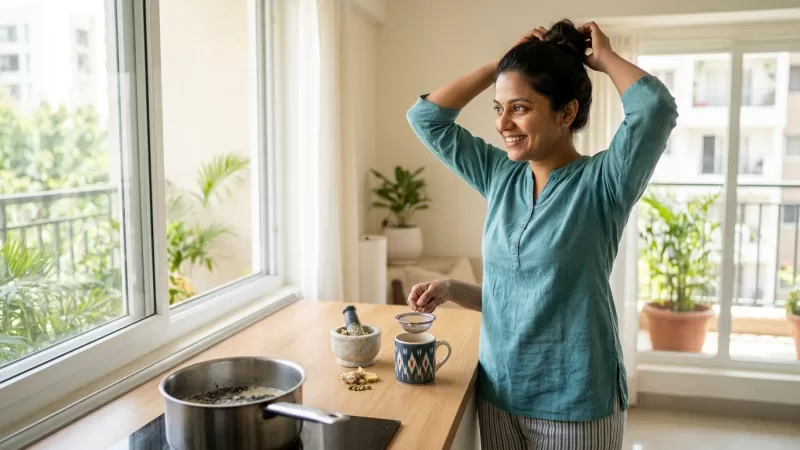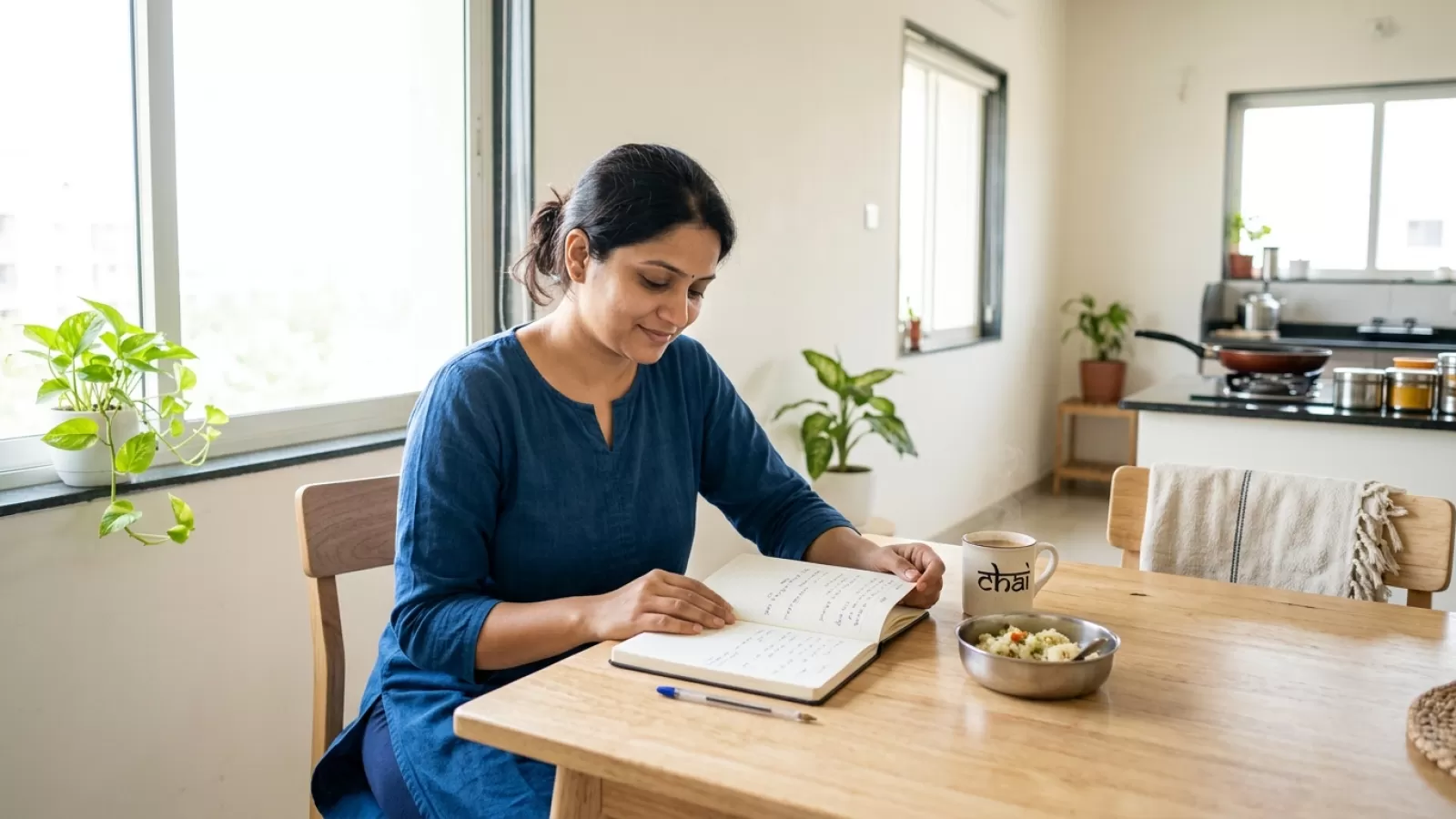
Some mornings, the first cup of chai goes cold before you even get to it. In many Indian homes, a carefully planned checklist for the day is often derailed long before breakfast is over. Traffic jams, power cuts, a child's fever, or a sudden work call—these are not rare events but the usual rhythm. Flexible daily routine ideas India seem less like a luxury and more like quiet survival tactics, especially when the day pushes back against your best-laid plans.
That said, structure is still there—just not the kind that runs by the clock. In many families, the outcomes matter more than the exact time things happen. The dal still gets cooked, the deadlines are met, but maybe not at the hour you expected. This type of daily structure India without rigidity is what helps most Indian adults keep moving, even when the day refuses to cooperate.
Why So Many Indian Adults Struggle With Rigid Schedules
If you've ever tried to follow a rigid routine for unpredictable Indian life, you know how quickly it can unravel. Mornings are especially chaotic. For a working professional commuting in Bengaluru, a traffic snarl can mean breakfast is skipped, and all plans for a 9am start go out the window. Parents find that just when they've adjusted to one school timing, a new circular changes everything. Seniors might be ready for their morning walk, only to find the lift not working.
This is not a failure of discipline. It's a reflection of Indian life, where family schedules, household needs, and external factors (like weather or electricity supply) can change without warning. Flexible daily routine ideas India are less about giving up and more about adapting so that important things still happen—just not always on a fixed timeline.
In many homes, the real structure comes from a shared understanding of what's non-negotiable—like making sure everyone eats, medications are taken, and work or school commitments are met. The rest flexes and bends as needed. That's the quiet skill at the heart of most Indian adult flexible schedules.
Disruptions, Priorities, and Cultural Patterns That Shape Indian Routines
The tricky part is, disruptions are almost built in. Indian families tend to live in close quarters, often in joint setups. One person's late-night call can keep the whole house up. Unpredictable monsoons delay school buses. A sudden guest means lunch plans shift from leftover khichdi to making fresh rotis and sabzi. Even power cuts can shuffle the order of daily chores.
Work-from-home routines, which have become common, add another layer. Many adults are toggling between Zoom calls and supervising a child's homework in the next room. Meals shift later, chores get squeezed in wherever possible, and sometimes, the only quiet time is after 11pm. Flexible daily routine ideas India are shaped just as much by these realities as by personal intent.
Nutritionists who work with Indian households often find that meal patterns are more likely to be defined by family needs and external events than by strict meal timings. That means a routine can be effective without being clock-bound, as long as the essentials (meals, movement, rest) are protected.
Clues Your Routine Is Too Rigid for Your Reality
- Frequent feelings of failure or frustration: If you regularly feel defeated before noon because your schedule was broken, the routine might be too rigid.
- Skipping important meals or self-care: In many homes, missing breakfast or always putting off that evening walk may signal the schedule isn’t working.
- Rescheduling becomes stressful: When a single change (like a child’s project or a late-night work call) makes the whole day feel lost, it’s a sign of a fragile structure.
- Family tension over timings: Arguments about meal times or chores often come up when routines are inflexible but life is not.
- Constantly comparing with others: Feeling like you’re behind because you can’t match someone else’s “perfect” routine is a sign your system doesn’t fit your life.
Flexible Actions That Make a Real Difference in Indian Homes
- Anchor around outcomes, not timings: Instead of “walk at 7am”, try “fit in a 20-minute walk before dinner, whenever possible.” This shift in thinking is what keeps routines alive through chaos.
- Batch similar tasks: Many Indian adults find that grouping tasks (like chopping all vegetables for the day in one go) makes routines more flexible, especially when power or water supply is uncertain.
- Use visible cues: Placing dahi to set after dinner, or leaving your walking shoes by the door, serves as a gentle nudge to do the next thing when the moment is right—not just when the clock says so.
- Plan for buffer time: In the Indian context, adding extra time around school runs or work meetings isn’t laziness; it’s practical. This makes space for the inevitable disruptions.
- Family check-ins: A brief morning or evening chat about what everyone’s day looks like helps adjust plans collectively, especially in joint families or shared apartments. This keeps everyone on the same page, even if the page changes during the day.
How Flexible Routines Actually Play Out Across Indian Households
In many families in Indian cities, mornings start with the intent of a set routine—chai, breakfast, packing tiffins, and a quick prayer. But the sequence often changes. A working professional in Pune might find herself answering emails before making poha, because an urgent message came in. A parent in Delhi might do the school drop, then buy sabzi on the way back, shifting housework to later. Seniors often use the quieter mid-morning hours for their walk, when the lift is less crowded.
During summer, late dinners become normal. The heat means baths happen after sunset and routines slide by an hour or two. Yet, the essentials—like family meals, sleep, and downtime—still find their place. That’s the real daily structure India without rigidity: not about perfection, but about making sure the important things are not dropped.
Flexible daily routine ideas India are not a backup plan—they are the way most Indian adults keep their health, family, and work in balance, even when the world outside refuses to cooperate.
When It's Time to Seek Extra Support
Most of the time, a flexible routine is enough. But if you find yourself unable to meet basic needs—like regular meals, enough sleep, or essential work—or if stress and irritability become constant, it might help to talk to someone. Sometimes, a family discussion or a gentle check-in with a trusted friend is all that's needed. If things feel overwhelming for days at a stretch, consider reaching out to a counselor or doctor for guidance. There's no harm in seeking a little support when the usual adjustments aren't working.
Common Questions
Many Indian families wonder if building daily structure is even possible when life is as unpredictable as ours. The good news is, a flexible routine is not about giving up on structure—it’s about building one that bends but doesn’t break. Let’s look at some of the questions that come up most often in our homes.
What is the most effective way for Indian adults to build daily structure that survives the disruptions that Indian life consistently produces?
In many households, daily structure India without rigidity works best when built around outcomes. For example, instead of “lunch at 1pm sharp,” focus on “everyone eats a fresh meal, even if the time shifts.” Anchoring routines around key outcomes—like meals, movement, and rest—means that when power cuts or traffic jams happen, the essentials don’t get skipped. Regular family check-ins also help everyone adjust together, so routines survive even when the details change.
How do you maintain the benefits of a routine without the fragility that comes from needing everything to happen at exactly the right time?
One approach is to set flexible anchors instead of strict timings. For example, if you know you’ll walk or do chores after breakfast, it doesn’t matter if that’s at 8am or 10am. In many Indian homes, visible cues—like leaving fruits on the table or filling water bottles in advance—help remind everyone of what needs to happen, even if the schedule changes. The key is to let routines support you, not control you.
Is a flexible routine genuinely as effective as a rigid one for achieving daily health and wellness goals?
In the Indian context, flexible daily routine ideas India are often more sustainable. Because our days rarely go exactly as planned, a routine for unpredictable Indian life is the only kind that survives long term. The important thing is that meals, movement, and rest still happen most days, even if not always at the same time. Over weeks and months, this consistency matters far more than perfect timing.
What are the most important elements of any Indian daily routine that must remain consistent even when everything else shifts?
Most families find that the non-negotiables are regular meals (even if simple, like dal and roti), basic movement (like a walk or housework), enough sleep, and some downtime to relax. These are what keep households running smoothly, no matter how many things change around them. Protecting these anchors helps everyone stay healthy and connected, even when the rest of the day is unpredictable.
How do you help an Indian household build shared flexible routines when each family member has a different relationship with structure?
This is quite common, especially in joint or multi-generational homes. One useful approach is to have a shared conversation about what really matters to everyone—like eating dinner together or making time for prayer or rest. Then, routines can flex around these shared anchors. Allowing each person some freedom around the details helps reduce friction. Over time, many families discover their own rhythm that works for everyone, even if it isn’t perfect.