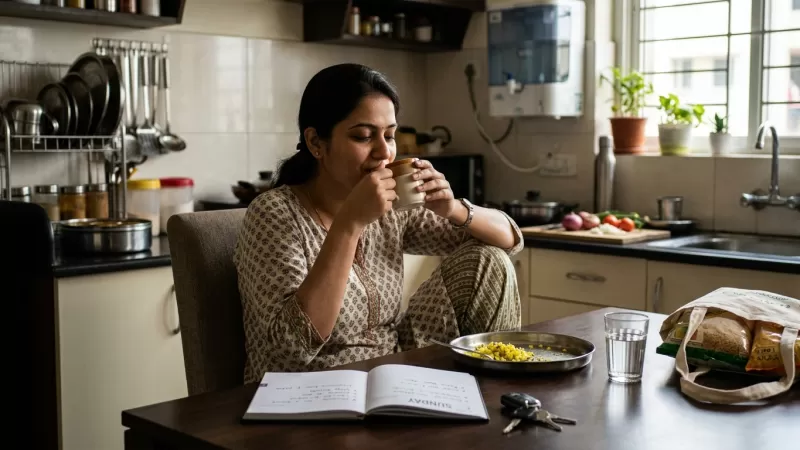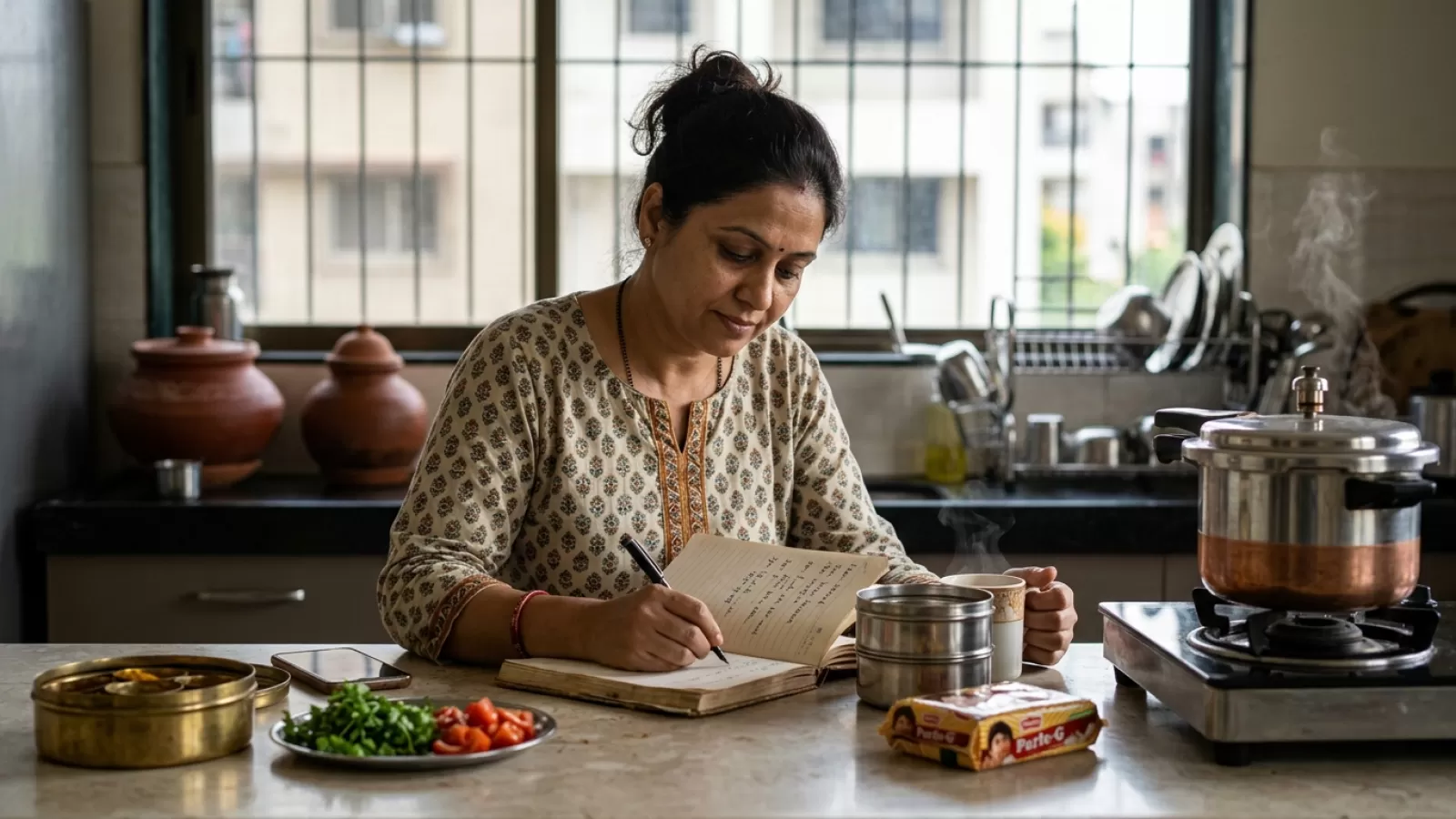
Most people these days feel like they’re always running—sometimes literally, sometimes just in the mind. You wake up, and before you know it, you’re making tea, packing tiffins, checking school bags, answering a work call, and remembering you forgot to soak the dal. Even in the evenings, you might feel you’re rushing from one thing to the next, barely catching your breath. It’s common in many Indian households, especially when you’re juggling work, family, and keeping the house running smoothly. But moving frantically often leaves you feeling drained and, strangely, unsatisfied at the end of the day. Here’s a thought: what if the answer isn’t just about doing things faster, but about pacing your day in a way that feels calm, human, and sustainable? Let’s gently look at some practical ways to structure your day at a more comfortable pace, using routines and ideas that fit our Indian lifestyles.
Noticing When You’re Rushing—and Why It Happens
Sometimes you don’t even realise you’re rushing. The day just feels like a blur of activity. Often, the pressure builds up because of habits—like trying to finish everything by a certain time, or feeling guilty if you sit down for a moment. In many homes, especially where there are school-going children or elders needing support, the sense of urgency comes from caring about everyone’s needs.
You may have noticed that during festival seasons or when guests are expected, this sense of rushing multiplies. Even on regular days, work calls and WhatsApp pings can add to the sense of constant busyness. The tricky part is, this cycle quickly becomes normal, making it hard to imagine any other way.
The first gentle step is to simply notice the moments you’re hurrying. Is it while making breakfast? During the morning rush to get everyone out the door? Or maybe after office hours, when you’re juggling dinner and checking homework? Just pausing to notice it is a small, quiet victory.
Making Space for Breathing Room in Your Routine
When you try to pack too much into every hour, it’s easy to end up feeling like you’re always behind. While some routines are fixed—like children’s school timings or office log-in hours—others can be a bit more flexible with some thought.
For example, many families find it helpful to keep breakfast simple on weekdays: poha, upma, or toast with chai, instead of elaborate parathas. This isn’t about cutting corners, but about making space for a slower start, even if it’s just an extra five minutes to sit and eat.
Here are a few gentle ideas to carve out breathing room in your day:
- Batch similar activities together (like phone calls or chopping vegetables for lunch and dinner at the same time)
- Set a soft time buffer between activities—aim to finish one thing before the next starts, even if it’s just a few minutes
- Let some tasks be "good enough" rather than perfect—no one notices if the rotis aren’t perfectly round every time
These may sound small, but over days and weeks, they can help you feel less squeezed for time.
Understanding Natural Energy Peaks and Dips
Not everyone feels energetic all day. In fact, in most Indian households, people notice a natural slump after lunch—especially during the hot summer months. You might feel most active in the early morning, or get a burst of energy in the late evening after things quiet down.
Rather than fighting these energy waves, you can try to work with them. For example, if you feel alert right after your morning chai, that might be a good time for tasks that require focus—like paying bills, reading the news, or planning your day.
Similarly, tasks that don’t need much attention, like folding clothes or sorting out the fridge, can be saved for those slower, sleepy times. Many seniors and homemakers quietly adjust their chores this way without even realising it—it’s a kind of wisdom that comes from years of managing a home.
Building Gentle Transitions Between Activities
You've probably noticed that jumping quickly from one task to another can make you feel scattered. For example, going straight from a work meeting to chopping onions, or from helping with homework to answering a phone call, can leave your mind tired and your mood frayed.
Allowing a gentle transition—a few minutes to reset—can help you shift gears more calmly. This could be as simple as washing your face, stepping onto the balcony for a minute, or even just putting on a different song before starting the next task.
Some families find it helps to mark the change of activity with a small ritual: lighting a diya as evening begins, or enjoying a cup of tea together before dinner prep. These little pauses act like speed-breakers for the mind, helping you move through the day at a steadier, calmer pace.
Prioritising: What Truly Needs Your Attention?
Here’s the catch: you can’t do everything, every day, and do it all well. In Indian homes, especially where you’re balancing work, family, and possibly caring for elders, it’s easy to feel like every task is urgent.
But most days, some things can wait. Maybe the laundry can be done tomorrow, or you can skip making a side sabzi and keep the meal simple with dal and rice. Being clear about what truly needs your attention—versus what’s just habit or expectation—can take a load off your mind.
Some people keep a small notepad or phone list with 2–3 things that absolutely must get done each day. The rest are "nice to have". This gentle prioritising can help you feel more in control, rather than like you’re always falling behind.
- Ask yourself: Will this matter tomorrow or next week?
- Are you doing a task because you want to—or just out of habit?
- Can someone else in the family help with this?
It’s okay for some things to be left undone. Really.
Creating Small Anchors of Calm in Your Day
Life in an Indian household can be noisy and unpredictable, especially with children, pets, and visitors coming and going. That said, most people find that having small moments of calm—however brief—can help the whole day feel less rushed.
These anchors don’t have to be grand. It could be sitting with your morning tea without looking at your phone, taking a few deep breaths before you start cooking, or reading a page of a book after lunch. Many seniors quietly enjoy watching the birds in the balcony, or watering the tulsi plant as their moment of peace.
Even on busy days, these small pauses can act like reset buttons, bringing you back to a steadier pace. The important thing is to notice and protect these moments, instead of letting them get squeezed out by other demands.
Dealing with Disruptions and Unplanned Events
No matter how well you plan, there will be days when things go off track—a sudden guest, a power cut, a child falling ill, or an urgent work call during dinnertime. These situations can shake up your well-planned routine and leave you feeling flustered.
It’s perfectly normal to feel upset or tired when this happens. Most Indian families have learned, over time, to be flexible—sometimes by necessity! Reminding yourself that not every day needs to be perfectly efficient can bring some relief.
When things go haywire, try to pause for a moment and ask: What still needs to be done, and what can wait? Sometimes, simply switching to an easier meal (like curd rice or khichdi) or asking for help from family members can make a big difference. And on days when nothing works, it’s okay to go to bed with some chores unfinished. Tomorrow will come with a fresh start.
Letting Go of the Need to ‘Do It All’
In many Indian homes, there’s a quiet pressure to do everything—whether it’s keeping the house spotless, cooking elaborate meals, or managing endless WhatsApp groups. Social media can also make it seem like everyone else is managing perfectly.
Here’s a gentle truth: No one does it all, no matter how it looks from the outside. Most people are simply doing their best, with the time and energy they have. Allowing yourself to let go of the need for perfection—at least some of the time—can make your days feel lighter and more peaceful.
If you find yourself feeling rushed and exhausted, remember that it’s not a personal failing. It’s just a sign that your pace needs adjusting. Trying out even one or two of these ideas can help you move through the day with less hurry, a bit more calm, and maybe even a little more joy. Small shifts, over time, really do add up.