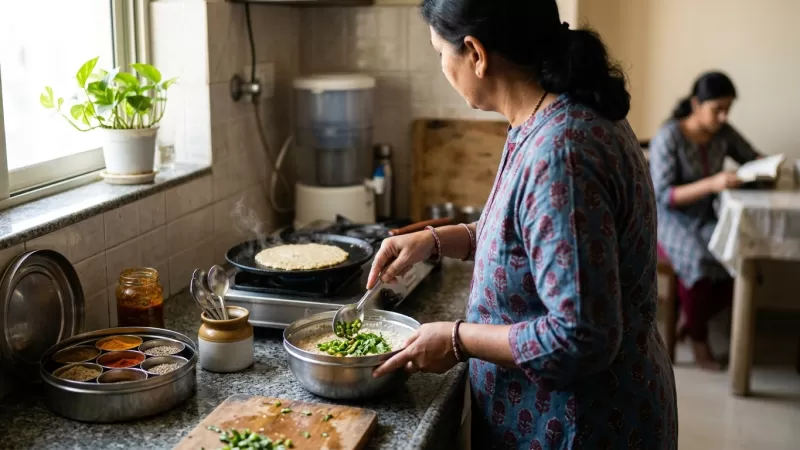
Some days, it feels as if every little thing is on fire—WhatsApp beeping, pressure cooker whistling, office emails, school logins, and the doorbell ringing, all at once. In many Indian homes, there’s an odd pressure to treat every errand, message, or household task as if it’s an emergency, even when it really isn’t. Over time, this constant sense of urgency can make your mind and body feel worn out, almost like you’re running a marathon that never ends. But here’s the tricky part: you can’t just ignore your responsibilities, especially in a family where everyone depends on each other. So, how can you slow down a little, without letting things fall apart? Let’s talk about some practical ways to find a calmer pace—one that actually works for real, busy Indian lives.
Why Does Everything Feel So Urgent These Days?
It’s not just you. Most families say they’re busier now than a decade ago. With smartphones, online payments, and work-from-home, there’s always something pinging for your attention. Even routine things—paying the milkman, helping with homework, or planning for a festival—can start to feel like make-or-break moments. You might have noticed how even small chores, like buying tomatoes or finding a missing sock, become mini-crises when everyone’s already stretched thin.
There are a few reasons this happens:
- Instant communication: We’re expected to reply to messages and calls immediately, whether it’s family, friends, or colleagues.
- More tasks, less time: Daily routines now include extra steps—online forms, digital payments, video calls, and updates for everything from electricity bills to school projects.
- Comparison: Watching others on social media can sometimes make you feel like you’re always falling behind, even if you’re doing your best.
It’s no wonder many people feel like there’s never a pause button. But there are ways to gently bring down the pressure.
Notice Your Triggers: What Actually Needs Urgent Action?
Here’s something you might find helpful: not everything that feels urgent actually is. But when you’re running on autopilot, it’s easy to treat every ping as a crisis. Next time you feel your heart racing over an unfinished chore, take a moment to ask yourself—does this really need my attention right now, or can it wait?
Some common triggers in Indian homes are:
- Unexpected guests (“How will I serve tea and snacks in 10 minutes?”)
- Last-minute school or office requests
- Minor disagreements among family members
- Small household problems (like a light bulb fusing or the fridge making noise)
After a while, you’ll start to spot which situations truly need immediate action (like a medical issue or a leaking tap) and which can be calmly scheduled for later. This simple pause can save a lot of unnecessary stress.
The Gentle Power of Prioritizing (Without Guilt)
Many people quietly struggle with saying “no” or pushing things to tomorrow, especially in joint families or when managing work and home together. There’s a belief that a good homemaker or professional should do everything, right now. But here’s a gentle opinion: it’s okay to rank your tasks. In fact, it’s necessary.
You can try this simple habit:
- At the start of your day, jot down your top three “must do” tasks.
- Next, list the “can wait” items. These are things that are important, but not urgent.
- If something gets bumped to tomorrow, let it be. Most of the time, things don’t fall apart because the fridge was cleaned one day later or because you called the plumber in the evening instead of the afternoon.
Don’t be surprised if you feel a bit uneasy at first—it’s normal. With practice, it gets easier to let go of that constant guilt and trust your own sense of timing.
Build Small, Flexible Routines
Routines are a quiet backbone in many Indian homes, whether it’s chai time, evening walks, or weekend grocery runs. But strict routines can actually add to the pressure if you treat every step as non-negotiable. The trick is to keep routines gentle and flexible.
For example, instead of deciding, “I must finish all cooking by 8 am,” try, “I’ll finish what I can before 8, and finish the rest a bit later if needed.” You might notice your mind feels lighter with this small shift.
Some families use these approaches:
- Batching chores (cutting vegetables for the week on Sundays, or prepping roti dough the previous night)
- Assigning roles (one person does morning tea, another handles laundry)
- Allowing for occasional changes (ordering food if you’re tired, skipping the evening walk during heavy monsoon rain)
Life in India is full of unpredictability—power cuts, sudden rain, festival rush. Flexible routines help you stay steady, even when the day doesn’t go as planned.
Take Breath Breaks, Not Just Tea Breaks
It’s common to hear, “Let’s have chai and relax,” but sometimes, real relaxation needs more than a hot cup. When you notice your jaw is tight or your shoulders are tense, try pausing for 30 seconds—just a few deep breaths in a quiet spot. It might sound too simple, but you’ll often find your next steps become clearer, and the urge to rush eases a little.
Some people keep a small reminder for these breath breaks—a sticker on the fridge, or a gentle alarm on the phone. The point isn’t to meditate for hours, but to punctuate your day with short, calming moments.
And if you forget? That’s okay. Just try again when you remember. Kindness to yourself is part of the process.
Work With (Not Against) Your Natural Energy
Everyone’s energy goes up and down through the day. Many find mornings are smoother for planning, while afternoons dip, and evenings get busy again—especially if you’re juggling both office and home. It’s tempting to fight this by pushing through, but sometimes, accepting your natural rhythm is smarter than forcing yourself.
For example, if you know your mind is sharpest after your first cup of tea, try to do your most important tasks then. If you get tired after lunch, use that time for easier chores or gentle activities like folding clothes or sorting groceries.
It’s not about perfect time management. It’s about making life a little bit kinder for yourself.
Rely on Family Teamwork (Even for Small Things)
Many families quietly deal with the feeling that one person (often the homemaker or the oldest member) should manage everything. But asking for help—whether it’s a teenager taking out the trash or a spouse making a quick call—makes a difference, even for small things. It’s not laziness; it’s team spirit.
You can try:
- Assigning small daily tasks to each family member, based on their age and free time
- Sharing a “to-do” list on the fridge or a WhatsApp group for the family
- Praising effort, not just results—it keeps everyone willing to help
On festival days or during big family events, this becomes even more important. Many hands may not always make light work, but they do make the stress a little easier to carry.
Let Go of Perfection: Good Enough Is Usually Enough
Here’s the catch—sometimes, the pressure to do everything perfectly is what makes every task feel so urgent. But if you look around, you’ll see that most families manage just fine with “good enough.” The rotis aren’t always perfectly round, and the house isn’t always spotless, but everyone is fed and cared for.
Occasionally, it’s alright if the laundry waits till tomorrow or if you miss a friend’s call. What matters is that you’re present enough to enjoy the small joys—fresh mangoes in summer, a quiet evening with family, or even a moment to catch your breath on the balcony.
Slowing down doesn’t mean you’re falling behind. It often means you’re finally catching up—with yourself, and with the real rhythm of your home.