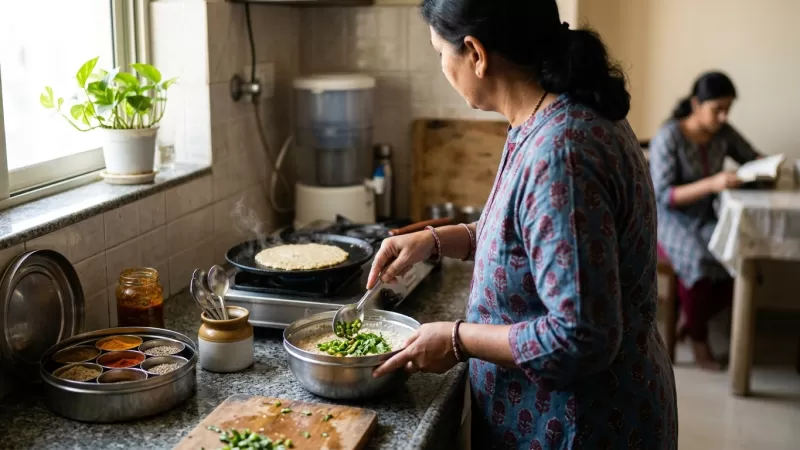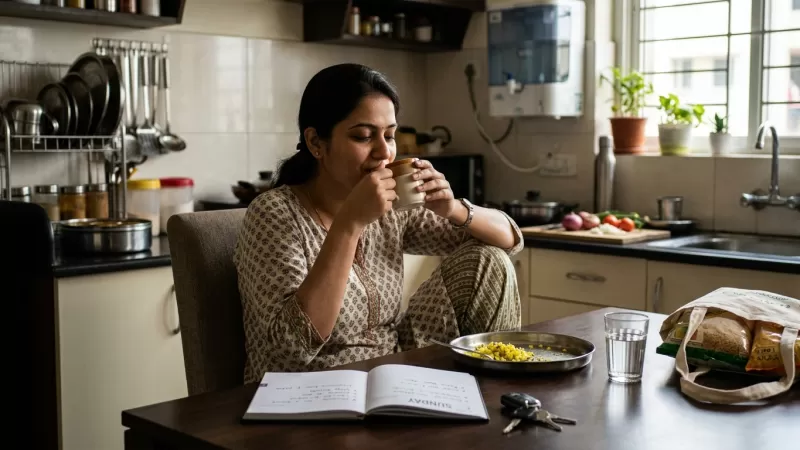
Some days seem to run on repeat. You get up, make tea, pack tiffins, tidy up, put on a wash, sort out the kitchen, and before you know it, it’s evening and you’re already planning dinner. Many Indian households move through these familiar routines, day after day, especially if you’re managing a home or juggling work-from-home tasks alongside family needs. While there’s comfort in routine, it’s also easy to feel worn out or a bit disconnected. So, how do you keep your energy steady and your mind engaged during these repetitive household days?
The Rhythm of Routine: Why Familiar Patterns Can Both Help and Hinder
There’s a reason so many families stick to set routines. Having a flow—morning chai, afternoon dal-chawal, evening walks—takes away the stress of constant decision-making. You don’t have to think about what comes next. That can be a relief, especially when life gets too noisy or unpredictable.
But after a while, the same patterns can start to feel dull. You may catch yourself doing chores almost on autopilot, sometimes not even remembering if you’ve switched off the gas or watered the plants. It’s not uncommon. In many homes, people quietly wonder if there’s a way to feel more present or less tired, even when the tasks don’t change.
Interestingly, some repetition is actually good for energy balance—it saves you from decision fatigue. The tricky part is, when things are “too automatic,” you might lose that sense of being awake to your own day.
Small Shifts in Routine: Gentle Ways to Break the Monotony
You don’t have to overhaul your schedule to bring in a bit of freshness. Sometimes, just shifting the order of chores or the way you do a task can make things feel less mechanical. For example, if you always start your day with kitchen work, maybe try a quick five-minute stretch or step onto the balcony first, even just to look at the sky.
Here are some gentle changes that often help:
- Switch up your playlist or try a podcast while folding clothes.
- Change the order in which you clean rooms—start with the bedroom instead of the kitchen, just for a day.
- Involve another family member in a daily task, like laying the table together or prepping vegetables.
- Try a different spice or ingredient in your usual dal or sabzi, if you have it.
These aren’t dramatic changes, but they can add a little spark to otherwise ordinary moments.
Eating for Steady Energy: Simple Food Habits in Indian Homes
Most people know what it feels like when you skip breakfast or have a heavy, oily lunch—your energy can dip or spike in ways that make the afternoon drag. Indian home-cooked meals actually give you a good base for balanced energy, but it’s easy to fall into patterns that leave you feeling sluggish.
Some thoughts on what usually works well for steady energy:
- Try not to skip meals, even if you’re busy—small, regular meals tend to keep you more alert.
- Dal, roti, simple sabzi, and curd actually make a good combination. The mix of protein, carbs, and a bit of fat is gentle on your stomach and keeps you going.
- If you get hungry between meals, a handful of roasted chana, peanuts, or even a fruit is usually enough, rather than reaching for biscuits or chips.
- During summer, buttermilk or nimbu pani can help you feel less drained, especially after cleaning or cooking.
That said, not every day will be perfectly balanced. Some days you’ll just have tea and toast and get by. That’s okay, too.
Pausing Without Guilt: Making Space for Yourself
Many people—especially homemakers and older adults—feel like they need to be “on” all day, moving from one task to another. But taking small, guilt-free pauses is actually one of the best ways to recharge, even if it’s just for a few minutes.
Here’s the catch: many of us grew up hearing that rest is laziness. But in reality, a five-minute pause—just sitting quietly, closing your eyes, or sipping tea without the phone—can make a big difference.
Some ways to weave in these small pauses:
- After sweeping or mopping, sit on the sofa for a few minutes without doing anything else.
- Look out of a window, watch the birds or the street below.
- Listen to an old song during your afternoon break.
- Put your feet up for a short while in the afternoon, even if there’s work left.
You might notice your mood and energy feel steadier when you allow yourself these brief breaks.
Movement and Light Activity: Not Exercise, Just Everyday Motion
When life is repetitive, it’s easy to sit more than move—especially if you’re retired or work from home. But regular, gentle movement (not formal exercise) helps keep your energy up and your mind less foggy.
Some ideas that fit easily into Indian routines:
- Walk around your home while talking to relatives on the phone.
- Do a bit of light stretching before bed or after waking up—shoulder rolls, neck stretches, or just reaching up to the ceiling.
- Climb stairs at home or in the building a couple of times a day, if you can.
- During TV time, get up during ad breaks to stretch your legs or refill water.
It’s not about burning calories. It’s about keeping your body from getting too stiff or heavy-feeling.
Engagement: Keeping the Mind Interested in Small Ways
Sometimes, the mind gets tired before the body does. If you notice yourself feeling dull or restless, it may help to have little things that engage your interest, even briefly.
You don’t have to take up a big hobby. Here are some easy, everyday ways:
- Try a small puzzle or a sudoku from the newspaper after lunch.
- Read a short article or a few pages of a book—something you enjoy, not something you “should” read.
- Water your plants and notice how they’ve grown since last week.
- Plan a simple new recipe for the weekend—even if it’s just a twist on your regular upma or poha.
Little moments of curiosity or learning can lift your spirits, especially on days that feel slow or too predictable.
Staying Connected: The Quiet Power of Small Interactions
On repetitive days, it’s easy to go hours without really speaking to anyone, especially if you live alone or everyone is busy. But small connections—brief chats with neighbours, a quick phone call to a friend, or even a message to family—can make a difference to your energy and mood.
Many families find comfort in sharing even the small things: “The tomatoes were good today,” or “I heard a funny story on the news.” It doesn’t have to be a deep conversation.
If you’re feeling low, reaching out can feel hard. But even a little interaction often helps break the monotony.
Accepting Slow Days: Letting Go of Perfection
Some days, no matter what you try, energy just isn’t there. Maybe you didn’t sleep well, or the weather is too hot, or it’s just one of those days when everything feels a bit heavy. It happens in every household, even if people don’t talk about it openly.
On such days, it’s okay to let things be a little less perfect—maybe the floor isn’t spotless or dinner is simpler than usual. Most families quietly deal with this in their own way. Sometimes, just accepting a slow day is the gentlest way to find your balance again.
And tomorrow is always a new start.