Many Indian professionals start the day in a blur—alarm ringing, racing through a shower, grabbing chai and toast in one hand, and checking work messages with the other. Before you even step out (or log in from your WFH corner), the tempo is already set at full speed. Daily pacing tips for Indian professionals are less about squeezing more out of the day and more about finding a rhythm that doesn’t leave you feeling rushed all day in India.
That said, the pressure to fit everything—work, meals, family calls, and even the evening walk—into a jam-packed schedule leads many to believe that the answer is better time management. But in many homes, the real shift comes from learning how to stop feeling behind in India, not from doing less, but from changing the pace at which you move through your routines.
Why Many Professionals in India Feel Like They’re Always Racing
In a lot of Indian families, the day starts early and ends late, but the hours in between rarely feel your own. The idea of “time pacing for Indian adults” often gets lost in the shuffle—there’s barely a moment to breathe between getting kids ready, dealing with helpers, quick breakfasts, and that mad dash to catch a cab or bus.
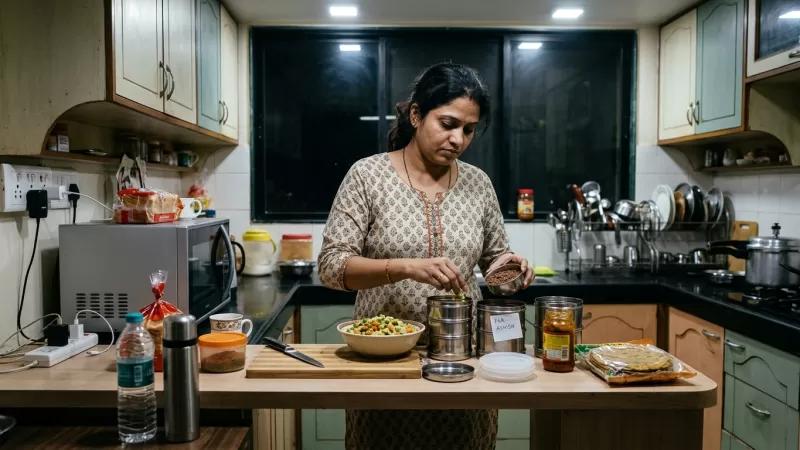
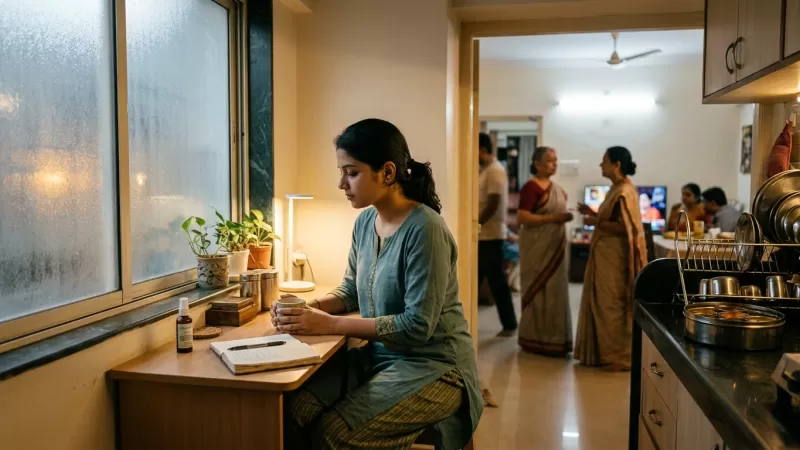
For professionals living in joint families, mornings might include fielding questions from elders, packing tiffins, and making sure everyone’s had their chai—even as your mind is already worrying about meetings. And for those working from home, the lines between home and office get so blurred that you’re often handling work calls while folding laundry or prepping dal for lunch.
What happens most days is that every small transition—moving from one task to another—feels rushed. There’s rarely a pause or a breath. The whole day turns into one long sprint, and by dinner, you’re left with the sensation that you ran all day but hardly remember what you did. This isn’t laziness or poor planning. It’s just the pace we’ve set—one that’s unsustainable and exhausting.
The Roots: Why Rushed Days Are So Common in Indian Homes
There’s a lot happening behind the scenes. In many Indian cities, commutes are unpredictable—rain, traffic, and metro breakdowns are part of the deal. Even for those working remotely, power cuts, noisy neighbours, and family expectations can disrupt the best-laid plans. That’s before you even count in WhatsApp groups, work emails, and school notifications buzzing throughout the day.
Family routines also add layers. In joint families, mealtimes and chai breaks have their own fixed timings, and missing them can feel disrespectful. In nuclear families, parents juggle school drop-offs, grocery runs, and their own work deadlines. The tricky part is, so much of this is invisible—everyone is “busy,” but not necessarily moving at a pace that matches their mind or body’s needs.
Work culture plays a role too. Bosses often expect instant replies, quick turnarounds, and late-night calls. Many workplaces still measure productivity by hours at the desk, not outcomes. Lunch breaks get shorter; coffee is gulped, not sipped. Life becomes a series of quick fixes—poha eaten standing up, dahi whisked in a rush, all while scrolling through emails.
Time management experts often find that Indian professionals rarely have control over the speed of their day; it’s set by family routines, work demands, and social expectations, not by personal preference.
Everyday Signals That Your Rhythm Isn’t Working
- You start the day feeling behind: Even after a full night’s sleep, there’s a sense of urgency from the moment your eyes open. The first hour is a blur, and breakfast feels like another task to “get through.”
- Each task feels like a race: Whether it’s replying to emails, cooking dal, or helping kids with homework, everything is done at top speed, with no pause in between.
- You’re physically restless, but mentally tired: There’s a lot of moving, but your mind feels foggy. By evening, you can’t recall what actually got finished.
- Meals are rushed or skipped: Lunch is eaten at your desk, or sometimes not at all. Dinner is late, and you’re too tired to enjoy it.
- There’s no space for even small breaks: Even five minutes of chai feels like a luxury. The day rolls from one obligation to the next.
Gentle Adjustments That Change the Day’s Pace
- Create a micro-pause between transitions: Instead of leaping from brushing to shower to breakfast, pause for a minute after each. Stand by the window, take a slow sip of water, or just notice the light coming in. These micro-moments add up and can anchor you, even during busy mornings.
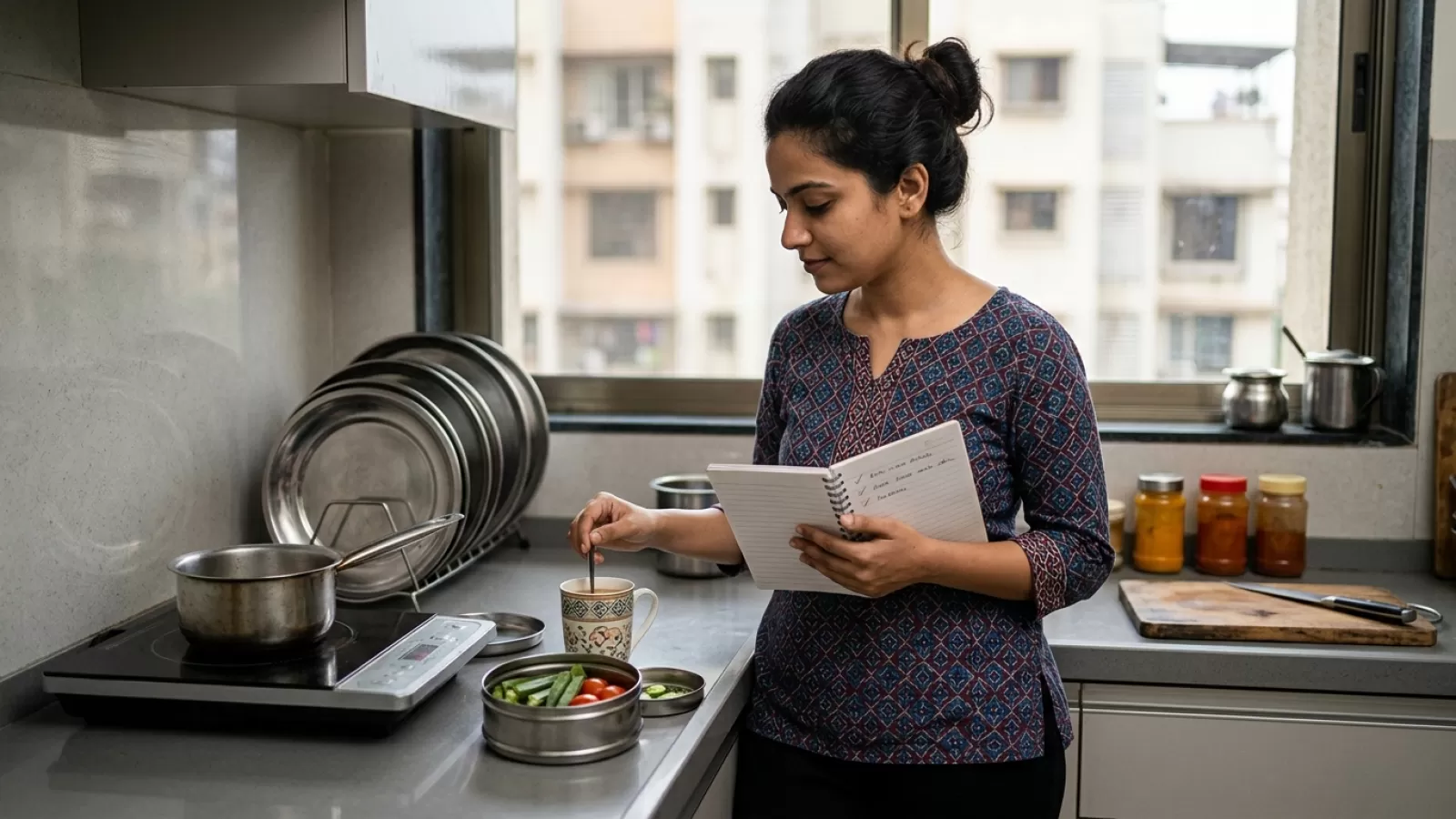
- Anchor the day with one unrushed activity: It could be sitting down for chai, listening to a bhajan, or quietly folding clothes after dinner. When one thing isn’t rushed, it changes your sense of time for the entire day.
- Batch similar tasks—but gently: Instead of running to check WhatsApp every few minutes, look at messages after breakfast and again after lunch. Many find that letting small distractions wait helps you move less frantically through the day.
- Let some transitions be slow on purpose: After finishing work, take five minutes to simply sit—no phone, no conversation, nothing. This is especially helpful before shifting to home responsibilities.
- Invite family into the rhythm: In many homes, mealtimes or evening walks can become shared slow-down moments. Even watching news together or making roti as a group can be a way to pace the evening.
The goal isn’t to overhaul your schedule. Small shifts in how you move between things can make the entire day feel less like a race and more like a flow.
What a Rushed Day Looks Like in Indian Homes
Picture a Bengaluru apartment at 7:30 am—pressure cooker whistles, school bags packed in haste, someone yelling for missing socks, and the impatient honk of a cab driver downstairs. The professional in this home is already scanning emails, half-listening to family chatter, and shoveling poha into their mouth. The day’s pace has been set before the first work call.
Or consider a WFH setup in a Kolkata flat. Power cuts mean you’re scrambling to plug in the inverter. Lunch is made between meetings—sabzi half-cooked, dahi set but barely chilled. Evenings are spent responding to work pings while the TV blares news in the background and kids demand help with homework.
In both cases, there’s no single “big task” that causes the rush. It’s a chain of tiny moments stacked together at maximum speed. Many families in Indian cities have quietly discovered that intentionally slowing just one moment—a chai break at 4pm, or a quiet walk after dinner—can be enough to change how the entire day feels, even when nothing else on the to-do list changes.
When It Might Help to Reach Out for Support
If the sensation of being rushed all day in India starts to affect your sleep, relationships, or ability to enjoy even small moments, it might be a good idea to talk to someone you trust. Sometimes, sharing with a family member or colleague is all you need. If the feeling deepens, and you notice changes in mood or health, a chat with a doctor or professional counselor can be the next gentle step. You’re not alone in this.
Common Questions
Many Indian professionals share the same struggles with time and pace—so you're definitely not alone. These questions often come up in homes, at chai breaks, and even during late-night phone calls. Let’s walk through some of the most common doubts and see how they show up in real Indian routines.
Why do so many Indian professionals feel chronically rushed even when they are not objectively behind?
In many households, the day’s tempo is set by outside expectations—bosses wanting quick responses, family routines that can’t be skipped, and social pressures to “be available” at all times. Even if you’re not technically behind on work, the constant push to do the next thing keeps your mind in a state of hurry. A professional working from her Delhi flat might clear her inbox by 5pm, but still feel anxious because there’s always something more—family calls, dinner prep, or pending chores.
What daily pacing habits help Indian adults move through a full working day without the sensation of constantly catching up?
One of the most effective daily pacing tips Indian professionals use is building gentle pauses between tasks—even if it’s just two minutes after lunch to sit quietly or a slow chai break. Many adults also set one “anchor” activity (like a calm breakfast or an unrushed evening walk) that isn’t sacrificed for work. These small, intentional slowdowns help you reset your internal clock, so the whole day doesn’t feel like a nonstop race.
How do you build intentional pauses into an Indian working day without falling behind on actual work?
It usually means letting go of the idea that every second must be filled with visible productivity. For example, a Mumbai office-goer might take five minutes after back-to-back calls to step outside or simply stare out the window. Even at home, putting your phone aside while eating or walking can create mental space. These pauses don’t make you fall behind; in fact, they help you return to work with more focus and less stress.
Is the feeling of being rushed in Indian professional life a time problem or an expectation problem?
For most people, it’s more about expectations than actual lack of time. In Indian families, there’s often a belief that “being busy” equals being useful or successful. Colleagues and family both expect instant replies or immediate action. This constant pressure shapes your pace, making you feel hurried even during slower periods. Recognising this can help you start setting healthier boundaries around your own time and energy.
What one daily habit change most reliably reduces the sense of being permanently rushed?
Many find that protecting one small chunk of the day—like having breakfast seated at the table, or a ten-minute walk after dinner—makes a noticeable difference. When at least one daily activity is done at a slower, more natural pace, it breaks the pattern of constant rushing. Over time, this habit can change how you feel about the rest of your day, even when your workload stays the same.