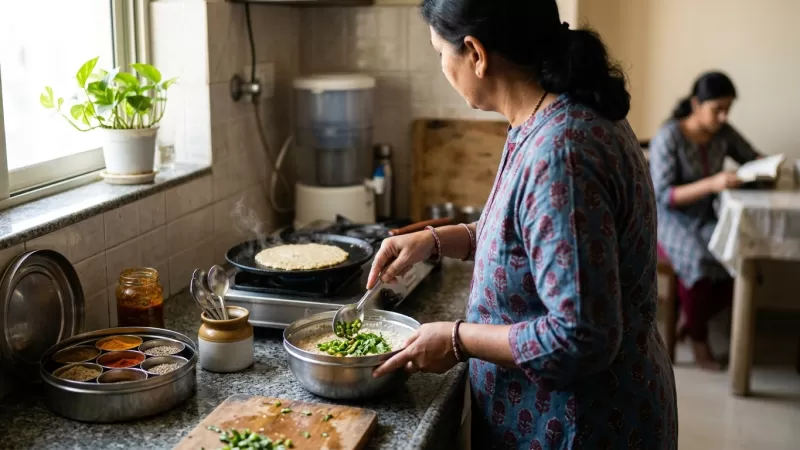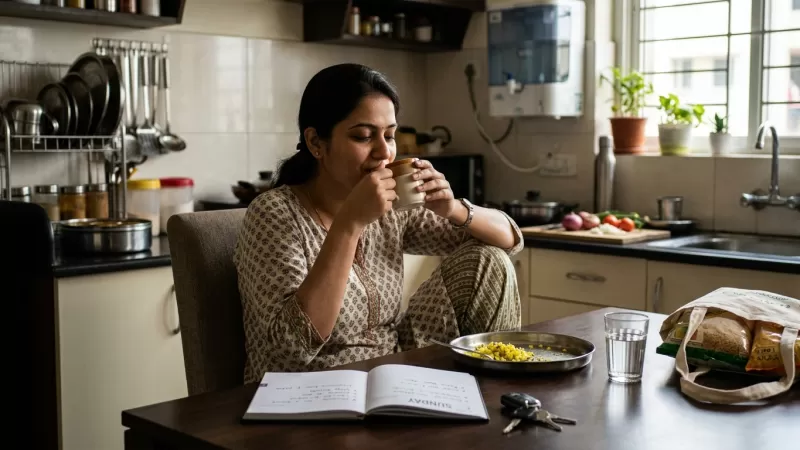
Some days, especially when you’re at home for long stretches, it can feel like you’re stuck in a loop—cooking the same meals, folding the same clothes, repeating the same work calls or chores. Many families quietly deal with this. Even the most loving homes can start to feel sleepy when every day blurs into the next. If you find yourself losing steam, feeling mentally tired before lunch, or wondering when you last felt surprised, you’re not alone. The good news? You usually don’t need a dramatic overhaul to feel a gentle shift. Tiny, thoughtful changes—what you might call “soft cues”—can help you bring back freshness, energy, and even a bit of joy into ordinary days.
Why Do Days Feel So Repetitive?
In most Indian homes, routines are the backbone. Early mornings, tiffin packing, office emails, school WhatsApp groups, evening snacks, TV serials, and late-night cups of tea—it all becomes predictable. While routines keep things running, they can sometimes drain the mind. When every Tuesday looks like the last, your brain stops noticing small joys or even changes around you. It’s not laziness or a lack of gratitude; it’s more about mental exhaustion from sameness.
Even festivals, once exciting, may start to feel mechanical if you’re not careful. There’s a reason why, after a long week of the same dal-roti, we crave something different—a dosa, maybe, or just a walk outside. The mind, like the body, needs a bit of variety to stay alert and cheerful.
The tricky part is, too much change at once can also feel overwhelming. For most people, especially seniors or busy professionals, turning life upside down isn’t practical or even possible. That’s where small, soft cues come in.
Understanding Soft Cues: Gentle Nudges for the Mind
A “soft cue” is simply a gentle, almost invisible change that signals to your mind: something is different today. It’s not about grand gestures. Often, it’s a tweak in your environment or routine that refreshes your senses just enough to notice the moment.
- Changing the order: Try doing your evening walk before dinner, instead of after.
- Swapping spaces: Drink your morning tea on the balcony rather than at the dining table.
- Introducing a scent: Light a mild agarbatti or use a fresh lemon in your cleaning water.
Soft cues don’t disrupt your day; they quietly mark it as unique. You might have noticed, in many homes, elders will move an old chair to a new spot or start their prayers at a slightly different time. These are subtle ways to keep the mind awake and present.
Refreshing Your Senses the Indian Way
One of the simplest, most satisfying ways to break the cycle is to wake up your senses. This doesn’t need fancy gadgets or ingredients. Indian homes are full of sensory cues—colours, sounds, smells, and tastes.
Some gentle sensory refreshers:
- Switch your soap or shampoo for a different fragrance—maybe neem one week, sandalwood the next.
- Change your usual breakfast once or twice a week. Instead of poha, try upma, or a fruit salad with a pinch of chaat masala.
- Play old film songs or classical music softly in the background while you cook or clean.
- Wear a cheerful kurta, even if you’re just at home.
These things sound small, but your brain notices. A new taste or smell can be surprisingly uplifting, especially on days when the world outside feels grey or noisy.
Rhythm, Not Routine: Changing Your Daily Flow
Here’s the catch—routines are helpful, but rigid time slots can make days feel robotic. Instead of sticking to strict timings for every task, try focusing on the rhythm of your day. This means allowing some flexibility, even if it’s just a 15-minute shift here or there.
For example, if you usually mop the floor at 8 a.m., switch it to after lunch once in a while. If you always call relatives on Sundays, pick a random Wednesday. When you change the flow, even slightly, it signals to your brain that today is different.
Of course, this isn’t always possible—especially on work-from-home days packed with meetings or for families with small children. But where you have a bit of wiggle room, use it. You may be surprised how much lighter the day feels when you aren’t following the same tracks every time.
Bringing Nature Indoors
Many people find a sense of relief just by looking at something green. During the hot summer months or the monsoon, when stepping outside isn’t easy, you can still bring nature closer.
- Place a small tulsi plant or money plant near your kitchen window.
- Keep a bowl of fresh flowers or even leaves from your garden on the dining table.
- Let sunlight into the main room for a few minutes every morning.
These tiny natural touches can provide a gentle reset for your mind. You’ve probably noticed how, after watering plants or watching birds from the window, you feel a little less tired—even if you haven’t actually rested.
It’s not just about beauty. It’s a quiet invitation to pause and notice, which is often all you need to break up monotony.
Rituals That Mark Time Without Pressure
Rituals are different from routines. They have a bit of intention behind them, and they usually bring a sense of comfort. In many Indian homes, lighting a diya at dusk or sharing a cup of chai at 4 p.m. is more than a habit—it’s a small ceremony that marks the passing of time.
If your days blend together, try adding or reviving a gentle ritual:
- A five-minute pause for gratitude or prayer after lunch.
- Reading a few pages of a favourite book before bed (even if it’s just 10 minutes).
- Phoning a friend or relative for a short chat once a week on a set day.
Rituals don’t have to be spiritual. Even watering your balcony plants before breakfast can become a grounding moment. What matters is the sense of meaning attached, not the length or “productivity.”
Saying Yes to Small Pleasures
Sometimes, in the rush to finish chores or meet deadlines, it’s easy to forget that small pleasures matter. A square of dark chocolate, sitting with your feet up for five minutes, or listening to the rain—these aren’t distractions, they’re gentle reminders that you’re allowed to enjoy your own company.
After a tiring week, something as simple as treating yourself to a cup of strong filter coffee or watching a favourite comedy can help reset your mood. It’s not about earning these moments, but about letting yourself have them, even on the busiest or dullest days.
Many homemakers, professionals, and elders quietly make space for these pleasures. It’s not selfish. It’s a way to refill your own cup so you can keep going for those who depend on you.
Adjusting Expectations: It’s Okay to Feel Flat Sometimes
Finally, it’s important to remember that not every day will feel exciting, no matter what you do. There will be weeks—especially in the peak of summer or during a long spell of rain—when everything feels a little heavier. That’s normal.
Some days, even trying to break the monotony feels like extra work. If you’re feeling this way, be gentle with yourself. Rest when you can, and don’t put pressure to feel cheerful all the time. Sometimes, just acknowledging that you’re tired is enough to ease the feeling.
Soft cues aren’t about pushing yourself harder. They’re quiet invitations to notice the present, to enjoy a small shift, and to remember that even in repetitive days, there’s room for a little freshness.
And that in itself is something worth holding on to.