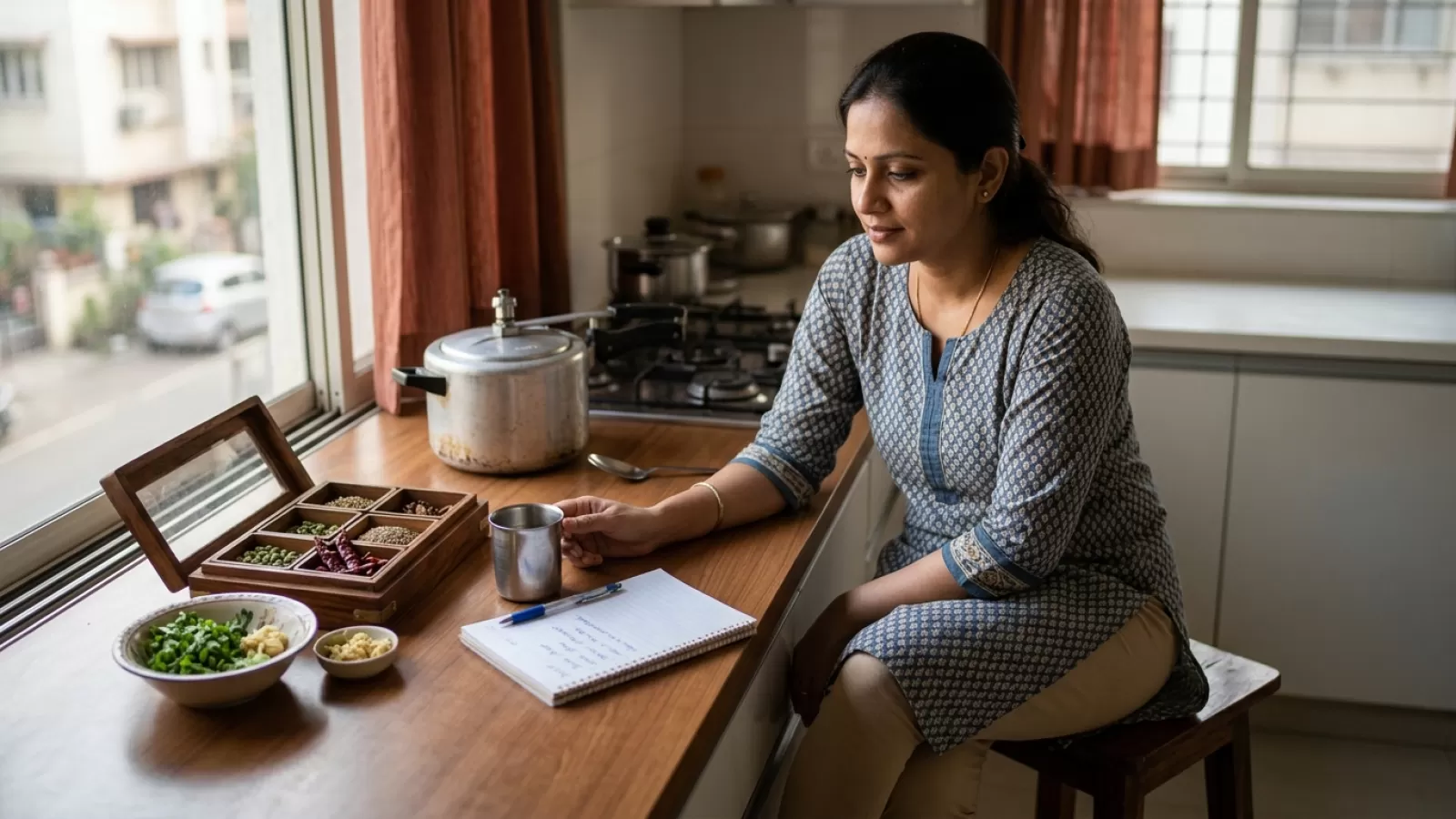
Sometimes, it feels like there’s just no breathing room left in your day. You might wake up with a mental checklist running—breakfast, tiffins, calls, meetings, bills to pay, parents’ doctor appointments, children’s homework, and the endless cycle of “what’s for dinner?” It’s not just the physical tiredness; it’s that heavy, crowded feeling in your mind. In many Indian homes, the day is often planned so tightly that even a small delay—a power cut, a traffic jam, an unexpected guest—can throw everything off. If you’ve found yourself yearning for a bit more space to think, reflect, or just relax, you’re not alone.
Why Traditional Planning Sometimes Feels Too Tight
Many of us were taught that detailed schedules and to-do lists are the best way to be productive. You might have grown up watching parents use diaries, wall calendars, or even just a running mental list to track everything. And now, with phones and apps, there’s even more pressure to plan every minute. Here’s the catch: these methods can end up making your day feel more crowded.
It’s common to fill every slot—packing lunch, prepping for meetings, organizing the cupboard, replying to family WhatsApp groups—without leaving any time to just sit quietly. When a day is over-planned, even small surprises can feel overwhelming. There’s little room to pause, reset, or simply be. Over weeks or months, this can make life feel a bit suffocating, even if you’re managing everything on paper.
So, while detailed planning can work for some, in many Indian households where unpredictability is normal, it often leads to stress rather than relief.
The Value of Mental Space—And Why It’s Often Ignored
Mental space isn’t just about having free time; it’s about having a little cushion in your day and mind. It’s that sense of not being rushed, of having a few moments to breathe, think, and notice the world around you—whether it’s the sunlight on your balcony or the sound of children playing outside.
In families, especially joint families or busy nuclear setups, the idea of “me time” or mental space can feel selfish or impractical. You might hear, “There’s no time to sit, so much to do!” But the truth is, always running on full steam leaves everyone drained. Children, elders, homemakers, and working professionals all need a bit of space to recharge, even if it’s just a few minutes between two tasks.
Unfortunately, this need is often pushed aside in the name of duty or efficiency. Over time, the mind feels crowded, and even small things—like a lost sock or a missed call—can seem bigger than they are.
Recognizing the Signs of Overcrowded Days
It’s not always obvious when your mind is too full. Sometimes, it shows up as forgetfulness—misplaced keys, missed birthdays, or forgetting why you entered a room. Other times, it’s irritability; you find yourself snapping over small things or feeling annoyed at the constant noise at home.
Some people notice it in their bodies: headaches, tired eyes, or a heavy feeling in the chest. Others feel it emotionally, with a sense of being trapped or restless even when there’s technically “nothing urgent” left to do.
If you’ve noticed these feelings more often, especially after festival seasons, busy school weeks, or long stretches of working from home, it might be a sign that your days are just too packed. And you’re not alone—many families quietly deal with this, especially in cities where life moves quickly.
Flexible Structure: A Kinder Way to Plan
Here’s something many people miss: structure doesn’t have to mean rigidity. You can have a sense of order without squeezing out all the breathing room. Flexible planning is about setting gentle boundaries for your day, while still allowing for the surprises and delays that Indian life loves to throw at us.
Instead of micro-managing every 15 minutes, try creating broad routines. For example, “Morning time is for breakfast and getting ready; late afternoon for calls or paperwork; evenings for winding down and family.” This way, a power cut or a late lunch doesn’t ruin your whole day.
- Use 2-3 main tasks for the day, not 10-12.
- Keep a short list of “nice to do if time allows” tasks—these are optional.
- Allow buffer time between major activities (even 10 minutes helps).
Flexible structure gives you a feeling of control but doesn’t punish you for life’s little surprises. It’s a softer approach, but often, it’s more realistic for our busy, unpredictable lives.
Simple Ways to Build Breathing Room Into Your Day
Small, intentional pauses can make a big difference. These don’t have to be elaborate or time-consuming. In fact, the simplest things often work best, especially when you’re short on time.
- During chai breaks, actually sit down, even if for five minutes, without multitasking.
- When possible, finish one task before starting another—no chopping vegetables while on work calls, at least now and then.
- If you commute, use that time to listen to music or just let your thoughts wander, instead of catching up on calls.
- Consider keeping one part of your evening (say, after dinner) free from screens and work.
These small pauses, scattered through the day, act like little windows for your mind to catch its breath. You don’t need to meditate or do anything special—just a short step away from the rush can be enough.
Letting Go of “Perfect” Productivity
There’s a quiet pressure in many homes to “make the most” of every moment. You might feel guilty for sitting down, or worry that you’re being lazy if you have nothing planned for a half hour. But, as a gentle reminder, bodies and minds aren’t meant to run like machines.
Trying to be perfectly productive—always busy, always efficient—usually backfires. You’ll notice it in the small mistakes, the forgotten tasks, or simply the feeling that the day slipped away, even though you were “on” all the time.
It’s okay to have slow moments. In fact, some of the most important family conversations, creative ideas, or moments of peace happen when you’re not chasing the next thing. Letting go of perfect productivity doesn’t mean ignoring responsibilities; it just means being a bit kinder to yourself.
Managing Expectations—Yours and Others’
One of the trickier parts is dealing with the expectations of others—family, colleagues, friends. In many Indian homes, there’s a silent expectation that certain things will always get done: hot rotis at dinner, everything ironed on time, every phone call answered. Sometimes, these aren’t even spoken aloud, but you feel the weight of them regardless.
It can help to talk honestly with your family, especially when you’re feeling overloaded. Maybe one evening a week, dinner is simple—leftover dal and rice, or a quick upma. If you’re working from home, it’s okay to let colleagues know your “available” hours, rather than answering messages at 10 p.m.
Here’s the tricky part: sometimes, you have to remind yourself that your well-being matters too, not just the checklist. Adjusting expectations—yours and others’—takes time, but small changes can bring big relief over weeks and months.
When Flexibility Feels Difficult (And What to Try Instead)
Even when you want to make your days less crowded, it’s not always easy. Some jobs or family situations just don’t allow for much flexibility. You may be caring for elders, managing a demanding job, or dealing with unpredictable school schedules. It’s normal to feel frustrated or even guilty if you can’t “make space” as much as you’d like.
On especially tight days, focus on just one thing you can control—maybe it’s eating lunch in peace, or stepping outside for a breath of fresh air after dinner. Even these small breaks are better than none.
And if all else fails, give yourself permission to have a crowded day now and then. Nobody gets it right all the time. What matters is trying again tomorrow, with a little more kindness and realism.
Bringing It All Together in Everyday Life
Indian homes are full of movement, noise, and demands. That’s part of their charm—but it can also leave you mentally drained if you’re not careful. Creating mental space isn’t about grand solutions or expensive tools. It’s about noticing when your mind feels too full, gently adjusting how you plan, and allowing yourself a few pauses, even in the busiest weeks.
Start small. Maybe just one pause today—a slower cup of tea, a quiet moment before bed. Over time, you’ll find that with a little flexible planning and a lot of gentle self-allowance, your days can feel a bit lighter and your mind a little less crowded.
And that, more than any perfect plan, is often what we really need at home.