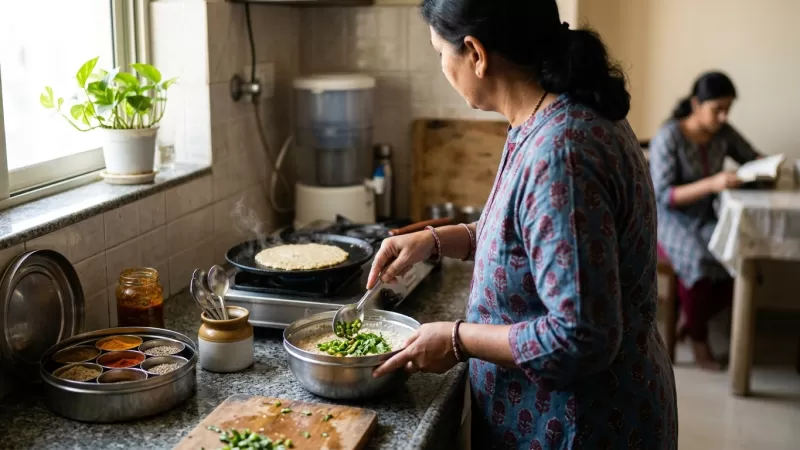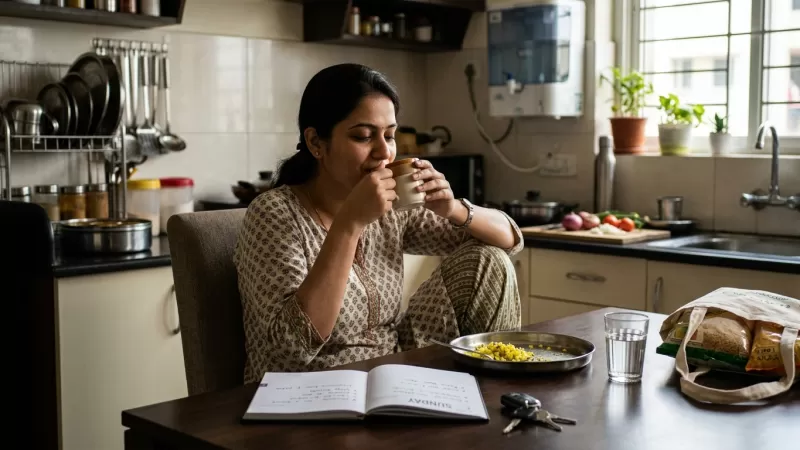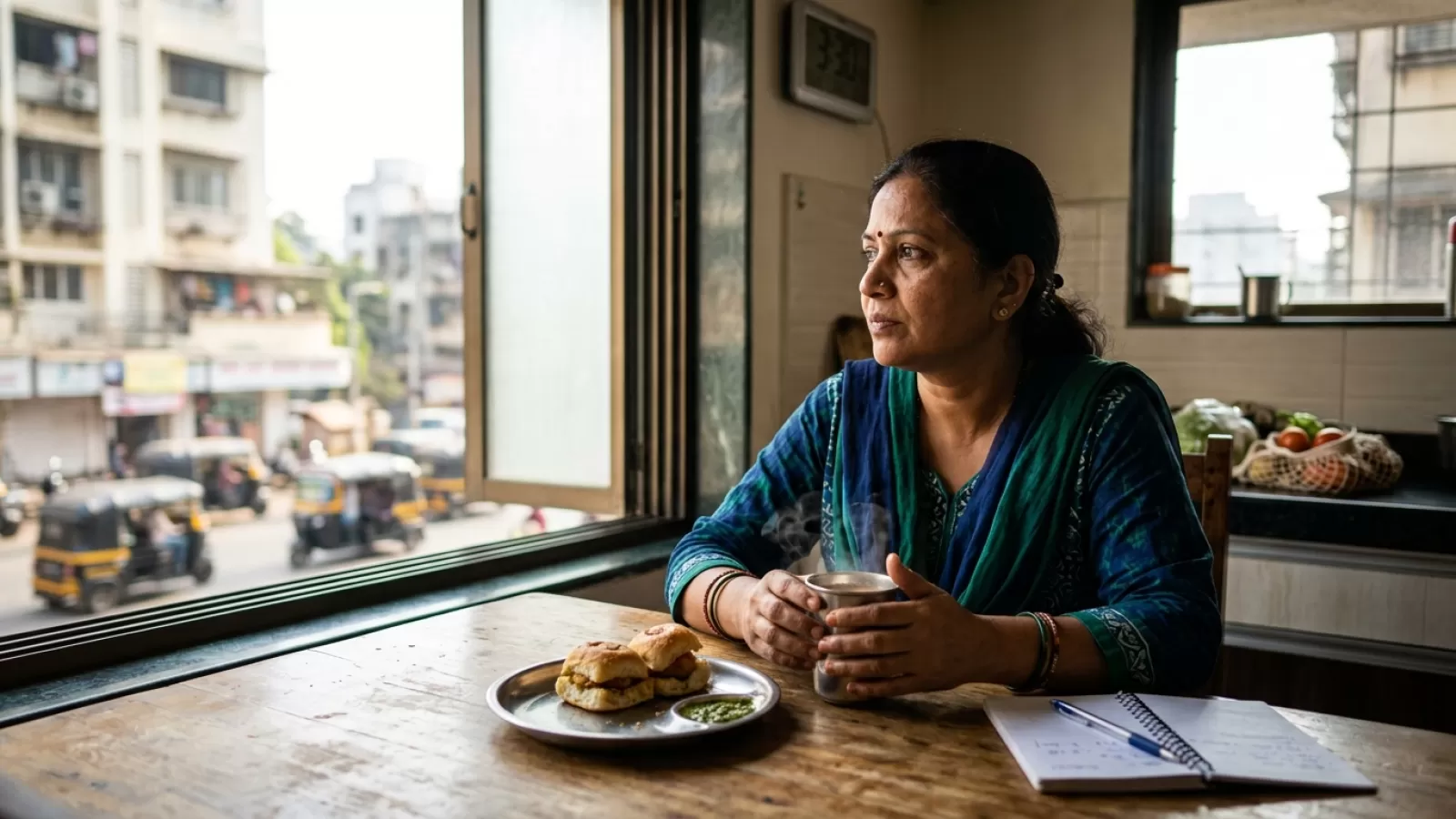
Most days, life in an Indian household moves faster than we’d like to admit. You wake up already thinking about lunch, the urgent work call, the school WhatsApp group, and the pile of clothes on the sofa that somehow never shrinks. Evenings disappear into dinner prep, helping with homework, checking on elders, and maybe—just maybe—some TV before bed. Many quietly wonder: where did my own time go? With so much to juggle, it’s only natural to feel like your personal identity gets buried under obligations. But even on those busiest days, it’s possible to carve out small pockets of personal space. It’s not about grand changes—just gentle, workable shifts that fit real Indian routines.
Why Does Personal Time Matter, Really?
In many homes, personal time is seen as a luxury or even a selfish wish. But here’s the thing—if you never get a breather, even for ten minutes, you’re not just tired. You start to forget who you are outside of work, family, and chores. That can make you feel lost or even a bit resentful over time.
Personal time doesn’t mean escaping responsibilities. It’s about making space to simply be yourself, quietly, even if for a short while. You might notice your mood improves, patience lasts longer, or you remember things you actually like doing. Families often function better when each person gets some breathing room.
And honestly, you’re not alone if you sometimes feel guilty for wanting this. It’s a very common feeling, especially among homemakers and working parents. But it’s okay to need your own moments.
Recognise the Invisible "Time Traps"
Time seems to slip away, but it’s rarely just because of big tasks. The culprits are often small, invisible things that add up—like endless WhatsApp messages, scrolling reels, or waiting for delivery boys who never seem to come on time. Many people don’t realise how much energy gets drained on things that aren’t truly important.
It helps to notice a few common time traps in Indian homes:
- Unplanned phone usage (social media, random calls)
- Repeated trips to the kitchen for snacks or tea
- Unexpected visits or long phone conversations with relatives
- Looking for things that aren’t kept in their place (keys, bills, socks)
Once you spot your own main time traps, you’ll see small ways to cut back. It’s not about removing all fun or connection, just making space for yourself too.
Start Small: Micro-Moments of Personal Time
When the day is packed, waiting for a big chunk of free time often means waiting forever. Instead, look for little moments—micro-breaks—that can still feel refreshing. These could be just 5 to 10 minutes, but they count.
Some things that quietly work in many Indian families:
- Enjoying your chai alone—by the window, in the balcony, or even in the kitchen before the morning rush begins
- Listening to your favourite old songs while folding clothes
- Taking a slow walk on the terrace after dinner, even if others are around
- Sitting in silence with your eyes closed, just for a few minutes before everyone wakes up
The tricky part is to not use these moments to catch up on chores or phone calls. Let them be just for you. It may feel strange at first, but after a few days, your mind starts looking forward to these pockets of peace.
Rethink Routines Instead of Adding Tasks
It’s easy to think, “If only I had more time, I’d read, draw, or exercise.” But for most people, especially in busy cities or joint families, extra time rarely appears out of nowhere. Instead, try weaving tiny bits of personal time into things you already do.
For example, if you travel by metro or bus, maybe you can listen to an audiobook or a meditation app instead of checking messages. If you cook daily, could you sometimes cook with music or a favourite podcast in the background? Even choosing to do certain chores at a slower pace—like watering plants or chopping vegetables—can quietly feel like your time, if you let yourself enjoy it.
That said, some days will be too rushed, and routines will break. It’s normal. The key is to return to your small habits the next day, without guilt or pressure.
Learn the Gentle Art of Saying "No"
Here’s something many hesitate to admit: a lot of our busyness comes from not wanting to disappoint others. In Indian families, it’s common to be pulled into every small request—"Can you help me with this form?" or "Let’s visit so-and-so today." Over time, saying yes to everything leaves you stretched thin.
Learning to say "no"—even softly—can make a big difference. You don’t have to be rude. Sometimes, a simple, “I’ll help in a bit, but I need to rest for a few minutes,” is enough. Or, “Let’s do this tomorrow, today’s been hectic.”
Many people worry that family or friends will mind. Often, they understand more than you think—especially if you’re gentle and consistent. Setting small boundaries slowly teaches others to respect your time, too.
Use Family Support (Even If It’s Not Perfect)
Some families run like well-oiled machines, but most have their share of chaos. Even so, trying to share small duties can free up a little time for everyone. This doesn’t mean a dramatic family meeting—just small, ongoing adjustments.
For instance, if you usually do all the evening tea-making, can someone else handle it twice a week? If you’re the first to wake up, maybe others can clear their own plates after breakfast. In joint families, asking for a little help—even if things aren’t done exactly your way—can lighten the mental load.
Here’s the catch: it might not work perfectly every time. But even a little support, here and there, can make your day less overwhelming and open up a few minutes for yourself.
Let Go of Perfection, Especially at Home
Many homemakers and working parents feel pressure to keep everything spotless, meals always fresh, and routines perfectly on track. Social media and family expectations often add to this invisible load. But honestly, most homes are a bit messy sometimes, and not every meal has to be elaborate.
Sometimes, letting go of small things—like not folding every towel perfectly or making simple dal-chawal instead of a big spread—can leave you a few extra minutes. It’s okay if the living room isn’t ready for guests every single day.
Real life isn’t always tidy. Allow yourself some slack. You’ll be surprised how freeing it feels to accept "good enough" rather than perfect, especially on your busiest days.
Make Personal Time Visible (Without Guilt)
Many people feel shy or even a little embarrassed to openly take a break, especially when others are watching. But if you want your personal time to last, it helps to make it visible. That means not hiding your book when someone walks in, or pretending you’re busy when you’re just resting on the sofa.
It can feel awkward at first, especially in families where everyone is always doing something. But often, when one person makes self-care seem normal, others start to do the same. Over time, your family may quietly learn to respect each person’s small need for space.
You matter, too. And you don’t need to earn your personal time by finishing every single task first.