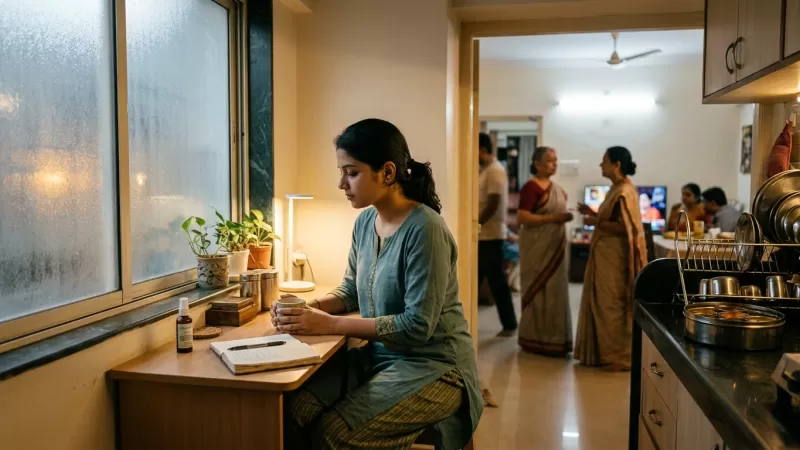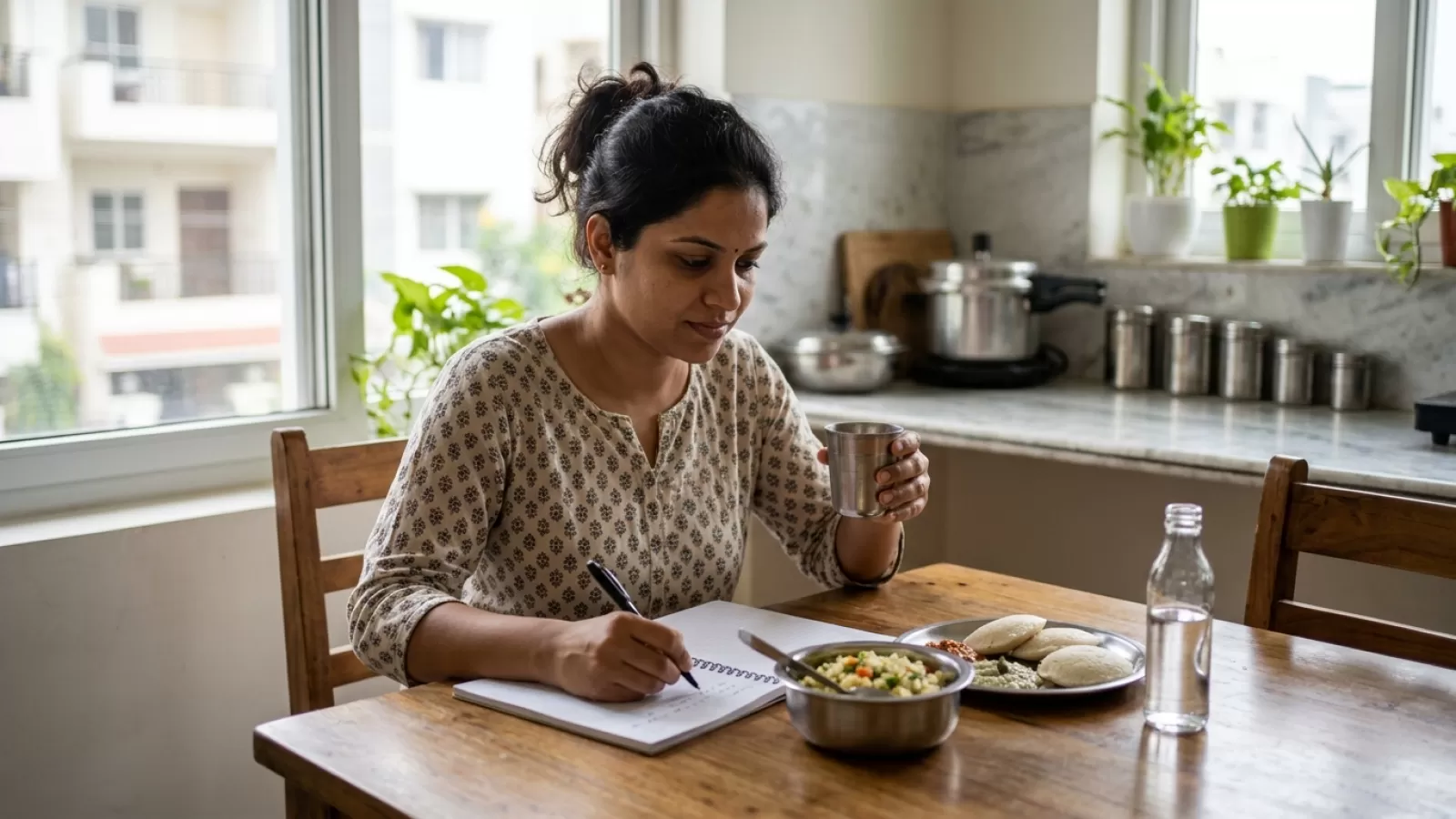
Some mornings in Indian homes begin with the promise of a new routine—tea on time, a brisk walk, maybe even a quick round of Surya Namaskar before the children wake up. But then, the doorbell rings early, the milkman’s late, or school gets cancelled last minute. Suddenly, those carefully made daily routine tips India families read about seem impossible to follow. Most days, it’s not lack of willpower; it’s the unpredictable rhythm of real life that leaves you feeling like your daily schedule is always slipping through your fingers.
That said, in many homes, the routines that actually stick aren’t the ones planned down to the minute. They’re the ones built around small, unchanging moments—like morning chai, the evening news, or the time everyone sits down for dinner. The trick is not to force your life into a rigid timetable, but to anchor your plans to the fixed points that almost never move.
Why Indian Routines Break Down So Often—And For Whom
In most Indian homes, daily routines aren’t just personal—they’re shared. What happens in one corner of the house can ripple through everyone’s day. A working parent may plan a perfect morning, but if the house help is late or the child’s school bus doesn’t come, the entire routine can unravel. Many have tried following daily routine tips India experts suggest, only to find their day derailed by family calls, sudden power cuts, or those extra-long meetings that spill into dinner.
This is especially true for working adults juggling home and office, seniors whose needs shift with health or weather, and homemakers whose days start before sunrise and end long after everyone else is asleep. In Indian cities, where traffic and commute times can change on a whim—or in smaller towns, where the arrival of guests can rewrite the day—building routine India for working adults means working with, not against, these shifting realities.
The Real Reasons Routines Don’t Stick in Indian Homes
The tricky part is, most routines are built for the best-case scenario. You might plan on waking up early, but a late-night family function or a sudden change in school timings throws everything off. Many Indian adults try to copy routines from books or celebrities, only to find they don’t match the reality of shared bedrooms, noisy mornings, or the way everyone gathers for chai at 5 pm.
Nutritionists who work with Indian families often find that the biggest disruptions come not from laziness, but from sudden changes—like festivals, power cuts, or unplanned guests. In many homes, routines aren’t flexible enough to bend when life does. If you plan every minute, even a small delay can make the whole schedule feel broken. That’s why fixing daily schedule India style often means focusing on the few things that always happen, no matter what else changes.
Signs Your Daily Routine Isn’t Working For You
- Routines last only a few days: Many find their new schedule falls apart by midweek—often after the first late night, school holiday, or unexpected phone call from family.
- Constantly playing catch-up: You spend most of the day reacting—missing breakfast, skipping your walk, eating a rushed lunch—rather than following your plan.
- Guilt and frustration: There’s a sense of failure when the routine doesn’t work, even though the reasons are outside your control.
- Dependence on ideal conditions: Your routine only works if everything goes perfectly—no traffic, no extra chores, no power cuts, no guests.
- Family tension over timing: Arguments or stress arise when one person’s routine disrupts another’s, like overlapping bathroom times or clashing meal preferences.
Everyday Fixes: How to Build a Routine That Survives Disruption
- Anchor to what never moves: In most Indian homes, chai time, main meals, and the time the house quiets down at night are the real anchors. Start by building your daily routine around these. For example, if dinner is always at 8:30 pm, let that be your evening anchor, and plan other tasks around it.
- Limit the number of fixed points: Instead of scheduling every hour, pick 2–3 non-negotiable moments—like morning tea, lunch break, and bedtime. Let everything else flex depending on the day.
- Leave space for the unexpected: Block a short buffer after major events—like after school drop-off or after work ends—so you can deal with traffic, calls, or last-minute chores without panic.
- Reset at each anchor: Even if the rest of your day falls apart, use the next anchor (like lunch or evening chai) as a fresh start. A working professional in Bengaluru might lose their morning routine to traffic, but can reset their focus after their 11 am tea break.
- Accept seasonal shifts: During summer, when power cuts are frequent and sleep is disturbed, routines that worked in winter may not work now. Adjust your main anchors to fit the season—for example, moving your evening walk later to avoid the heat.
How Routines Really Show Up: A Day in an Indian Home
A kitchen in Nagpur at 6am, in the humid heat of May. The house is already stirring—pressure cooker whistles, the scent of ginger being crushed for chai, a fan humming in the hall. The plan was to start with yoga, but the night’s power cut meant everyone overslept. Despite this, the mother-in-law’s chai time hasn’t changed, nor has the time the kids leave for tuition. Breakfast is poha, eaten standing, while the radio plays news in the background. No one follows the exact routine they hoped for, but everyone still moves around those fixed points—chai, tuition, breakfast, and evening TV. That’s what keeps the day together, even when everything else shifts.
When It Makes Sense To Reach Out For Help
Sometimes, even after trying all the daily routine tips India households share, routines just don’t work. If you find that changes in mood, sleep, or appetite are lasting weeks—or if daily disruptions are leading to real distress—it can help to talk with someone. This might be a family member, a trusted friend, or even a doctor, especially if you suspect a health concern. Small changes can go a long way, but outside support is sometimes what’s needed when routines break for reasons beyond your control.
Common Questions
Daily routines in Indian homes come with their own set of surprises and challenges. If you’ve been struggling to build a routine that actually sticks, you’re definitely not alone. Let’s walk through some of the most common questions about fixing daily schedule India style—and how you might approach them at home.
Why do Indian adults keep building routines that work for a week and then fall apart completely?
In many Indian homes, routines are built for the best version of the week—when everyone’s healthy, school and office timings are predictable, and there are no guests or festivals. But real life is rarely so tidy. A working adult might follow a perfect routine until Thursday, when a late meeting or family call throws everything off. The issue isn’t lack of discipline; it’s that most routines ignore the unpredictable events that are simply part of Indian family life. That’s why routines often crumble after a few days—life shifts, and the plan doesn’t bend with it.
What are the minimum fixed daily anchor points that make the rest of the day more predictable?
Usually, the anchors that work best are the ones that happen no matter what—like morning chai, the main meal (lunch or dinner), and bedtime. In many Indian homes, these moments are almost sacred. For example, breakfast after the kids leave for school or evening tea before the news comes on. Building your daily routine around these fixed points can make everything else more flexible, so even if chores or work timings change, the overall structure of your day remains familiar.
How do you rebuild a routine quickly after disruption like illness, travel, or a family event?
Start small. After a disruption, return to your fixed anchor points first—like resuming morning tea or your usual bedtime. Don’t try to restart the entire routine at once. In many homes, after a wedding or a bout of illness, families find their footing again by focusing on just one or two daily rituals, then slowly adding back other habits. This gentle approach helps avoid overwhelm and makes it easier to get back into a comfortable rhythm.
Is a flexible structure better than a strict routine for most Indian working adults?
Most working adults in India find that a flexible routine works better, especially when sharing space with family. For example, a professional working from home may have to adjust meetings or calls around family members’ needs, power cuts, or meal timings. A flexible structure lets you adapt without feeling like you’ve failed. Over time, this reduces stress and makes it more likely that you stick to the important parts of your routine, even as the details change day to day.
What is the single most important habit to anchor an Indian daily routine around?
Usually, the main meal or chai time is the strongest anchor in Indian homes. For many, the evening tea break is when the family gathers, no matter how busy the day has been. If you build your routine around this key moment—planning work, chores, and rest around it—you’re more likely to keep your day feeling predictable, even when everything else shifts. It’s not about the exact activity, but the regularity and comfort it brings to everyone in the house.