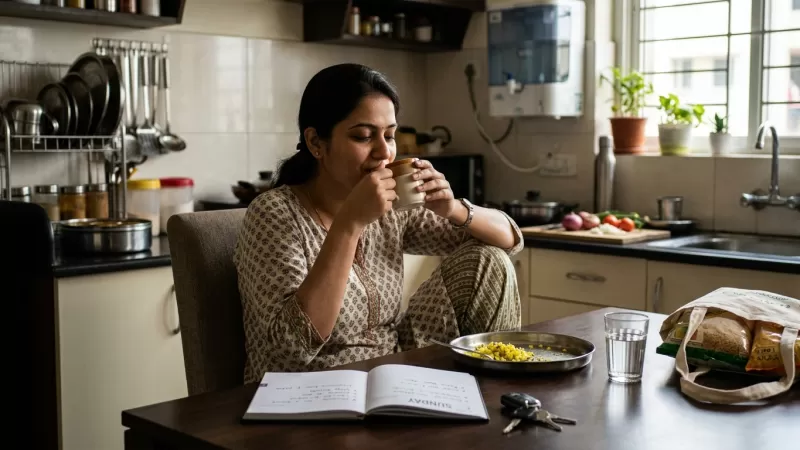
There’s something about Indian afternoons that just makes focus drift away. Maybe it’s the warm sun, the heaviness after lunch, or the long stretch between morning urgency and evening energy. In many homes, afternoons are when minds wander, to-do lists feel heavier, and energy dips—yet there’s still much left to do. If you’ve found yourself staring blankly at your work, feeling guilty about unfinished chores, or simply unable to gather your thoughts, you’re not alone. These gentle rhythms for afternoons aren’t about changing your whole routine or pushing yourself harder. Instead, they’re about small, thoughtful shifts that help bring a little balance back—without pressure or fuss.
The Midday Dip: Why Afternoons Feel Drifty
Most people notice a natural dip in energy and attention a couple of hours after lunch. It’s not always about laziness or lack of willpower; the body and mind just slow down a bit in the heat or after a meal. In many Indian homes, lunch tends to be the main meal—dal, rice, roti, sabzi, sometimes a bit of dahi. The satisfaction of a full plate is quickly followed by a gentle drowsiness. Add to that the quiet hum of summer fans or the stillness of a winter afternoon, and focus often slips away.
For children returning from school, working adults hunched over laptops, or seniors reading the paper, it’s natural to feel a little disconnected in the afternoon hours. These days, with many working from home or juggling household tasks alongside office work, those post-lunch hours can feel especially long. The tricky part is, there’s still plenty left to finish, but the mind just refuses to cooperate.
Instead of fighting this dip, it often helps to accept it as a normal part of the day. That acceptance alone can reduce the frustration and guilt that tends to pile up.
Micro-Pauses: Small Breaks, Big Difference
One gentle rhythm that helps many families is the idea of micro-pauses—short, intentional breaks that don’t require leaving your work entirely. These aren’t the long tea breaks that stretch into gossip sessions. Just a few minutes to breathe, look away from the screen, or stand up and stretch. You’ve probably noticed how, after even a minute of moving around, your mind feels a bit clearer.
- Sit back and close your eyes for five deep breaths.
- Walk to the window and notice what’s happening outside—birds, the movement of leaves, distant traffic.
- Fill your water bottle and sip slowly, paying attention to the sensation.
- Stand up and gently stretch your arms and neck.
These tiny pauses rarely interrupt productivity. In fact, they often help you return with a bit more attention, especially when the mind feels foggy.
The Comfort of Familiar Sounds and Smells
In many Indian homes, certain sounds and smells mark the afternoon: the whistle of a pressure cooker, distant temple bells, a neighbor’s radio, or the scent of cardamom in chai. These aren’t distractions, but gentle reminders that life is moving at its own pace. Leaning into these familiar cues can actually help you ground your attention.
Some families quietly use background sounds—a soft bhajan, old Hindi songs, or just the whir of a ceiling fan—to create a sense of rhythm. For others, preparing a quick cup of chai or nimbu pani acts as a small ritual, breaking up the monotony and providing a sense of comfort. You might find that the act of making tea, even if you don’t drink it right away, helps anchor the afternoon.
It’s a simple way to bring your thoughts back to the present without forcing them.
Gentle Movement Instead of Restlessness
When focus fades, the body often feels restless—legs bounce, fingers tap, or you find yourself pacing aimlessly. Instead of seeing this as a problem, it can help to channel that restlessness into gentle movement. Not a workout, not a chore, just a small physical shift.
- Water a few houseplants or check on the balcony garden.
- Fold some washed clothes or arrange the cushions.
- Walk slowly from one room to another, noticing the change in light or temperature.
- Step outside for a few minutes, even if it’s just to the building corridor.
This kind of movement doesn’t need time or planning. It often helps shake off the mental cobwebs without any pressure to be productive.
Light Snacks for a Gentle Boost
It’s common, especially after a heavier lunch, to crave something small in the late afternoon. While everyone has different tastes, many families reach for quick, familiar snacks—roasted chana, fruit, a few peanuts, or a piece of gur with tea. These are usually enough to give a gentle lift without feeling heavy.
The key is to keep it light and simple, avoiding snacks that leave you sluggish. A banana, a small bowl of curd, or a piece of khakra can do the trick. Some homes keep a little dabba of dry fruits handy for just these moments. There’s no need for elaborate spreads; the point is just a little bit of comfort and energy.
That said, it’s easy to slip into mindless munching when you’re unfocused. Setting out just the amount you need, and putting the rest away, can help you enjoy the snack without overdoing it.
Shifting Focus: The Power of Tiny Tasks
When your brain refuses to focus on big, important work, it sometimes helps to pivot to smaller, low-pressure tasks. There’s something satisfying about ticking off even a tiny item from your list: replying to a quick message, sorting a drawer, or jotting down tomorrow’s shopping needs. These days, many people feel guilty about not tackling the “main thing” on their plate. Truth is, progress often comes in little steps.
On afternoons when your mind drifts, try switching to tasks that don’t need deep concentration. Later, when your energy returns, the heavier work might feel less daunting. It’s a way of being gentle with yourself, rather than all-or-nothing.
You might not solve every problem in these hours, but you can still move forward—one small step at a time.
Restful Eyes, Rested Mind
Screen time adds to afternoon tiredness. Many homemakers and professionals, especially those working from home, end up spending hours on laptops and phones—even when attention fades. This can make the mind feel even more scattered.
Giving your eyes a break can help. Just looking at something green, like balcony plants or a tree outside, relaxes the eyes and, often, the mind. In some homes, people use this time to do a short prayer or just sit quietly, eyes closed, for a couple of minutes. It’s a small act, but it tends to refresh both mind and body.
Even if you can’t step away completely, shifting your gaze from the screen to a distant object every now and then can ease that mid-afternoon strain.
Letting Go of Perfection in the Afternoon
Many families quietly deal with the idea that afternoons should be just as productive as mornings. Culturally, there’s often a sense of guilt if you’re not constantly busy. But afternoons aren’t always for big achievements. Sometimes, they’re for slow, steady, imperfect progress.
If you find yourself feeling behind, it’s okay to adjust your expectations. Maybe you finish one important thing and let the rest wait. Or you tidy up a little, instead of tackling the whole house. Some days, gentle effort is enough.
Honestly, not every afternoon will be perfectly balanced. And that’s fine.
What matters, most days, is that you move through this stretch with a little kindness—to yourself, and to the rhythm of your home.