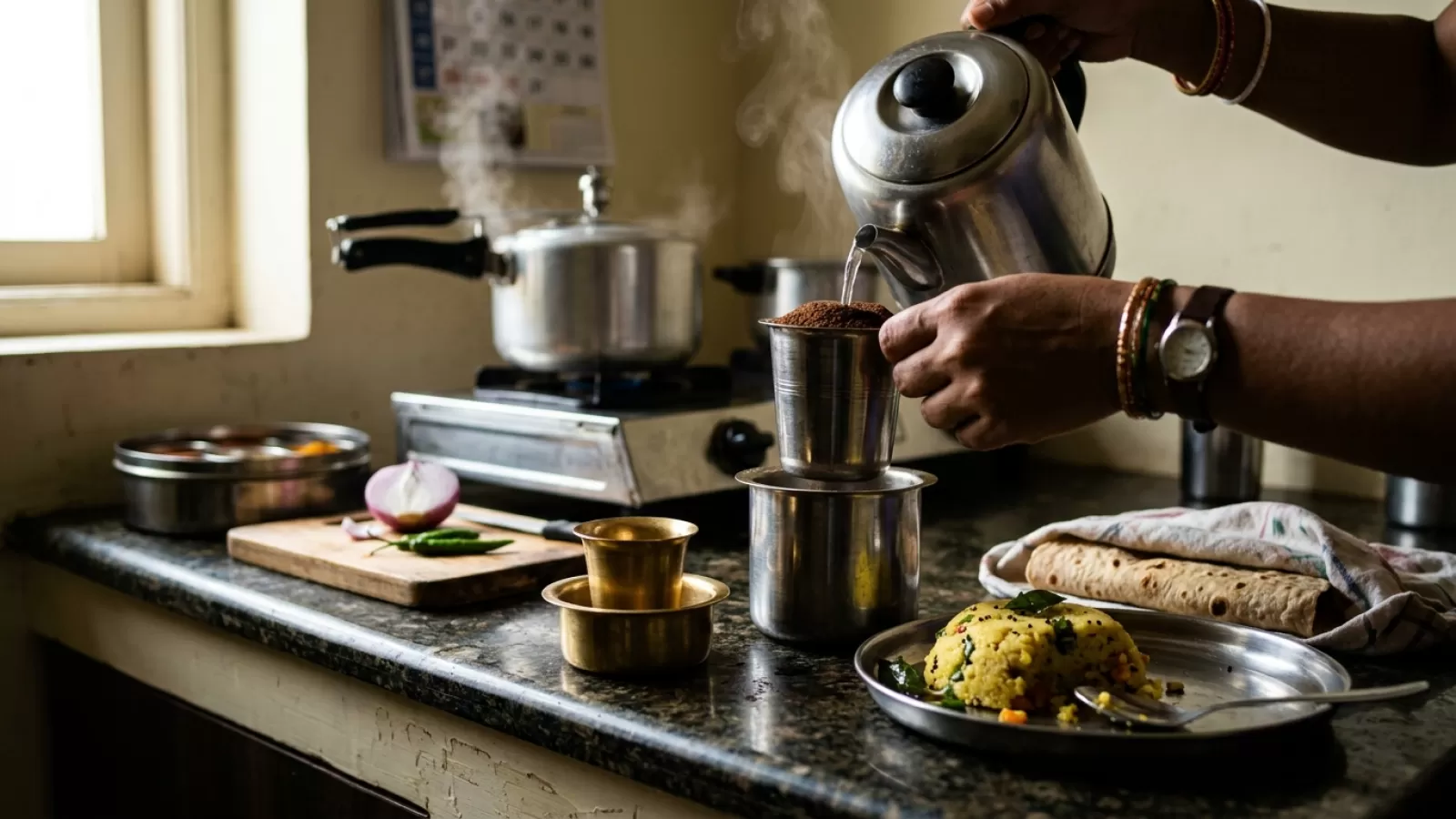
Many mornings in Indian homes begin with a familiar swirl of activity – the clatter of utensils, the faint aroma of chai, the sound of water running, and sometimes, a quiet sense of being in a hurry even when there’s nothing major on the agenda. You might notice it on days when there’s no office rush, no school bus to catch, and yet, there’s still a restless feeling that pushes you to move faster than needed. This gentle guide is for those mornings: the ones that feel rushed for no clear reason, and the small pace patterns that can help you feel steadier, without forcing yourself into an unnaturally slow routine.
Recognizing the Hidden Rush
Not every hurried morning involves alarms blaring or children scrambling to find socks. Sometimes, it’s subtler. You might wake up early, thinking you have plenty of time, but somehow still find yourself gobbling breakfast or checking the clock again and again. It’s not always about commitments—sometimes it’s just an old habit, or a sense of invisible pressure that creeps in as the day begins.
In many Indian homes, the morning routine is almost a ritual. Making tea, tidying the kitchen, getting the news, perhaps a quick walk on the terrace. Even without office calls or packed lunchboxes, there’s a rhythm that feels brisk. You’ve probably noticed that when this pace gets too fast, it can leave you feeling unsettled, even before the real tasks begin.
It’s worth pausing to notice: is it really the to-do list, or just the feeling of needing to get started? For many, the latter is often the culprit.
Understanding Your Morning Patterns
Most families have their own morning patterns—some shaped by necessity, others by old habit. There’s the quick cup of tea before anything else, the habit of checking WhatsApp messages first thing, or the urge to get chores out of the way as soon as possible. Over time, these become automatic.
The tricky part is, not all of these patterns actually help you start the day well. Some, like immediately reaching for your phone, can make you feel rushed even before you’ve left bed. Others, like starting household chores before breakfast, might leave you running on empty.
Here are a few patterns that tend to create a steady pace:
- Having one small, non-negotiable anchor (like a cup of tea in peace)
- Doing things in the same order most days (bath, prayer, breakfast, then chores)
- Leaving certain things, like checking news or emails, for after breakfast
These are not rules—just gentle guideposts to help mornings feel less scattered.
Small Anchors That Bring Steadiness
Many people find that having a single, simple anchor in the morning can make all the difference. This doesn’t have to be anything grand. For some, it’s quietly sipping chai before anyone else wakes up. For others, it’s watering plants, or even just opening the windows to let in some fresh air.
The point of an anchor isn’t to slow everything down dramatically. It’s just to give your mind a small pause, a sense of rhythm, before the day starts rolling. In homes where mornings tend to feel hurried, this little pause often gets skipped, and you can feel it in how the rest of the day unfolds.
You might try:
- Listening to a favourite bhajan or old Hindi song for five minutes
- Sitting on the balcony or doorstep for a minute before starting chores
- Lighting a diya and taking a few deep breaths
These are gentle, low-effort ways to anchor your morning—and over time, they can become a comforting habit.
Letting Go of the ‘Efficiency’ Trap
It’s easy to think that faster is always better. Many of us, especially in joint families or busy nuclear homes, have learned to do things quickly, almost on autopilot. There’s a certain pride in a well-oiled morning routine—breakfast on the table, tiffins packed, house swept, all before eight o’clock.
But here’s the catch: when there isn’t an urgent reason to rush, this drive for efficiency can actually leave you feeling tired before the real work begins. It’s a bit like driving in top gear on an empty road—you don’t get anywhere faster, and you might miss the scenery.
If you notice yourself hurrying through even simple tasks (like making dal or folding laundry), it might be worth asking: “Is there really a need to rush right now?” Often, just noticing this tendency is enough to create a little breathing space in your morning.
Adjusting the Sequence, Not Just the Speed
It’s not always about doing things more slowly. In fact, trying to force yourself to slow down can feel unnatural, especially if you’re used to moving quickly. What sometimes helps is changing the sequence of tasks, or building in a short, deliberate pause between them.
For example, instead of jumping from bed straight to the kitchen, you could take two minutes to sit quietly by a window or on the balcony. Or, if you usually start by checking your phone, you could try making the bed or washing your face first. These small shifts can change the whole feeling of the morning, even if the total time spent is the same.
Some people find it helpful to:
- Do one thing fully before moving to the next (finish making tea, then start breakfast)
- Group similar small chores together
- Alternate between active (sweeping, cooking) and quiet (reading, sipping tea) tasks
It’s about finding a sequence that feels natural for your home, not necessarily what’s most ‘efficient’ by the clock.
Handling Disruptions Without Losing Balance
Even the calmest morning can be thrown off by a sudden phone call, a forgotten errand, or a small household crisis (like the milk boiling over—again). It happens in every home, and often the initial reaction is to move even faster, hoping to catch up.
Most families quietly deal with these little disruptions every day. The trouble starts when a small surprise early in the day sets a rushed tone for hours. You may have noticed that if you react with extra haste, the feeling of being behind can linger long after the actual problem is solved.
One gentle way to handle these moments is to build in a small pause immediately after a disruption. Even a few deep breaths or a minute to reset your mind can help bring back some steadiness. It’s not always easy, especially if you’re already feeling behind, but it does help prevent the morning rush from taking over the whole day.
Rituals and Routines That Fit Indian Homes
There’s something comforting about rituals—lighting incense, making moong dal for breakfast on Mondays, or reading the newspaper with your first cup of tea. In many Indian homes, these small routines help mark the beginning of the day, even when life outside feels unpredictable.
The beauty of such rituals is that they don’t have to be elaborate or time-consuming. They’re just small, familiar actions that ground you. Over time, these routines can become a signal to your mind and body that the day is starting, but there’s no need to rush through it.
If you live with family, involving others in these small rituals (like saying good morning, or sitting together for a few minutes) can help everyone feel more connected—and less hurried. Even on solo mornings, a small ritual can offer a sense of stability.
When Mornings Stay Rushed—And That’s Okay
Some seasons of life are just busy, no matter how carefully you plan. During school exam time, festival days, or when work deadlines pile up, mornings can feel rushed despite your best intentions. It’s easy to feel guilty or frustrated when you can’t seem to slow down, even on quieter days.
The truth is, not every morning will be calm or perfectly steady. Sometimes, just recognizing that you’re in a busy phase—and it’s temporary—can help you be kinder to yourself. There’s no need to force slowness or aim for a perfectly balanced routine every single day.
What matters is having a few pace patterns in your pocket, so on the days you do have space, you know how to create a little steadiness. And on days when everything feels rushed, just surviving the morning is enough.
After all, mornings in Indian homes are rarely silent or perfectly organized. They’re full of small rituals, unexpected moments, and sometimes, a bit of chaos. That’s part of their charm.