Some days in Indian homes, even with a full list of chores and responsibilities, it can feel like you’re floating from one thing to the next without a clear sense of direction. You might wake up, put on the tea, and then wonder what exactly you’re even working towards that day. It’s not laziness. It’s just that sometimes, despite having plenty to do, the day can feel a little shapeless. If you’ve felt this way—especially during long stretches at home, summer holidays, or quieter weeks—know that you’re not alone. Many families quietly deal with these odd, aimless-feeling days. Let’s talk about gentle, realistic ways to bring a little flow and soft direction back, using familiar routines and the small comforts of Indian life.
Understanding Aimless Days: Why They Happen
First, it helps to know that these aimless-feeling days are quite normal. In many Indian homes, routines get shaken up—maybe due to school vacations, a break between work projects, or even during festival seasons when schedules get thrown off. Sometimes, the reason isn’t even clear. You just wake up and notice the usual energy is missing.
The tricky part is, you might still be busy. There are meals to cook, groceries to buy, phone calls to make. But the day feels like it’s missing a thread pulling it all together. It’s as if you’re on autopilot.
It’s easy to feel a bit guilty about this, but there’s no need. These phases come and go for most people. What matters is finding small ways to gently nudge yourself toward a sense of flow, even if it’s just for a few hours at a time.
Soft Anchors: Reliable Routines That Calm
On days that feel unstructured, familiar routines can act like soft anchors. Not strict schedules—just a few habits you can count on, no matter how the rest of the day shapes up.
For many Indian families, these anchors are simple:
- Morning chai or coffee at roughly the same time
- Sweeping or mopping the house before breakfast
- Lighting a diya or saying a quick prayer after bathing
- Evening walks around the colony or local park
- Family TV time after dinner
You don’t need to force yourself into a rigid timetable. Just letting these small rituals happen, even if you don’t feel like it, usually brings a little steadiness to the day. And sometimes, that’s enough.
Gentle To-Do Lists: Noticing, Not Demanding
Some people find that on fuzzy days, a strict to-do list makes things worse. The pressure to tick off everything can feel heavy when you’re already low on motivation. But there’s another way to approach lists—more gentle, more forgiving.
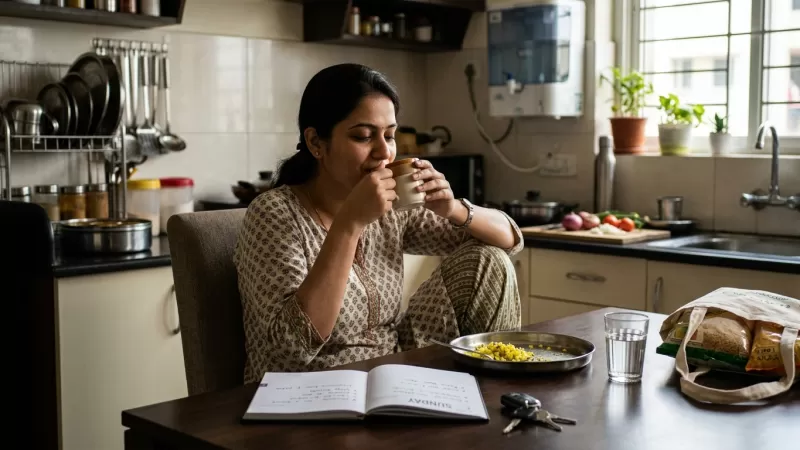
Try jotting down just three things you’d like to get done—nothing fancy, just in a notebook or on your phone. It might look like this:
- Soak chana for tomorrow’s curry
- Call the plumber about the leaking tap
- Sort through the pile of old magazines
Notice, these aren’t big goals. They’re just small markers for your day. If you finish them, good. If not, that’s okay too. The point is to give your day a tiny bit of shape, without making it a competition against yourself.
Moving the Body: Simple Ways to Reset
Many people in India find that physical movement—however small—helps shake off that aimless feeling. It doesn’t have to be a workout video or a strict yoga session. Sometimes, it’s enough to just get up and move around the house.
Here are a few ideas that work in most homes:
- Sweeping the floor or dusting shelves (there’s a reason our elders trusted these chores for clearing the mind)
- Walking up and down the stairs a few extra times
- Watering balcony plants, even talking to them for a minute
- Standing stretches while waiting for milk to boil
You’ve probably noticed: sometimes, just changing the room you’re in can wake you up a little. This isn’t about burning calories. It’s about gently shifting your energy.
Food as Flow: Meals That Feel Like Markers
Indian homes tend to run on meal rhythms—breakfast, lunch, tea, dinner. On aimless days, these can help you regain a sense of flow, especially if you pause for a moment to notice what you’re eating, instead of rushing through.
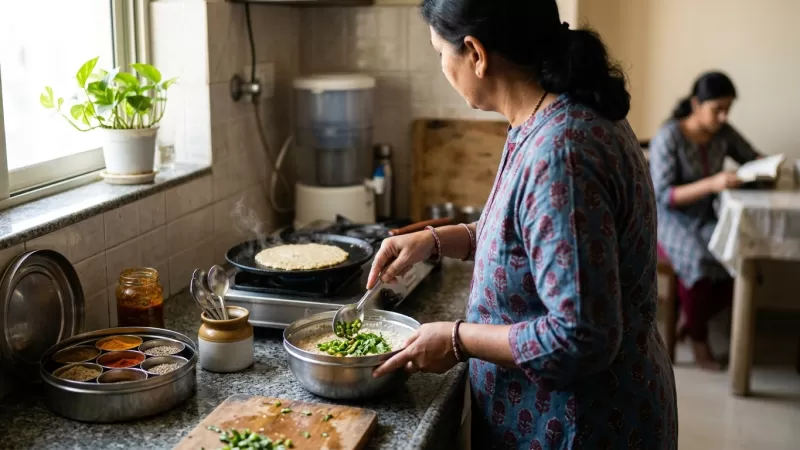
For example, making a simple dal-chawal lunch, and sitting down to eat it without screens, can act as a natural pause. Even chopping vegetables quietly or kneading dough can anchor your attention in the present.
Some families find comfort in planning one nice thing for the day’s food—a special chutney, a favourite sabzi, or even homemade nimbu paani during hot afternoons. It’s not about elaborate cooking. It’s about letting meals be little islands of calm and care, even on muddled days.
Mini Breaks: Short Pauses, Not Escapes
It’s tempting, on days that feel aimless, to turn to endless scrolling or TV marathons. While a bit of entertainment is fine, it often leaves you feeling more drained. Instead, consider short, intentional breaks—just five or ten minutes—to reset your mood.
Some options that tend to help:
- Sitting quietly by the window with a cup of tea
- Listening to one favourite song, eyes closed
- Flipping through old family photos
- Writing a short message to a friend or relative
The difference? These breaks are about noticing your mood, not running away from it. Over time, these little pauses can help you come back to your day with a bit more clarity.
Connecting with Others: Gentle Social Touchpoints
In joint families or even busy small ones, it’s easy to go through the day without really connecting, especially if everyone’s on their own screens or schedules. On slow, directionless days, a small effort to connect can help you (and others) feel less adrift.
This doesn’t mean deep conversations or family meetings. Sometimes, just asking, “How was your morning?” or sharing a funny memory at the lunch table can be enough. If you live alone, even a short phone call with a friend or sibling can break up that sense of drifting.
During festival seasons or after family events, the house can feel oddly empty. On such days, a neighbourly chat in the corridor or a shared cup of tea with your house help can bring back a gentle sense of belonging.
Ending the Day: Simple Wind-Downs That Feel Real
How you wind down matters, especially on days that felt scattered. Many Indian homes have quiet end-of-day rituals—lighting an agarbatti, listening to evening news, or folding clothes while watching a serial. These small acts can help you draw a soft line under the day, even if it wasn’t productive in the usual sense.
Here’s the catch: it’s not about cramming in last-minute tasks or overthinking what you didn’t do. It’s about letting the day end gently. Maybe writing a line or two about the nicest moment you had, or simply washing your face and sitting quietly before bed.
Some nights, you may still feel a bit unsettled. That’s alright. Aimless days come and go, but soft routines, small connections, and forgiving yourself for not having all the answers—that’s what helps most families quietly carry on.
In the end, you don’t need perfect plans or endless energy to bring flow back to your days. Sometimes, just noticing the small rhythms already there is enough to help you find your own gentle direction again, even when the path feels unclear.