Some days just seem to blur together, don’t they? You get up early, manage the kitchen, help the kids, answer work calls, and before you know it, it’s already evening. In many Indian homes, especially these days, responsibilities overlap in quiet but heavy ways. The mental load—remembering bills, school projects, groceries, office tasks—can feel like trying to juggle too many balls at once. There’s no magic way to split everything neatly, but there are simple ideas that can help you find a little more balance, even when duties pile up.
Why Responsibilities Overlap More These Days
Overlapping responsibilities aren’t really new, but the way they pile up has changed. Work-from-home, online classes, and the habit of always being ‘on’—these things have crept into our routines. Earlier, office and home had a clearer boundary, but now, a work call can interrupt lunch, or a school notification pings during your evening chai.
Joint families sometimes spread the load, but that’s not always the case. Many elders quietly shoulder tasks, and working couples often split chores unevenly. Even with help at home—maids, drivers, or family members—coordination itself becomes a responsibility.
So, if you feel like you’re always “on duty,” you’re not alone. It helps to accept this reality first, instead of chasing a perfect routine that never fits.
The Mental Load: Invisible Yet Heavy
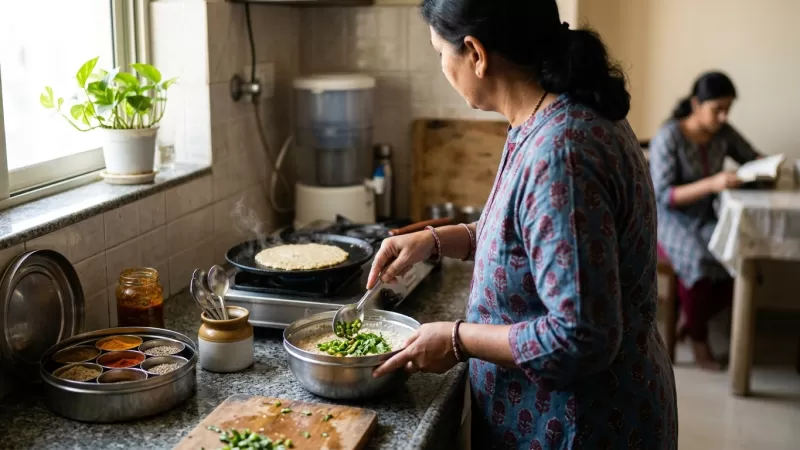
There’s the visible work: making rotis, folding clothes, answering official emails. But there’s also the invisible work: remembering medicine times, checking if the gas cylinder is low, planning for festivals or relatives’ visits. This mental load is rarely discussed, but it quietly drains your energy.
Many homemakers, especially women, carry a large share of this. It’s not about who does more, but about who remembers more. The tricky part is—mental load doesn’t have fixed hours. It follows you, even during your evening walk or while watching TV with family.
Sometimes, just naming this load or sharing it in small ways (like leaving a sticky note or telling someone what you’re thinking about) can lighten the weight. It’s not a solution, but it does help a little.
Finding Small Separations in a Shared Space
Physical space is often limited in Indian homes, especially in apartments. Still, you can create mental boundaries, even if you can’t always create physical ones. For example, you might decide that the dining table is for meals, not for work laptops and files—at least during breakfast and dinner.
Here are a few ideas that many families quietly practice, even without strict rules:
- Light a diya or incense stick after cleaning in the evening; it signals a shift from “work” to “home” time.
- Use a specific chair or corner for office work, even if it’s just a plastic chair you move around. When you leave that spot, pause for a minute before switching roles.
- Keep the phone away during family meals, even if it’s just for 20 minutes. This tiny pause gives your mind a chance to reset.
These are small things, but over time, they help your brain separate the overlapping roles a little better.
Simple Routines That Ease Overlap
Routines often sound boring, but in reality, they quietly smoothen the day. Many Indian households have their own rhythms—morning tea, washing clothes before noon, evening walks. When responsibilities keep overlapping, routines act as gentle signposts. They don’t solve everything, but they give your day a familiar flow.
Not every routine needs to be strict. You might try:
- Setting a fixed 10-minute break after lunch, no matter how busy you are. Just sitting quietly or listening to a song can refresh you.
- Assigning one day for weekly tasks—like paying bills on Saturdays or cleaning the fridge on Wednesdays. This way, you avoid thinking about them every single day.
- Preparing next day’s to-do list after dinner, so your brain isn’t racing as you try to sleep.
Of course, routines break sometimes—guests come over, kids fall sick, or work runs late. That’s normal. The key is to return to them when you can, instead of giving up entirely.
How to Ask for Help Without Guilt
Many people hesitate to ask for help, thinking it’s a sign of weakness or failure. In reality, sharing responsibility is just practical, especially when everything overlaps. You’ve probably noticed that in some families, responsibilities fall naturally on one person, until it quietly becomes too much.
If you’re feeling stretched, try these gentle ways to involve others:
- Assign small, specific tasks to family members. For example, someone can water the plants or collect laundry, rather than vague “help around the house.”
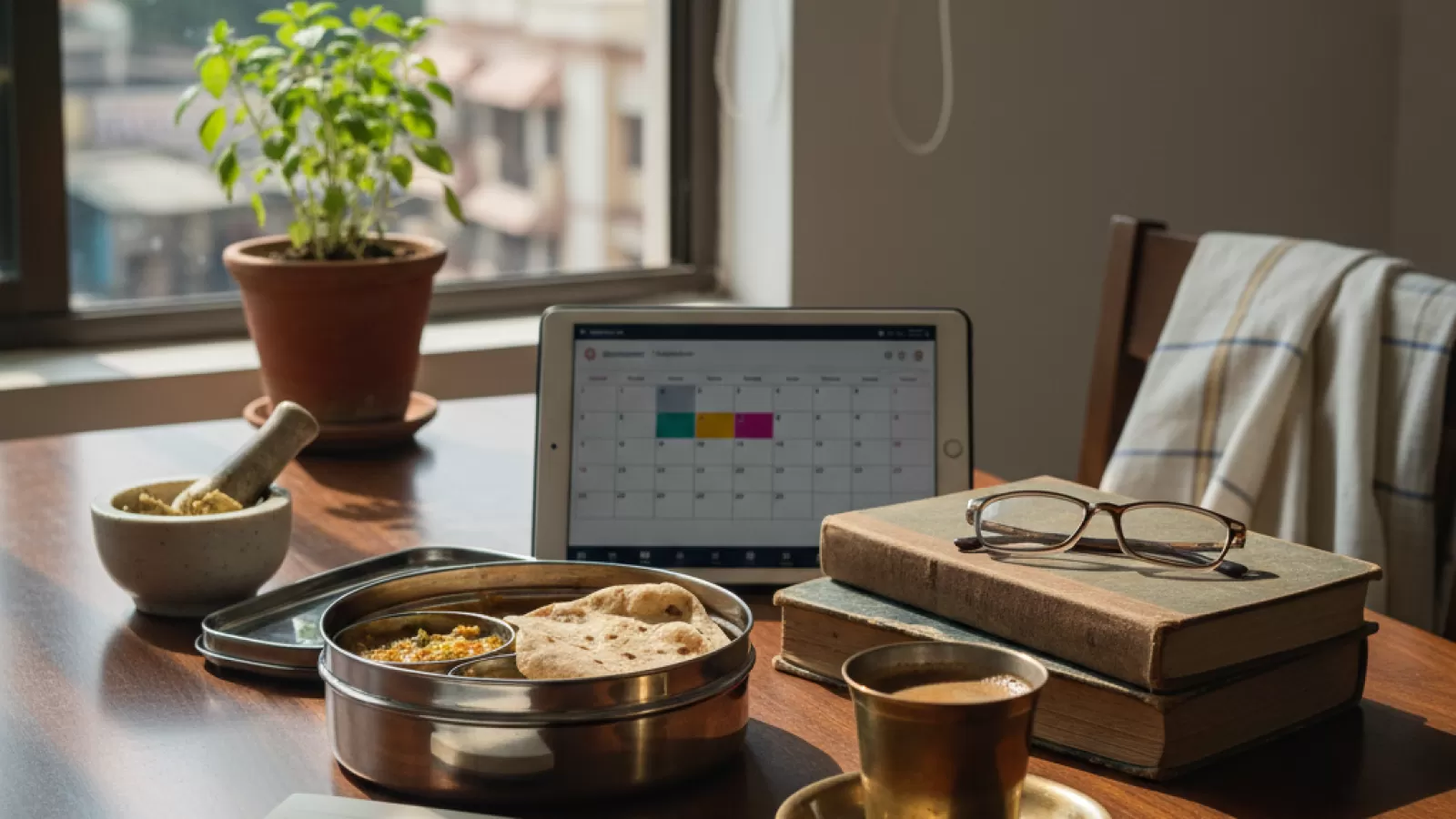
- Use technology for reminders. Many families now use WhatsApp groups for household messages—sharing grocery lists, reminders, or festival prep.
- Be honest about your fatigue. Sometimes, a simple “I’m tired, can you handle this today?” works better than struggling in silence.
The world doesn’t end if one person takes a break or asks for help. In fact, it often brings the family closer, even if there are occasional grumbles.
Dealing with the Guilt of "Not Doing Enough"
Guilt is a silent companion for many, especially when responsibilities overlap. You might feel you’re not giving enough time to family, work, or even yourself. Social media doesn’t help—everyone seems to be managing perfectly, cooking elaborate meals, and keeping spotless homes.
Here’s the catch: Most people are juggling, just like you. They just don’t say it out loud.
It helps to set your own standards, not follow every trend or advice. If dinner is dal-chawal again, that’s fine. If the house is a little messy during the week, that’s normal. What matters is that your home feels lived-in, not perfect.
Try not to compare your behind-the-scenes struggles with someone else’s highlight reel. Even small efforts count, especially on tough days.
Finding Tiny Moments for Yourself
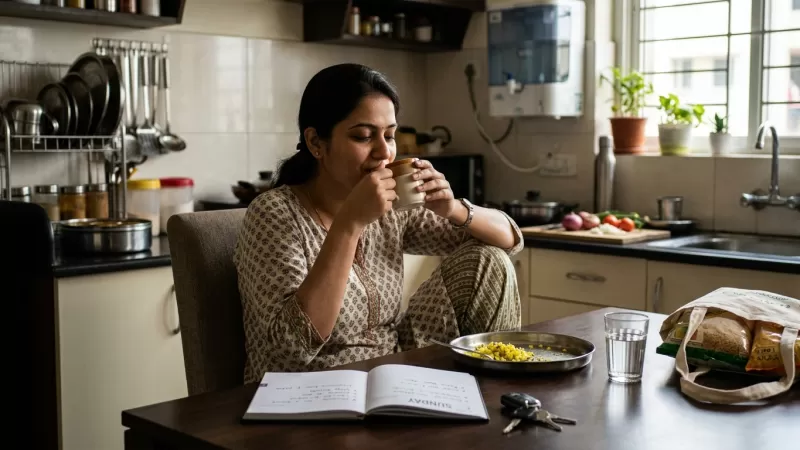
When responsibilities overlap constantly, “me time” sounds like a luxury. But it doesn’t always mean an hour-long break or a solo outing. Sometimes, it’s just two quiet minutes with your morning tea, or a short walk in the building compound after dinner.
Many people find peace in daily rituals—watering plants, listening to old songs, or just sitting by the window for a while. The important thing is not the activity, but the pause it gives your mind.
If you live with family, let them know you need these moments, even if they’re short. Over time, they might start respecting this space, and perhaps even join you.
Adjusting Expectations (Gently) with Changing Seasons
Life changes with seasons—literally and otherwise. During summer, routines shift with children’s holidays and the need to stay cool. Festivals like Diwali or Holi bring extra chores, but also a sense of togetherness. During monsoon, running errands or drying clothes gets harder, and everyone feels a little more cramped indoors.
It’s okay to adjust your expectations based on the season or situation. Some weeks will be messier, some will flow smoothly. If you’re working late for a few days, maybe household chores can wait. If family visits during festivals, allow for more noise and chaos.
Balance isn’t about doing everything all the time. It’s about shifting focus, one day at a time, as life changes around you.
In the end, everyone’s way of handling overlapping responsibilities is a little different. What matters most is finding small pockets of calm, accepting that some chaos is normal, and remembering that you’re doing the best you can—often more than you realise.