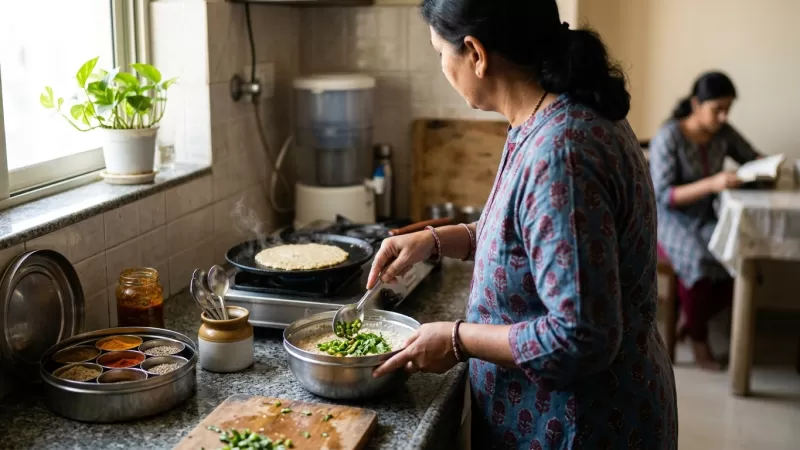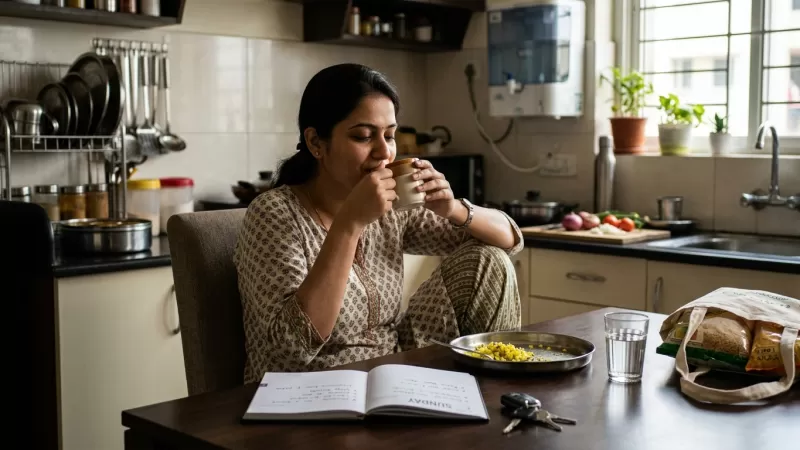
In many Indian homes, the day rarely feels still. The morning rush begins before the sun is properly up—pressure cookers whistling, children getting ready, phones pinging. Then come the demands of work, lunch preparations, errands, and caring for elders or young ones. Evenings are hardly quieter, with homework, online meetings, and, for some, late-night dinner routines. It’s no wonder that you might find yourself wondering: in all this busyness, how does one keep a sense of balance and calm at home?
What “Balance” Means in a Busy Home
Balance isn’t about everything being peaceful or perfectly controlled. In most Indian households, the background is always lively—TVs in the living room, the doorbell now and then, someone asking where the tea strainer is. Real balance, in these settings, means finding small ways to stay steady, even as life swirls around you.
It’s not about making the house silent or routines rigid. Instead, it’s about learning to pause, adjust, and accept that calmness might come in brief, gentle moments rather than long hours of stillness.
That said, these moments aren’t always easy to notice. Sometimes you only realize you had one when it’s gone—a quiet cup of chai before the next round of activity.
Small Rituals to Anchor Your Day
Rituals don’t have to be grand or time-consuming. In fact, the most lasting ones are often simple and repeatable, fitting into your existing routine without much effort. Many families have their own ways—lighting a diya at dusk, sharing a quick snack together, or sitting for five minutes after lunch before cleaning up.
- Morning cues: Even if mornings are packed, a small prayer, a stretch, or just opening a window for fresh air can help you start with intention.
- Meal pauses: Sitting down (even briefly) for lunch, rather than eating while standing or scrolling, can feel grounding.
- Evening signals: Changing into comfortable clothes, playing soft music, or just washing your face after work can mark the transition to home time, even if you’re working from home.
These rituals don’t remove the day’s busyness, but they remind you to breathe, to notice, to reset.
Making Space: Even in a Crowded Home
Many Indian families live in smaller flats or shared spaces, where privacy can feel like a luxury. But even in such homes, it’s possible (though not always easy) to carve out small personal corners or moments.
You might not have a separate room, but a chair by the balcony, the kitchen stool, or even a step near the main door can be your pause spot. Some people find their quiet during early mornings or after everyone has gone to bed. Others use small tasks like watering plants or folding clothes as their chance to slow down.
The trick is not to wait for perfect conditions. Instead, notice the five-minute gaps and allow yourself to treat them as real breaks, not just leftover time.
Gentle Movement Without Disrupting the Flow
Exercise doesn’t always mean a fixed gym routine or a long walk outside—though those are wonderful if you can manage them. In a home where activity is non-stop, movement can be woven into daily life.
- Stretch your arms and legs while waiting for the cooker.
- Take a few deep breaths while filling water bottles or stirring dal.
- Walk around the house during a phone call, if you’re able.
Older adults or those with joint pain might find simple hand movements or gentle neck stretches helpful. The idea isn’t to add pressure or another to-do, but to notice how moving—even a little—can refresh your mind.
Truthfully, this kind of small movement often gets overlooked in the rush of chores, but you might be surprised at how much it helps, especially on days when you feel tense or restless.
Managing Noise and Distraction
Constant activity usually brings noise—TVs, pressure cookers, traffic sounds, people talking. It’s rarely possible to make a busy Indian home silent. But you can still find ways to soften the noise or create little bubbles of quiet.
- Use headphones for calming music or audio when you need focus.
- Let family know if you need ten minutes of quiet for a phone call or rest (sometimes a simple request works better than we expect).
- Try closing doors or windows briefly during peak noise times, if possible.
Many people find that accepting a certain level of background sound actually helps—after all, some noise means life is happening. The challenge is finding a few moments when your mind can settle, even if the world around you doesn’t pause.
Meals as Steadying Moments
Food is central in Indian homes, not just for nutrition but as a rhythm for the day. Even in the busiest families, meals often bring everyone together—though sometimes just for a few minutes between other responsibilities. These shared meals can be an anchor, especially when the rest of life feels scattered.
Eating together doesn’t have to mean elaborate spreads. A simple dal-chawal or roti-sabzi meal, eaten at the table or even sitting on the floor, can give everyone a chance to reconnect. On some days, it might just be chai and biscuits.
What matters is the pause, the laughter, the shared silence, or the comfort of familiar food. Try to notice these moments when they happen. They’re easy to miss in the hurry, but they do a lot to restore balance.
Letting Go of Perfection
Here’s the catch: in homes full of activity, something is almost always out of place—shoes in the hallway, homework on the dining table, dishes waiting to be washed. The pressure to keep everything perfect can add hidden stress, especially for homemakers or those working from home.
It’s normal to want order, but sometimes a little mess is simply a sign of life being lived. Many families quietly deal with this every day. You might find that accepting small imperfections—an unmade bed, a delayed task—lets you feel lighter.
Balance is easier when you’re kinder to yourself. Most things can wait a little, especially if it means you get a few minutes to rest or laugh with someone.
Rest and Recharge—Even Briefly
With so much happening, true rest can feel like a luxury. But you don’t always need a long afternoon nap to recharge. Sometimes, just sitting quietly with your eyes closed for five minutes, or listening to your favourite music while folding clothes, can do wonders.
Try not to feel guilty about these small breaks. They aren’t a waste—they’re maintenance, like charging a phone. Your energy matters, not just for yourself but for everyone who depends on you.
So, even in a home that never slows down, balance is possible—not as a big achievement, but in small, caring choices you make through the day. It’s a practice, not a perfect outcome.