Most of us in Indian cities know the feeling: the clock ticks past eight, you’re already in the middle of traffic, and your mind is quietly counting the things you wanted to do today—help the kids, call your parents, maybe even just sit with a cup of tea. But every day, it seems like more of your free time just disappears between home and work. If you’re feeling tired, a bit stuck, and unsure how to reclaim those lost hours, you’re not alone. Many families quietly deal with this, especially in places like Bengaluru, Mumbai, or Delhi, where commutes can swallow up three or four hours without warning. That said, it’s still possible to find small, meaningful moments for yourself, even with a long daily travel routine.
Understanding What Commute Really Steals
It’s not just about the hours lost in the car, bus, or metro. It’s the mental energy—those bits of yourself that get drained by traffic jams, noise, and constant alertness. By the time you reach home, even the smallest tasks can feel like a mountain. If you’ve ever felt oddly exhausted after a day with very little physical activity, this is probably why.
Some people try to multitask—talking on the phone, scrolling through social media, or finishing up work emails while in transit. This can help a little, but often, it just adds to the feeling of always being “on.” Many have noticed that the real loss is not just time, but the peaceful, unhurried moments that are so rare these days.
Admitting this is the first step. It’s okay to feel frustrated; there’s nothing unusual about it. The next step is gently looking for small, realistic ways to create space for yourself, even while you’re still in the middle of a long commute.
Making Micro-Routines Your Ally
The big secret, if there is one, is that tiny, regular routines often work better than trying to overhaul your entire day. These don’t have to be complicated. Think of little moments that fit smoothly into what you’re already doing—nothing fancy, but meaningful in their own way.
- Five-minute breathing breaks: Instead of scrolling endlessly or fuming at the traffic, close your eyes for a minute or two and focus on slow breathing. A few deep breaths can genuinely help, particularly before a hectic evening at home.
- Audio comforts: Podcasts, devotional music, or even light comedy can gently break the monotony. Many find that listening to familiar voices or gentle tunes gives a sense of calm and normalcy.
- Simple gratitude rituals: Some quietly spend a minute each day thinking of three things that went okay—even if it’s just a hot cup of chai or a seat on the bus. It doesn’t solve traffic, but it can soften the frustration.
The trick is to choose something that feels natural to you. If you try to force a habit because it sounds clever but it doesn’t fit, it’ll probably disappear in a week.
Protecting Pockets of Free Time at Home
It’s easy to let chores and screens take over as soon as you get home. In many Indian homes, the evening quickly fills up with cooking, helping children study, or just catching up on WhatsApp. Still, there are ways to quietly guard a little time for yourself, even if it’s just ten minutes.
Here are a few ideas that tend to work in busy homes:
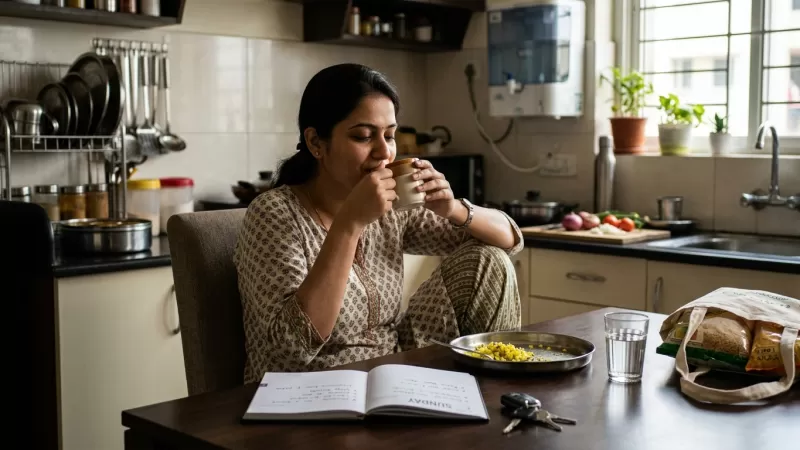
- Pre-decide a small, untouchable "me-time" slot: It could be right after you step inside, or just before dinner. Let your family know gently that this is your pause—even if it’s only for a cup of tea in silence.
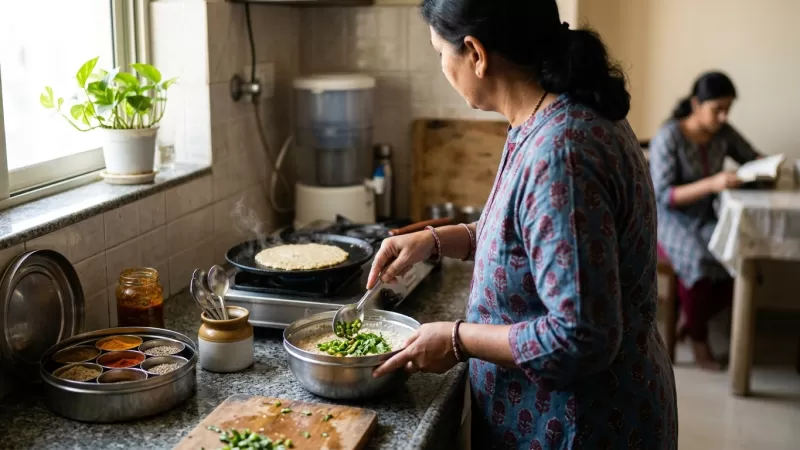
- Batch household chores: Combining similar tasks (like chopping all veggies for the week at once) can free up surprising chunks of time later. Many homemakers now do this on Sundays.
- Switch off digital noise: Even 15 minutes without phones or TV in the evening can make the house feel calmer, especially after a noisy commute.
These aren’t always easy, especially with small children or elders at home. But it’s okay to try, adjust, and try again. No routine is perfect.
Smart Pacing, Not Rushing
One thing that rarely works: trying to cram everything into your evenings just because you feel guilty about lost time. The result is usually more exhaustion and less satisfaction. Instead, think of your energy as something to be managed gently, not pushed to its limit.
Try to spread out demanding activities through the week, instead of piling them on one day. For example, if you want to exercise, perhaps a short walk after dinner on Monday and Wednesday is better than aiming for an hour every single day (and then skipping it entirely).
Some families now use simple wall calendars or planners to mark out what needs real attention each day, so they don’t feel overwhelmed. The key is to pace yourself with kindness, not judgment.
Reclaiming Rest During Travel
It sounds odd, but some people manage to rest, even in the middle of chaos. If you’re taking a cab or train and don’t have to drive, there are gentle ways to use that time for light rest.
- Mental breaks: Looking out of the window, watching the world go by, and allowing your mind to wander can be surprisingly restful. Not every moment needs to be productive.
- Loosen your schedule: If possible, avoid booking back-to-back calls or urgent tasks right after your commute. This buffer reduces feeling rushed the moment you step indoors.
- Body comfort: Carrying a soft scarf or neck pillow, especially in winter months, can make bus or train naps more comfortable without feeling self-conscious.
The tricky part is accepting that some days will just be tiring, no matter what you do. That’s okay too. Not every day has to be perfectly balanced.
Using Technology Thoughtfully
Phones and apps can either help or hinder you, depending on how you use them. On the one hand, it’s tempting to fill every free minute with scrolling or chatting. On the other, there are now tools that can make commutes less stressful if used wisely.
- Reminders and gentle nudges: Set alarms for small check-ins—like drinking water or standing up to stretch if you’re in a long car ride.
- Digital boundaries: Use “Do Not Disturb” features for at least part of your commute, especially if you need quiet to recharge.
- Offline downloads: Downloading music, shows, or audiobooks beforehand avoids network frustration and gives you something to look forward to, especially on patchy routes.
That said, it’s easy to get lost in screens. A little intentionality makes a difference.
The Power of Gentle Saying No
It’s hard in our culture to say no—even when you’re stretched thin. Relatives, colleagues, neighbors, and even your own expectations often push you to fill every minute. But learning to gently refuse, or at least delay, non-essential tasks is one of the kindest things you can do for yourself.
This might mean:
- Politely declining a last-minute work call during your commute.
- Letting family know you’ll handle certain chores later, not immediately after reaching home.
- Not attending every social function, especially after a long travel day. It’s okay to rest instead.
It takes practice, and you might feel guilty at first. But over time, even small boundaries can help you protect your health and mood.
When to Reconsider Your Commute Entirely
There’s a point when no amount of clever routine or pacing will fix the problem, especially if you’re routinely losing four or more hours to travel. Some families quietly start rethinking priorities—maybe shifting to partial work-from-home, or even considering a job closer to home (even if it pays a little less).
This isn’t always possible, especially with school admissions, elderly care, or other family needs. But if you’re finding your health or relationships suffering, it’s worth at least talking about it with your family. Sometimes, even a small shift—like adjusting work hours to avoid peak traffic—can make a real difference.
Only you know what’s truly possible in your situation. But it’s okay to question whether the sacrifice is truly worth it, year after year.
Small Wins Matter
Even in the busiest phases—when you feel like you’re always on the run—tiny changes can give you back a bit of freedom. Maybe it’s a five-minute tea break, a quiet walk after dinner, or just a less rushed morning routine with your family. These may not sound dramatic, but over time, they add up.
Life in Indian cities can be demanding, and the commute problem isn’t going away anytime soon. But you can still find your own pockets of rest and balance, in ways that suit your real life. Even one small win today is worth celebrating.