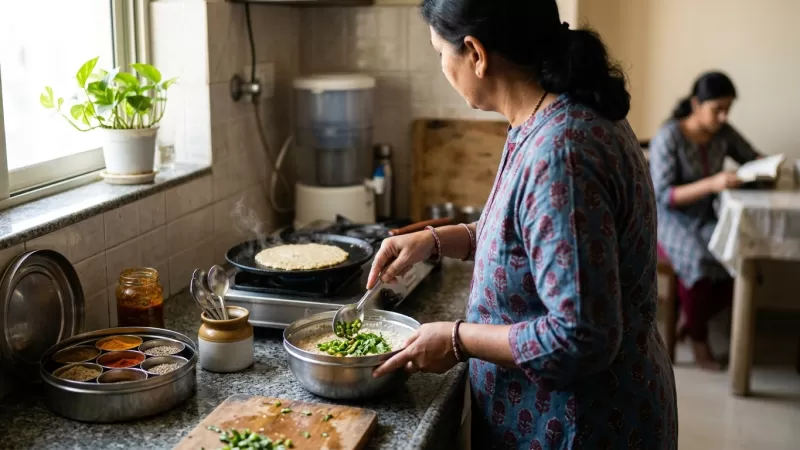
There are days when the list of household chores just never seems to end. From early morning chai to late-night kitchen clean-up, Indian homes often run on invisible wheels of effort, mostly by hands that hardly get a break. If you're feeling like you're always one step behind—laundry piling up, meals to cook, groceries forgotten, someone calling for help every few minutes—know that you're not alone. Many families quietly deal with this daily juggle, especially in homes where both partners work or there's no full-time help.
Why Chores Feel Never-Ending in Indian Homes
Indian households, big or small, have their unique rhythm. There's always something to do—dusting, washing, cooking, serving, folding, or even running after a toddler with a plate of food. Unlike in some countries, household help isn't always reliable, and the expectations for a tidy home tend to be high. Add in festivals, guests, and special occasions, and the to-do list can spiral.
It's also common for chores to be unevenly distributed, especially among women and older family members. Social habits and family routines can make it hard to ask for help or set boundaries. Sometimes, it just feels easier to do everything yourself, even if it's exhausting. But here's the catch—trying to do it all, all the time, isn't sustainable. Even the most energetic people feel worn out.
Recognizing why things get overwhelming is the first, gentle step toward easing the load. There's no shame in feeling tired or wishing things were simpler.
Rethinking "Productive"—Why Slowing Down Actually Helps
It's tempting to think that the faster you move, the sooner you'll be done. But in practice, rushing from one task to another often means you end up frazzled, forgetful, and—ironically—less productive. Household chores, especially repetitive ones like cooking and cleaning, aren't races to be won.
In many Indian homes, the pressure to keep things perfectly tidy or serve fresh meals for every meal can lead to burnout. But what if you gently let go of perfection? A little dust on a shelf or reheated dal for lunch isn't the end of the world. Sometimes, "good enough" really is good enough.
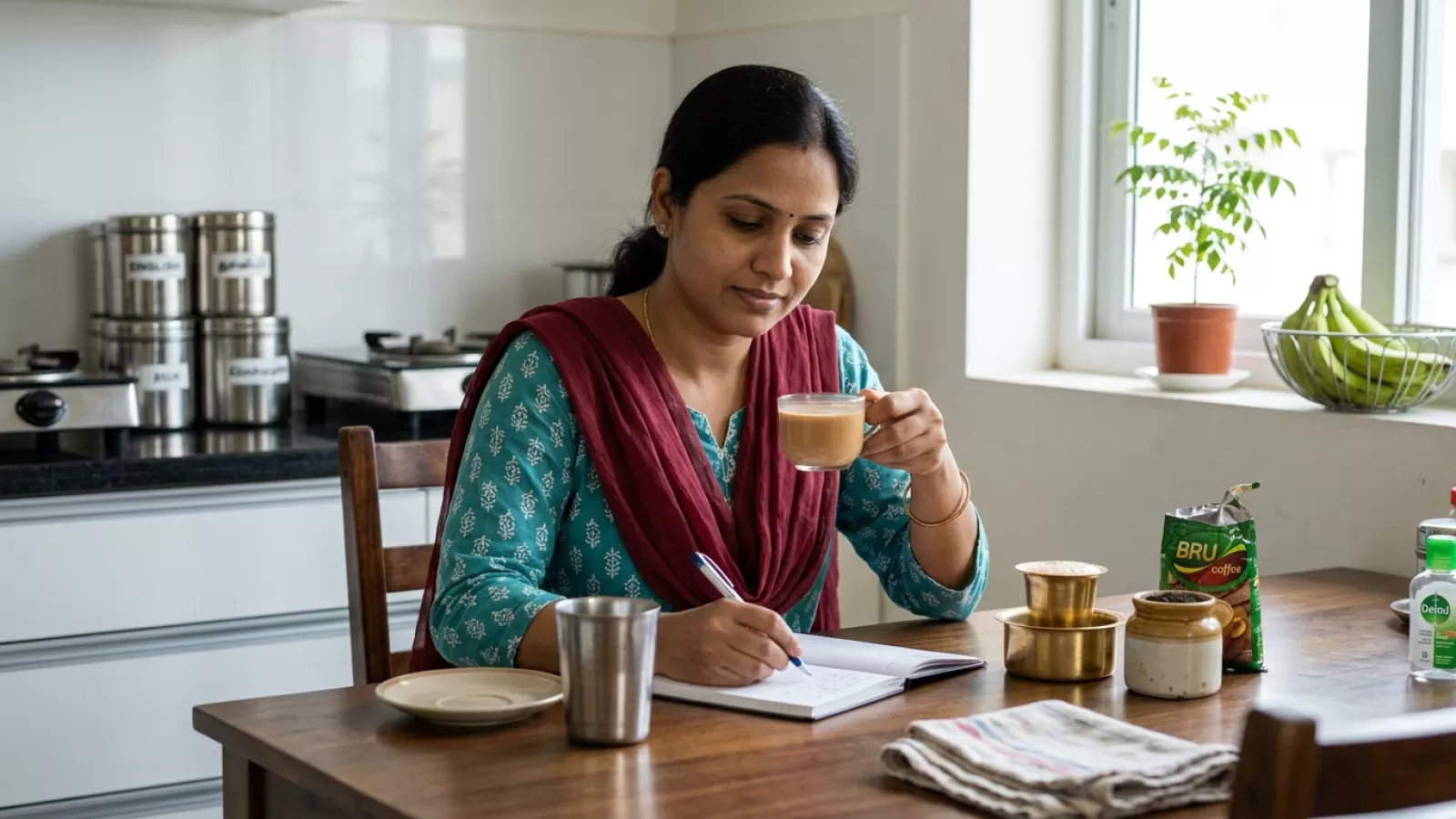
Slowing your pace, even slightly, lets you notice small joys—a quiet cup of tea, a chat with your spouse, a moment with your children. These pauses help you recover, so chores feel less like a burden and more like part of daily life.
Practical Ways to Pace Yourself Each Day
The tricky part is finding small, realistic changes that work in your home. Every family has its own way, but a few simple adjustments can make a big difference:
- Break big tasks into smaller steps: Instead of cleaning the whole house in one go, tackle one room or even one corner at a time.
- Alternate between physical and lighter tasks: After folding laundry, maybe sit and plan the next day's meals instead of immediately sweeping floors.
- Use natural breaks: While waiting for the cooker to whistle, take a few minutes to stretch or simply sit quietly.
- Limit multitasking: It might seem efficient, but doing too many things at once often leaves you feeling scattered and unsatisfied.
These days, with so much happening at once, taking even a short pause between chores is often the difference between feeling drained and feeling steady.
Setting Realistic Expectations (With Yourself and Others)
Many people feel guilty for not doing enough, especially when elders or neighbors seem to manage everything smoothly. But here's something worth considering—what you see on the surface often hides real struggle underneath. Comparing your pace or results to others rarely helps.
If you live with family, try having gentle conversations about what is truly needed every day versus what can wait. Not every dinner needs to be a feast. Not every shirt needs to be ironed immediately. Children, too, can learn to help in small ways, even if it's just putting away their own toys.
It's perfectly fine to ask for help, or to say, "I'm tired today; let's just have simple khichdi." The world doesn't end if the house isn't spotless for a day. Setting kinder expectations is a quiet way to protect your own well-being and teach others to value it too.
Building Small, Steady Routines
You've probably noticed that routines make things smoother. When everyone knows what's expected—who sets the table, who waters the plants, who packs the tiffin—there's less confusion and less last-minute stress. Routines don't have to be rigid, but they act like a gentle backbone for the day.
Some families find it helpful to assign certain chores to certain days. For example, mopping on Tuesdays and Fridays, or deep-cleaning the fridge on the first Sunday of the month. This way, you don't carry the mental burden of "everything, all at once."
Even in homes with changing schedules—like young professionals working late or children with online classes—a loose structure helps. Try to anchor one or two small tasks to something regular, like sweeping after breakfast or folding clothes while watching TV in the evening.
Honoring Rest—It's Not Laziness
Rest often feels like a luxury in busy Indian homes. There's always a sense that you should be doing something. But rest is not just "not working"—it's actively giving your mind and body time to recover. Without it, fatigue builds up quietly, making even small chores feel impossible.
Rest doesn't always mean sleeping; it could be sitting quietly with your feet up, listening to music, reading, or just gazing out at the rain. On especially hot summer days or after a long festival week, let yourself slow down without guilt. You'll notice that your energy for chores returns more naturally after true rest.
It's okay to leave some things undone for a while. The world keeps turning.
Adapting to Life's Changing Seasons
Life in India is full of seasons—literally and figuratively. During school holidays, festivals, or times of illness, the usual flow of chores gets thrown off. It's normal to feel like you're scrambling to catch up. What works in December might not work during summer holidays or wedding season.
In these times, it's helpful to lower your expectations and adapt your routines. Maybe you rely more on batch cooking, use ready-made atta, or accept a little extra clutter. If you have guests, ask them to participate rather than taking on everything yourself.
Flexibility is a quiet strength. Adapting to the season—whether it's monsoon, exam time, or a family emergency—shows care for yourself as much as your home.
Letting Go of the Guilt
Guilt is a stubborn companion for many homemakers and working professionals. When chores pile up or things aren't perfect, it's easy to feel like you're failing. But the truth is, nobody handles everything flawlessly. Not the neighbor whose home always smells of incense, not the friend who posts perfect lunchbox photos, not even your own elders when you look closely.
Letting go of guilt starts with accepting that some days will be messier than others. Some weeks, you'll be on top of things; others, you'll be behind. That's normal, not a sign of laziness or lack of care. Try to speak to yourself as gently as you would to a close friend.
Finding small ways to appreciate your own efforts—maybe with a favorite cup of chai or five quiet minutes with a book—goes a long way towards balancing your inner calm, even when the house is a bit chaotic.
Small Adjustments, Lasting Ease
In the end, managing household duties isn't about getting everything right or keeping up with anyone else. It's about making small, thoughtful changes so you can move through your day with a lighter heart. Whether it's pacing yourself, accepting help, or letting go of guilt, each adjustment adds a bit of ease to your routine.
Remember, your home is for living, not just working. The chores will always be there, but so will the quiet joys—if you let yourself notice them.